What to Expect on a Cross-Country Safari: Rwanda and Uganda
A cross-country safari through Rwanda and Uganda gives you the opportunity to experience two neighboring East African countries in one journey. Instead of spending your entire holiday in one destination, you can combine Rwanda’s clean cities, volcanic landscapes and mountain gorillas with Uganda’s larger national parks, wildlife, forests and diverse cultural experiences.
However, a Rwanda and Uganda safari is different from a normal single-country safari. You will cross an international border, change landscapes, spend some days driving longer distances and may use different park systems, accommodation styles and activity arrangements.
Understanding what to expect on a cross-country safari before you travel helps you prepare properly and enjoy the journey without unnecessary surprises.
What Is a Cross-Country Safari?
A cross-country safari is a journey that takes you through two or more countries during the same trip.
For a Rwanda and Uganda safari, a typical itinerary might begin in Kigali and continue through Rwanda before crossing into Uganda. Another option is to start in Uganda, visit Bwindi Impenetrable National Park for gorilla trekking, and then cross into Rwanda for Volcanoes National Park, Lake Kivu or Kigali.
The exact route depends on your interests, available time and the activities you want to include.
For example, a traveler might choose:
Kigali → Akagera National Park → Volcanoes National Park → Uganda border → Bwindi Impenetrable National Park → Queen Elizabeth National Park → Kibale Forest → Entebbe
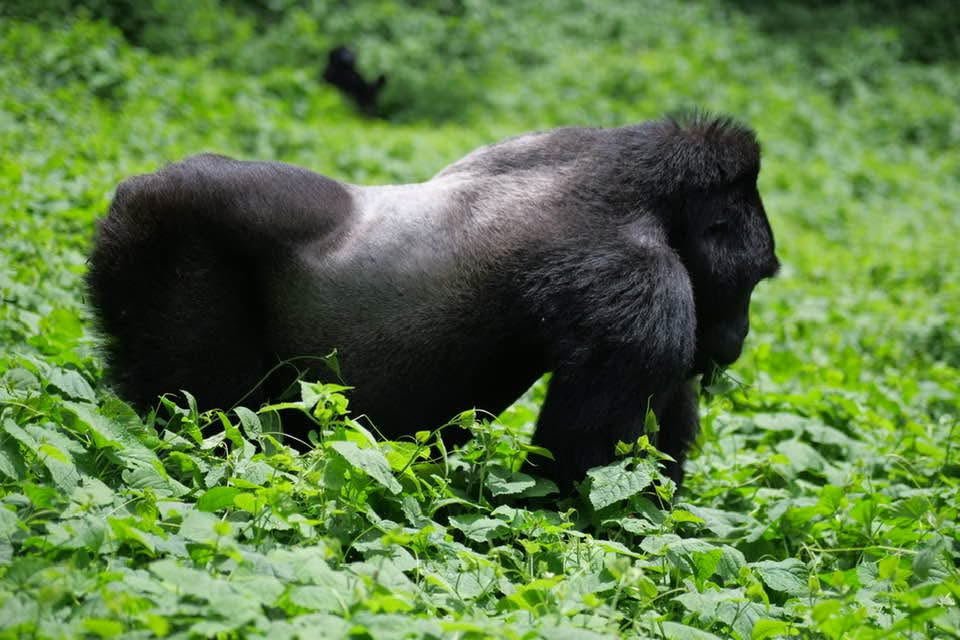
Another itinerary could start in Kigali, cross into Uganda specifically for gorilla trekking in Bwindi, and then return to Rwanda.
This flexibility is one of the biggest advantages of a cross-country safari.
Expect a Mix of Different Landscapes
One of the first things you notice on a Rwanda and Uganda safari is how quickly the scenery changes.
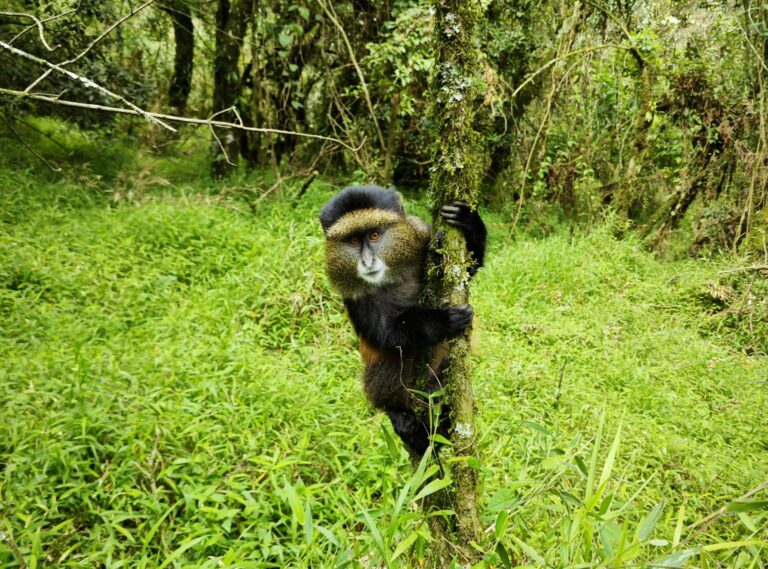
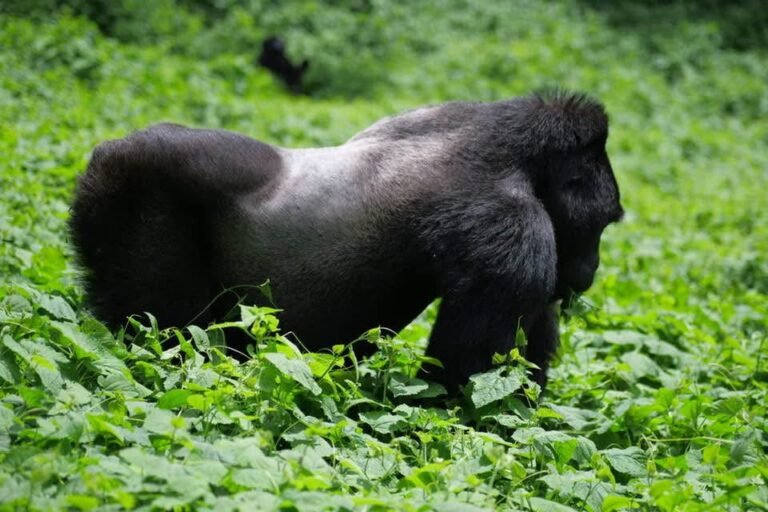
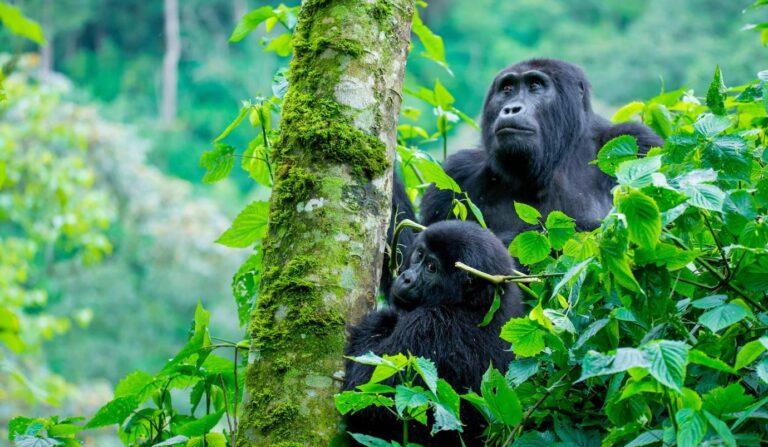
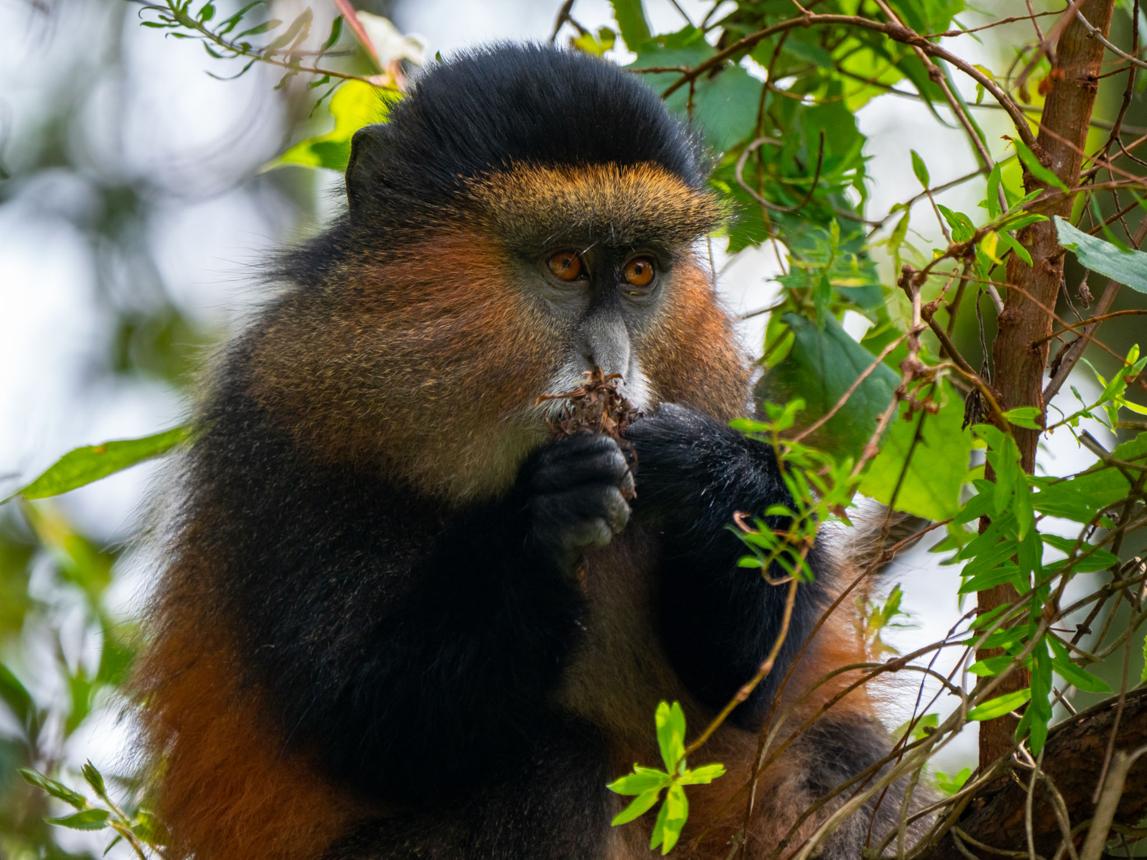
Rwanda is often associated with rolling hills, cultivated countryside, volcanic mountains and well-organized urban areas. In the northwest, Volcanoes National Park protects part of the Virunga mountain range, home to mountain gorillas and golden monkeys.
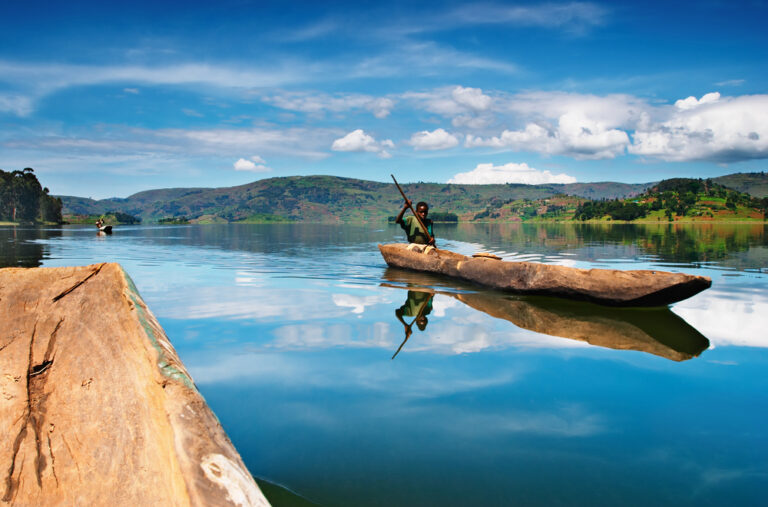
Uganda offers a broader range of landscapes, from tropical forests and savannah plains to crater lakes, wetlands and mountain ecosystems.
A single journey can therefore take you from Kigali’s urban environment to volcanic highlands, dense rainforest and open savannah.
This means you should expect the safari to feel like several different experiences rather than one continuous type of holiday.
Expect to Cross an International Border
Crossing from Rwanda into Uganda is an important part of the experience.
Rwanda officially lists several border posts between Rwanda and Uganda, including Gatuna, Cyanika, Kagitumba, Rwempasha, Buhita and Buziba. The border used by your safari depends on your itinerary and the parks you are visiting.
At the border, you should expect immigration procedures before continuing into the next country.
Your passport and travel documents need to be valid, and visa requirements depend on your nationality and the countries included in your itinerary.
For travelers visiting Rwanda, Kenya and Uganda, Rwanda’s immigration authorities state that the East Africa Tourist Visa is available for tourism across the three countries. It costs US$100, is valid for 90 days and allows multiple entry within the participating countries.
However, visa requirements can depend on your nationality and circumstances, so check the applicable immigration requirements before departure.
Expect Some Driving Days
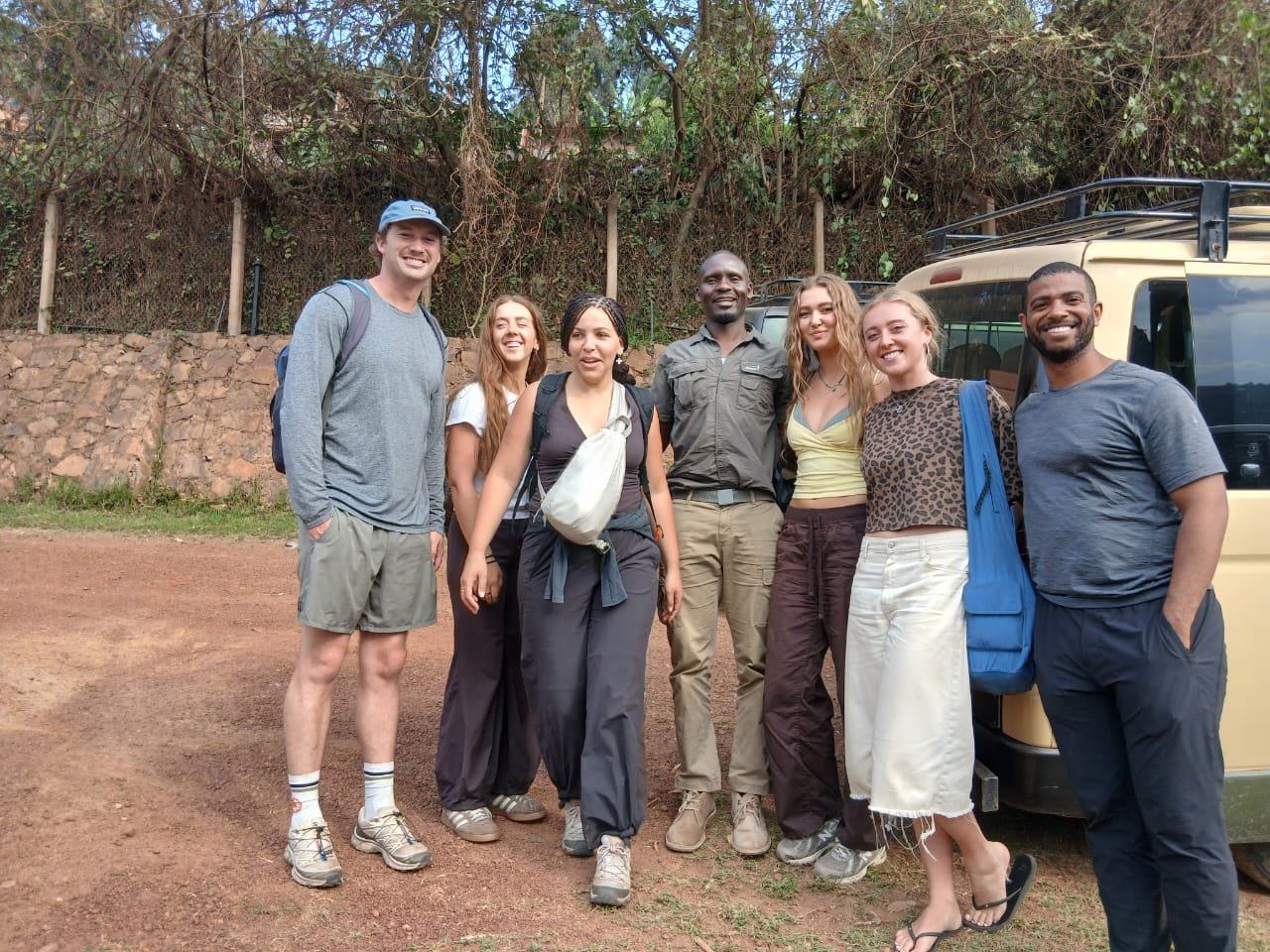
One of the biggest differences between a cross-country safari and a short city break is the amount of time spent on the road.
The countries may look close together on a map, but national parks are not always directly next to the border.
For example, a journey from Kigali to Bwindi involves crossing into Uganda and continuing toward the appropriate Bwindi sector. A safari combining Bwindi with Queen Elizabeth National Park or Kibale Forest can involve additional driving between parks.
This is not necessarily wasted time.
The road journey is part of the safari experience. You pass through villages, farmland, hills, trading centers and countryside that you would never see from an airport.
Visit Rwanda itself features multi-day itineraries that combine Kigali, Akagera and Volcanoes National Park, showing how driving between destinations forms an important part of a regional safari.
Expect Different Safari Experiences in Rwanda and Uganda
A major reason travelers choose a cross-country safari is that Rwanda and Uganda can complement each other.
Rwanda
Rwanda is particularly well known for:
- Mountain gorilla trekking
- Golden monkey trekking
- Volcanoes National Park
- Akagera National Park
- Nyungwe National Park
- Kigali city experiences
- Lake Kivu
- Cultural experiences
Volcanoes National Park protects the Rwandan section of the Virunga Massif and offers gorilla tracking, golden monkey experiences, hiking and other outdoor activities.
Uganda
Uganda offers a wider variety of safari environments, including:
- Bwindi Impenetrable National Park
- Mgahinga Gorilla National Park
- Queen Elizabeth National Park
- Kibale National Park
- Murchison Falls National Park
- Lake Mburo National Park
- Kidepo Valley National Park
- Jinja and the Source of the Nile
- Cultural and community experiences
Uganda Wildlife Authority identifies Bwindi and Mgahinga as Uganda’s two gorilla trekking destinations. Bwindi is divided into the Buhoma, Ruhija, Rushaga and Nkuringo sectors.
That means your cross-country itinerary can combine experiences that feel quite different from one another.
Gorilla Trekking Requires Advance Planning
If gorilla trekking is part of your cross-country safari, this is one area where you should not leave arrangements until the last minute.
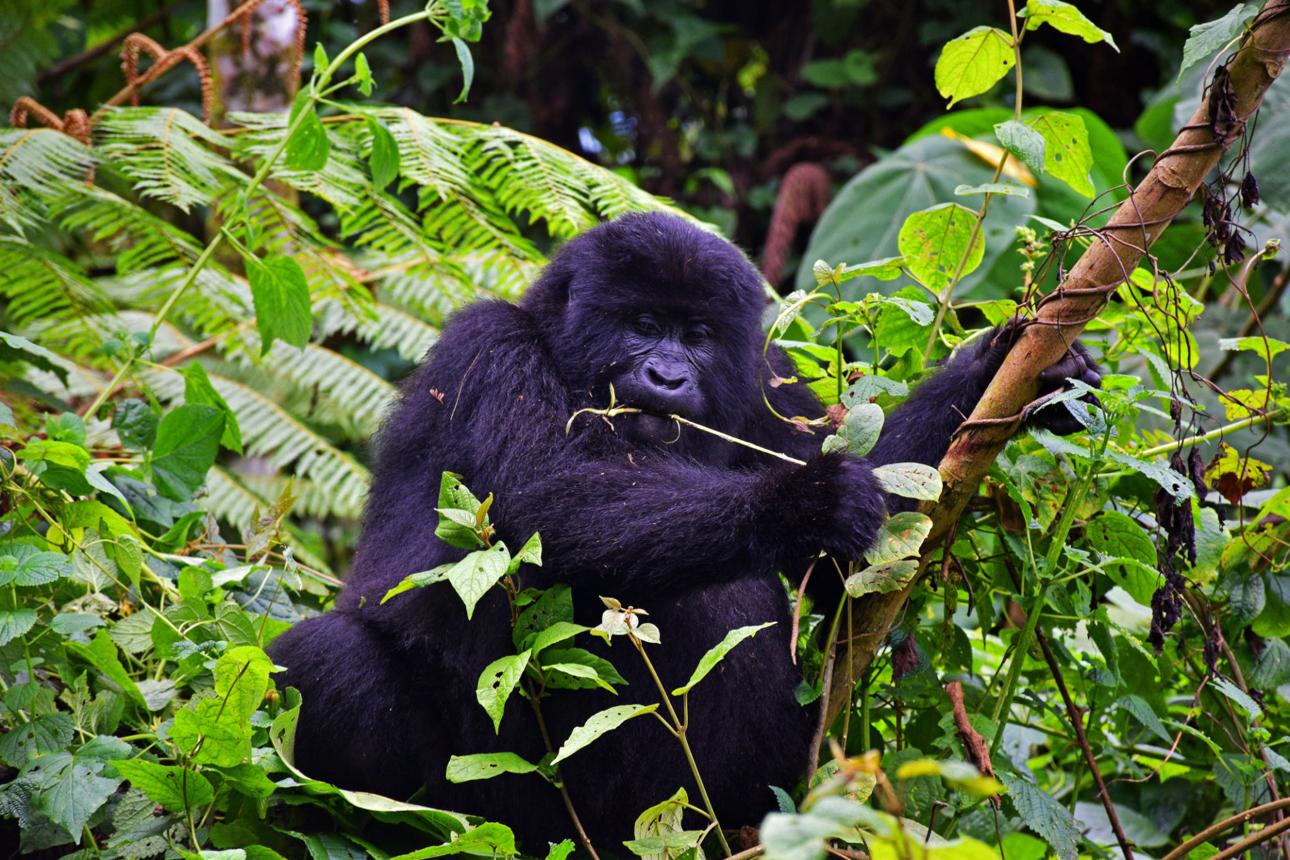
In Rwanda, gorilla tracking takes place in Volcanoes National Park. Visit Rwanda currently lists the international gorilla permit at US$1,500 per person per day, with a minimum age of 15 for gorilla trekking.
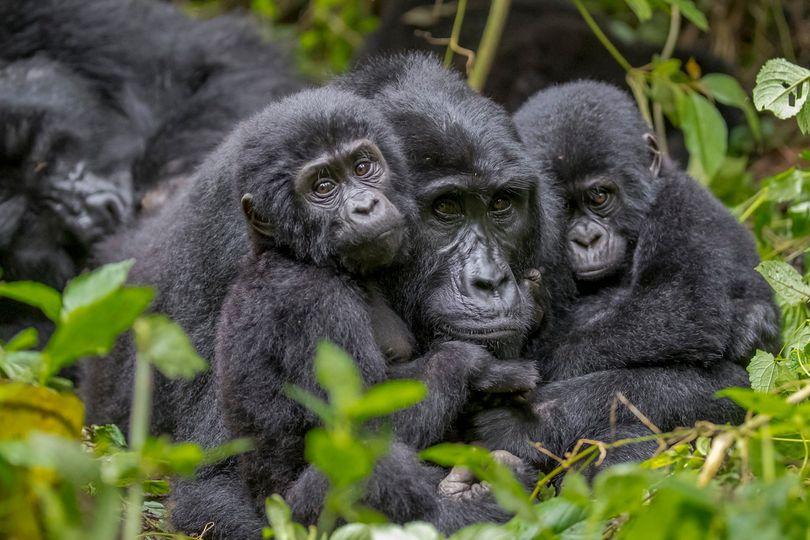
In Uganda, gorilla trekking takes place in Bwindi Impenetrable National Park and Mgahinga Gorilla National Park. UWA states that a normal trek can take approximately 2–7 hours, depending on the location of the gorilla family, with a maximum of one hour of viewing time with the gorillas.
This is why your tour operator needs to know which country and which park you want to trek in before building the itinerary.
A cross-country safari should be designed around the gorilla permit date rather than simply adding gorilla trekking at the end.
Expect Different Trekking Conditions
Rwanda and Uganda offer mountain gorilla experiences, but the trekking environment can feel different.
In Rwanda, Volcanoes National Park is characterized by volcanic mountains and montane forest.
In Uganda, Bwindi is famous for its dense, rugged forest. UWA notes that gorilla trekking can last from a few hours to several hours depending on where the gorilla family is located.
Therefore, don’t book a gorilla safari expecting a simple wildlife viewing experience.
You should be prepared for:
- Uneven forest trails
- Mud
- Rain
- Steep sections
- Thick vegetation
- Long walking periods
- Changing weather
Good hiking shoes, long trousers, gloves and waterproof clothing are useful for either destination.
Expect to Change Hotels
A cross-country safari normally involves several accommodation changes.
Instead of staying in one hotel for an entire vacation, you might sleep in Kigali one night, Volcanoes National Park the next, Bwindi after crossing into Uganda, Queen Elizabeth National Park afterward and Kibale later in the journey.
This gives you access to different environments but also means you need to pack practically.
A soft-sided safari bag is generally easier to manage than a large hard suitcase when moving between vehicles, lodges and border crossings.
Keep essential items such as your passport, medication, camera, phone charger and travel documents somewhere easily accessible.
Expect Early Mornings
Safari schedules often begin early.
Game drives are commonly planned around the periods when wildlife is most active. Gorilla trekking and other primate activities also require early preparation.
In Rwanda, visitors going gorilla trekking gather at the Volcanoes National Park headquarters in Kinigi for briefing before heading into the forest.
You should therefore expect some mornings to begin before sunrise.
A cross-country safari is not usually the type of holiday where you sleep until 10:00 every morning.
Instead, you may have an early breakfast, drive to a park, attend a briefing or begin a game drive while the countryside is still quiet.
Expect Wildlife in Different Habitats
Another advantage of combining Rwanda and Uganda is the variety of wildlife environments.
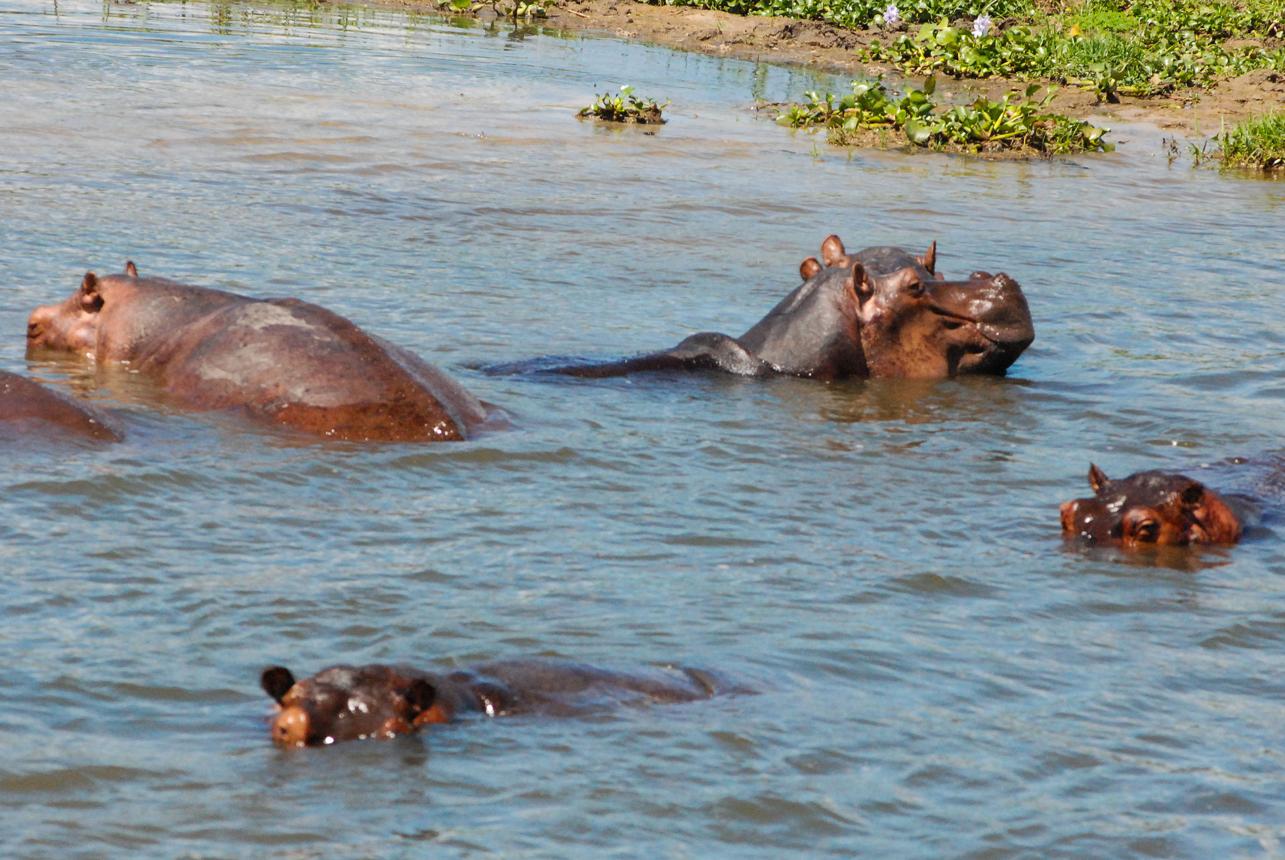
In Rwanda, Akagera National Park offers savannah, woodland, wetlands and lakes, creating a very different experience from the volcanic forests of the northwest. Visit Rwanda describes Akagera as a combination of open plains, woodlands, lakes, swamps and grassy low mountains.
In Uganda, you can combine forest experiences with traditional game drives.
For example, a longer itinerary might include:
Bwindi → Queen Elizabeth National Park → Kibale Forest
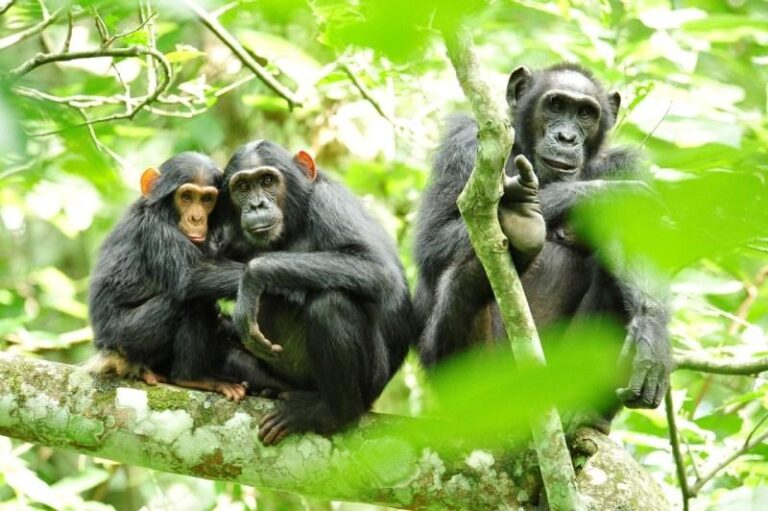
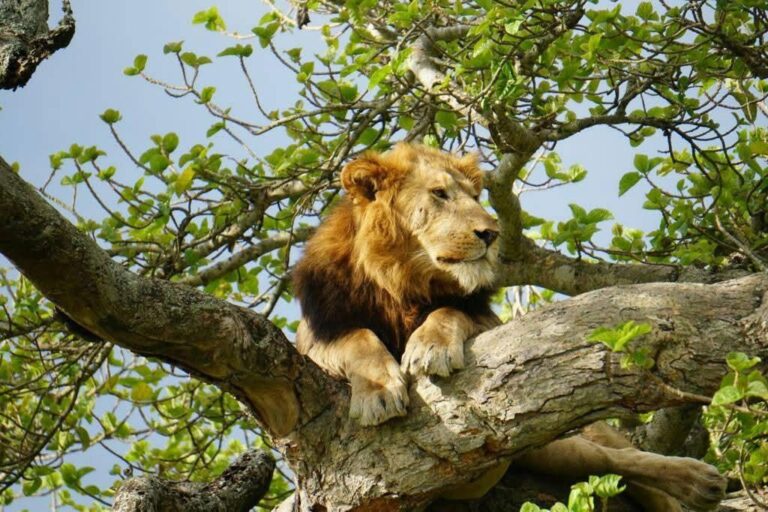
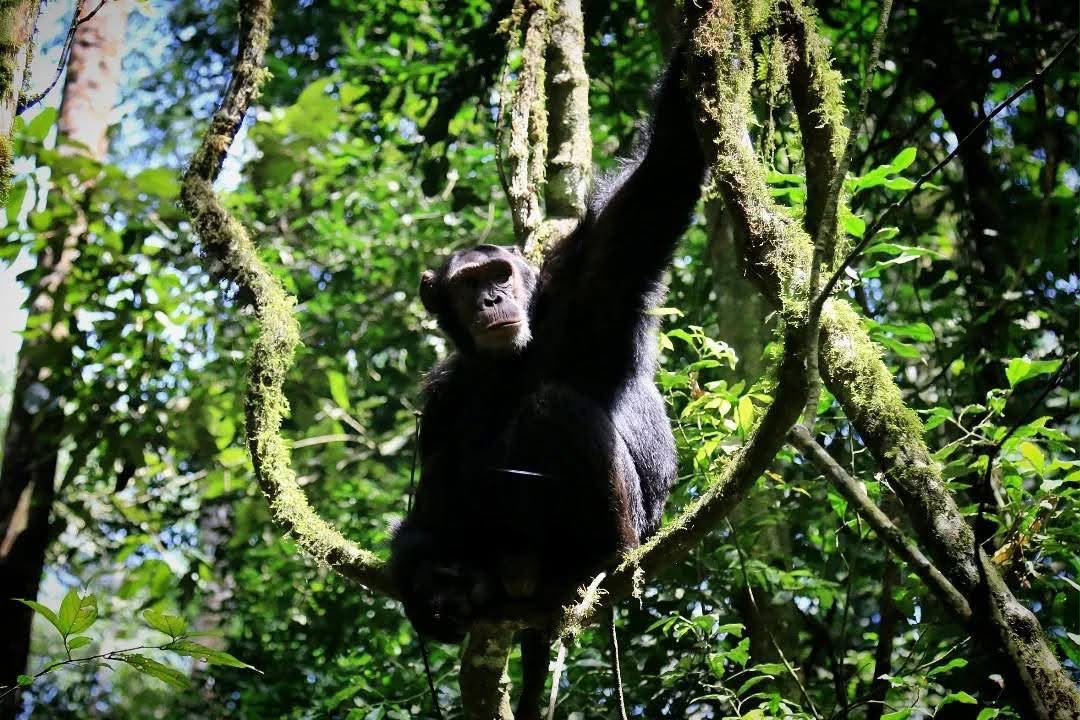
This allows you to move from mountain gorillas to savannah wildlife and then to chimpanzee tracking.
Expect Primates as Well as Big Game
Many travelers associate an African safari primarily with lions, elephants and buffaloes.
A Rwanda and Uganda cross-country safari can offer something different.
You can combine traditional wildlife viewing with primate experiences.
Depending on your itinerary, you could encounter:
- Mountain gorillas
- Chimpanzees
- Golden monkeys
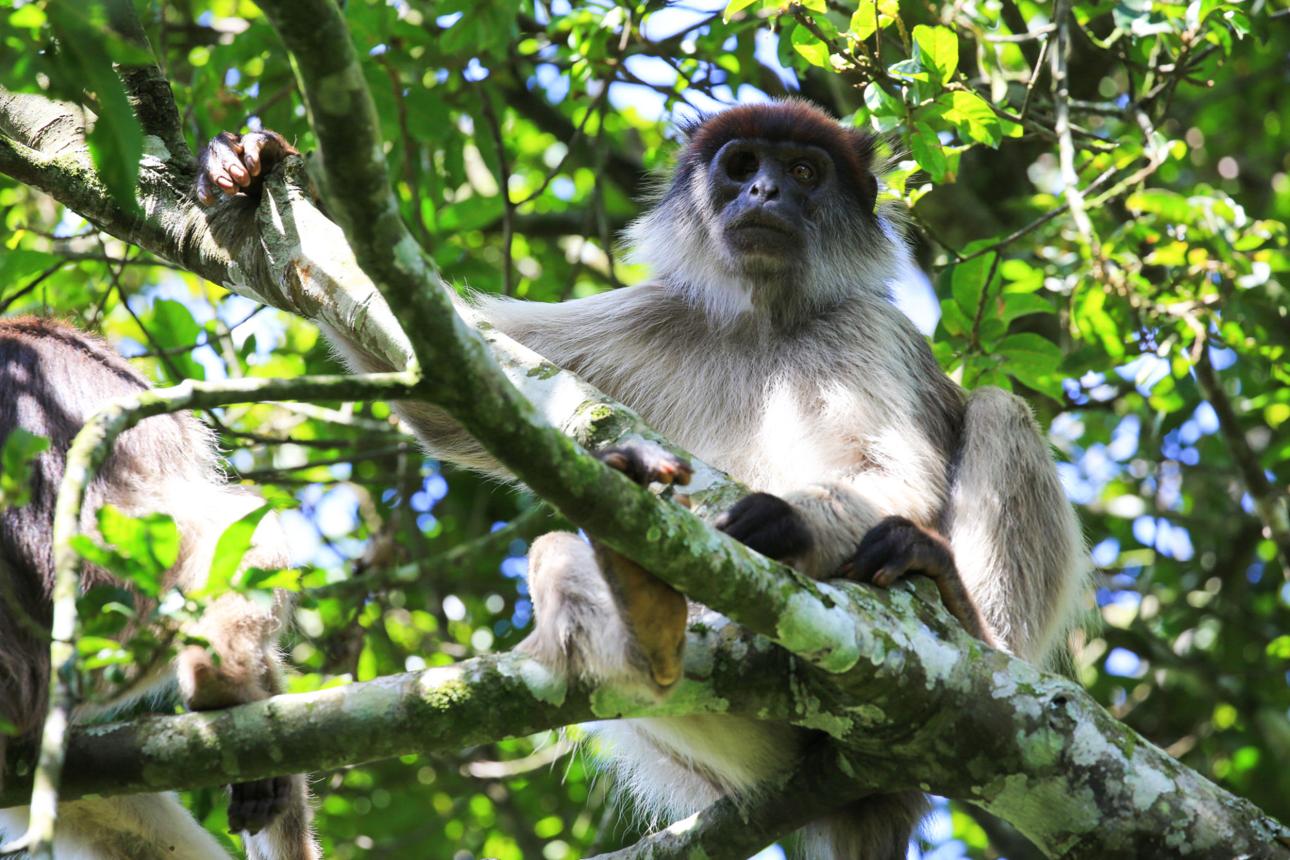
- Colobus monkeys
- Olive baboons
- Vervet monkeys
- Forest birds
Uganda’s UWA guidelines identify Kibale National Park and Kyambura in Queen Elizabeth Conservation Area among designated chimpanzee tracking locations.
This makes Rwanda and Uganda particularly interesting for travelers who want both wildlife and primates.
Expect to See Everyday Life Along the Road
Some of the most memorable moments on a cross-country safari happen outside the national parks.
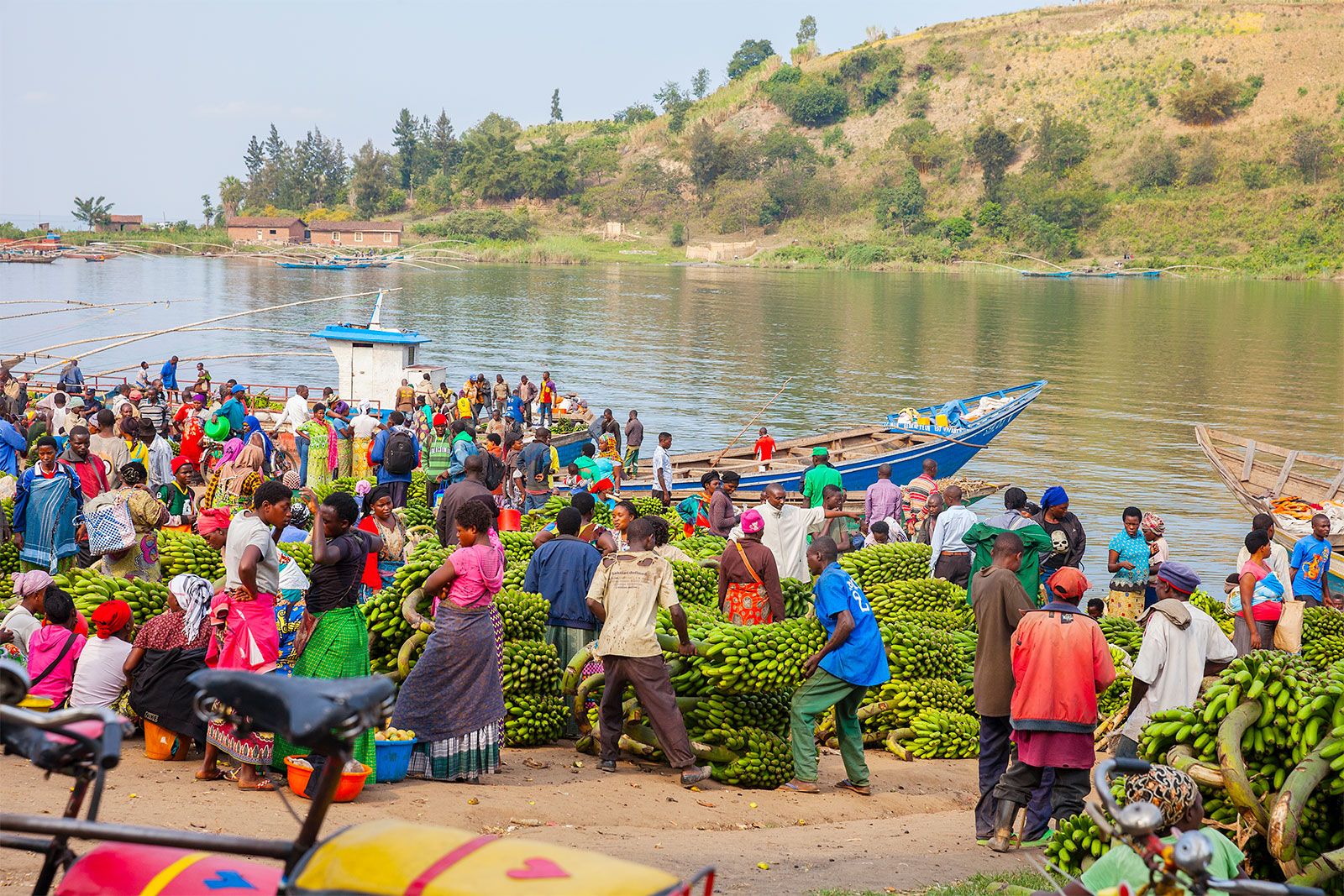
As you travel between Rwanda and Uganda, you pass through communities, agricultural areas, roadside markets and small towns.
You may see farmers working in fields, motorcycles transporting passengers, roadside fruit sellers and children walking home from school.
These scenes provide context for the safari.
The journey becomes more than moving from one tourist attraction to another. You begin to see how people live across the region.
Expect Some Differences Between Rwanda and Uganda
Although Rwanda and Uganda are neighboring countries, they are not identical.
You may notice differences in:
- Road conditions
- Towns and markets
- Currency
- Accommodation
- Local food
- Driving distances
- Park systems
- Border procedures
- Tourism infrastructure
A good safari operator should explain these differences before you travel rather than allowing them to become surprises during the trip.
What Currency Should You Carry?
Rwanda uses the Rwandan franc, while Uganda uses the Ugandan shilling.
US dollars are also widely used within the tourism industry, particularly for safari services, permits and some accommodation.
However, don’t assume that every small shop or roadside business will accept foreign currency.
Carrying some local currency can be useful for:
- Small purchases
- Drinks
- Snacks
- Markets
- Tips
- Community experiences
Your safari operator can also advise you about where currency exchange is practical during the journey.
What Should You Pack?
Packing for two countries may sound complicated, but you do not need two completely different wardrobes.
Focus on practical safari clothing.
Recommended clothing
Pack:
- Lightweight long-sleeved shirts
- Long trousers
- Comfortable hiking trousers
- T-shirts
- A warm layer
- Waterproof jacket
- Comfortable walking shoes
- Hiking boots
- Socks
- Hat
- Sunglasses
For gorilla trekking, sturdy footwear and protective clothing are particularly important. Visit Rwanda recommends sturdy walking shoes, waterproof clothing, long sleeves and gloves for gorilla tracking.
Useful equipment
You should also consider:
- Binoculars
- Camera
- Extra memory cards
- Power bank
- Reusable water bottle
- Insect repellent
- Sunscreen
- Small backpack
- Personal medication
- Passport copies
- Travel insurance documents
Expect Changing Weather
Rwanda and Uganda have tropical climates, but weather can vary significantly depending on altitude and location.
A morning can begin cool and become warm later in the day.
In mountain areas, rain can arrive unexpectedly.
This is especially important during gorilla trekking because forest conditions can change quickly.
A lightweight waterproof jacket is therefore one of the most useful items you can pack.
Don’t rely entirely on the weather forecast from Kigali when your actual destination is in Bwindi or another mountainous area.
Expect to Eat Different Foods
Food is another enjoyable part of traveling between Rwanda and Uganda.
At safari lodges, you will generally find meals designed for international travelers alongside local dishes.
Depending on your route, you may encounter foods such as:
- Matoke
- Rice
- Potatoes
- Beans
- Beef
- Chicken
- Fresh vegetables
- Fresh fruit
- Fish
If you have allergies, dietary restrictions or specific food preferences, tell your tour operator before the safari begins.
This is particularly important when staying in smaller lodges where menus may need to be planned in advance.
Expect a Flexible Safari Schedule
A cross-country safari should have a clear itinerary, but not every minute can be predicted.
Wildlife moves.
Road conditions change.
Border procedures can take different amounts of time.
A gorilla family can move deeper into the forest.
Weather can affect activities.
For this reason, it is better to have a well-planned itinerary with some flexibility rather than a schedule where every activity is timed down to the minute.
Your driver-guide plays an important role here.
Is a Cross-Country Safari Safe?
Travelers naturally ask this question before combining countries.
A professionally organized safari should include experienced guides, planned border crossings, appropriate vehicles and clear communication about travel documents.
The most important thing is to use legal border crossings and follow immigration requirements. Rwanda’s immigration rules state that travelers must enter and exit through legally established border posts or crossing points and possess valid travel documentation.
Your tour operator should also explain what you need before the safari starts.
How Long Should a Rwanda and Uganda Safari Take?
There is no single perfect duration.
A short trip might focus on Kigali, Volcanoes National Park and Bwindi.
A longer safari can include wildlife parks and primate destinations.
For example:
5–6 days: Rwanda + Uganda gorilla-focused trip
7–9 days: Rwanda, Bwindi and Queen Elizabeth
10–12 days: Rwanda, Bwindi, Queen Elizabeth and Kibale
14 days or more: A broader Rwanda and Uganda safari including wildlife, primates, culture and lakes
The more destinations you add, the more time you should allow for road travel.
Trying to squeeze too many parks into a short itinerary can make the safari feel rushed.
What Does a Typical Cross-Country Safari Look Like?
Here is an example of how a Rwanda and Uganda journey could be structured:
Day 1: Arrival in Kigali
Meet your safari guide and explore Kigali depending on your arrival time.
Day 2: Kigali to Volcanoes National Park
Travel north toward Musanze and the Virunga volcanoes.
Day 3: Gorilla Trekking in Rwanda
Early morning briefing followed by gorilla trekking in Volcanoes National Park.
Day 4: Rwanda to Uganda
Cross the border and continue toward Bwindi or another Ugandan destination.
Day 5: Gorilla Trekking in Uganda
Experience gorilla trekking in Bwindi Impenetrable National Park.
Day 6: Bwindi to Queen Elizabeth National Park
Travel toward the savannah landscapes of Queen Elizabeth National Park.
Day 7: Wildlife Safari
Enjoy a game drive and, depending on the itinerary, a boat cruise on the Kazinga Channel.
Day 8: Queen Elizabeth to Kibale
Continue toward Kibale Forest for a primate-focused experience.
Day 9: Chimpanzee Tracking
Track chimpanzees before continuing toward your next destination or returning toward Entebbe.
The actual itinerary can be shortened, extended or rearranged according to your interests and available permits.
Should You Start in Rwanda or Uganda?
Both options are possible.
Starting in Rwanda can be convenient for travelers arriving through Kigali International Airport, particularly when Volcanoes National Park is the first major activity.
Starting in Uganda can make sense when the main objective is Bwindi gorilla trekking followed by Queen Elizabeth, Kibale, Murchison Falls or another Ugandan destination.
The best route depends on:
- Your international flights
- Gorilla trekking location
- Available permits
- Number of safari days
- Budget
- Final departure airport
- Parks you want to visit
A good itinerary should be designed around these factors rather than simply copying a standard route.
Common Questions About Cross-Country Safaris
Can I combine Rwanda and Uganda on one safari?
Yes. Rwanda and Uganda can be combined into one itinerary, including gorilla trekking, wildlife safaris, primate experiences, cultural activities and scenic travel.
Can I cross from Rwanda to Uganda by road?
Yes. Rwanda officially lists multiple land border posts connecting Rwanda and Uganda. Your safari operator should select the appropriate crossing based on your route.
Do I need a visa for both Rwanda and Uganda?
Visa requirements depend on your nationality and travel circumstances. Travelers visiting Rwanda, Kenya and Uganda for tourism may be eligible for the East Africa Tourist Visa, while other travelers may have different requirements. Check the official immigration requirements before departure.
Can I do gorilla trekking in both Rwanda and Uganda?
Yes, an itinerary can be designed to include gorilla trekking in both countries, subject to permit availability and the dates of your trip.
Is gorilla trekking difficult?
It can be physically demanding. In Uganda, UWA states that gorilla tracking may take approximately 2–7 hours depending on the location of the gorilla family.
What should I wear for gorilla trekking?
Wear sturdy hiking shoes or boots, long trousers, long sleeves and a waterproof jacket. Gloves are also useful when moving through thick vegetation.
Is a cross-country safari expensive?
The price depends on the number of days, accommodation level, activities, gorilla permits, transportation, number of travelers and whether the safari is private or shared.
Longer trips naturally require more accommodation, meals, fuel and park activities.
Can I do a budget Rwanda and Uganda safari?
Yes. Budget accommodation, shorter itineraries and carefully selected activities can reduce the overall cost. However, gorilla permits and certain park activities are fixed or regulated costs, so they form an important part of the budget.
Why Choose a Rwanda and Uganda Cross-Country Safari?
A cross-country safari allows you to experience two different sides of East Africa during one trip.
You can start with Kigali’s urban culture, continue into Rwanda’s volcanic landscapes, cross into Uganda and experience Bwindi’s rainforest, then continue to savannah parks and primate forests.
Instead of choosing between Rwanda and Uganda, you can experience both.
The key is to allow enough time for the journey, plan your border crossing properly and secure important permits before you travel.
Lastly what we say is that….
Knowing what to expect on a cross-country safari makes a Rwanda and Uganda adventure much easier to plan.
Expect border procedures, long scenic drives, early mornings, changing accommodation, different currencies, changing landscapes and a mixture of wildlife and primate experiences.
Most importantly, expect variety.
One day you may be looking across Kigali’s hills. The next you could be standing beneath the Virunga volcanoes. After crossing into Uganda, you might trek through Bwindi’s rainforest, watch elephants beside a savannah track or cruise through a wildlife-rich channel.
That combination is what makes a Rwanda and Uganda safari such an interesting way to explore East Africa.
Plan Your Rwanda and Uganda Safari with Berengei Africa Safaris
At Berengei Africa Safaris, we can help organize cross-country itineraries between Rwanda and Uganda, including gorilla trekking, wildlife safaris, chimpanzee tracking, cultural experiences and border logistics.
Tell us how many days you have, where you want to start and finish, and the experiences you want to include. We can help build a private Rwanda and Uganda safari around your budget, travel dates and interests.