Silverback Gorilla: Everything You Need to Know
What Is a Silverback Gorilla?
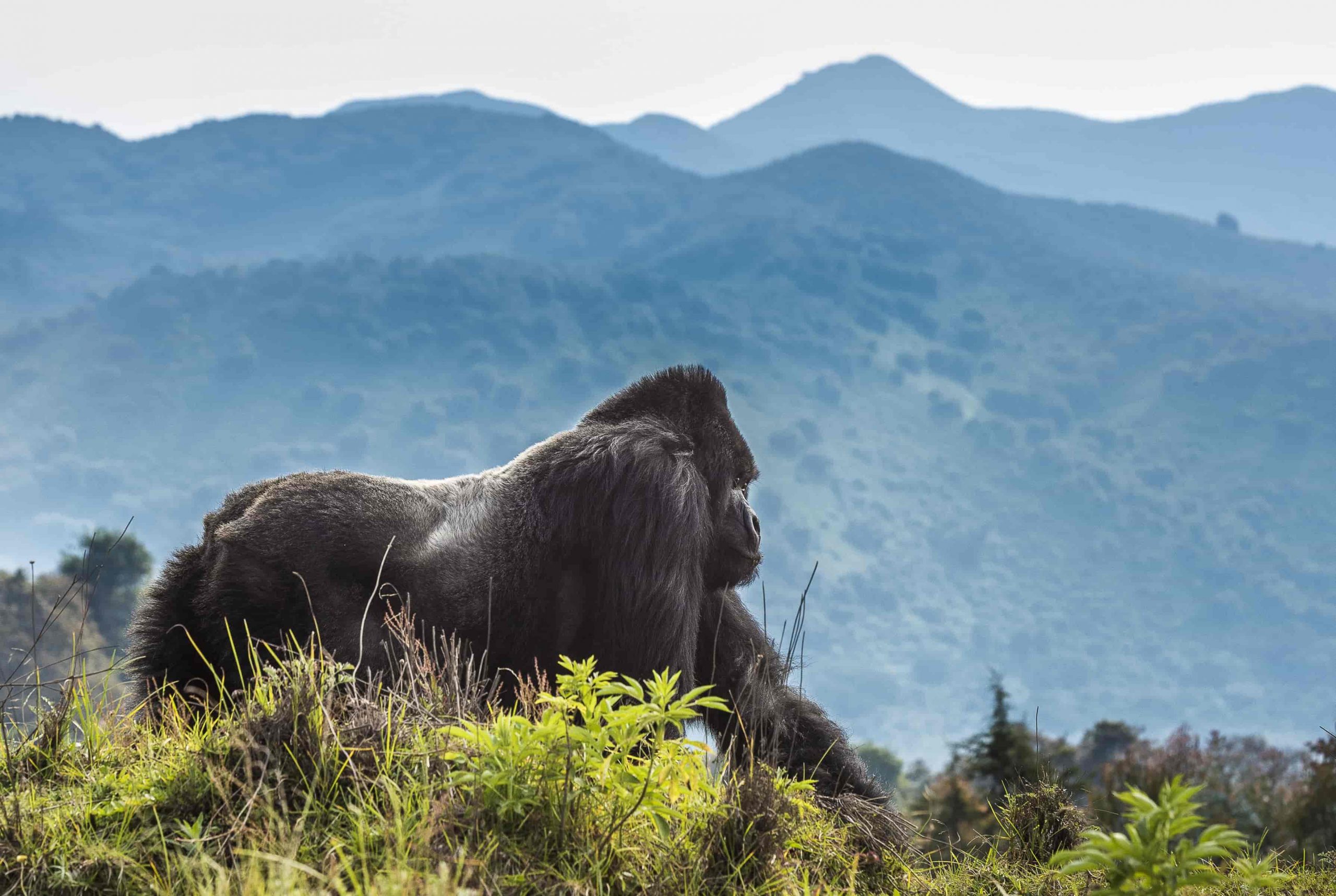
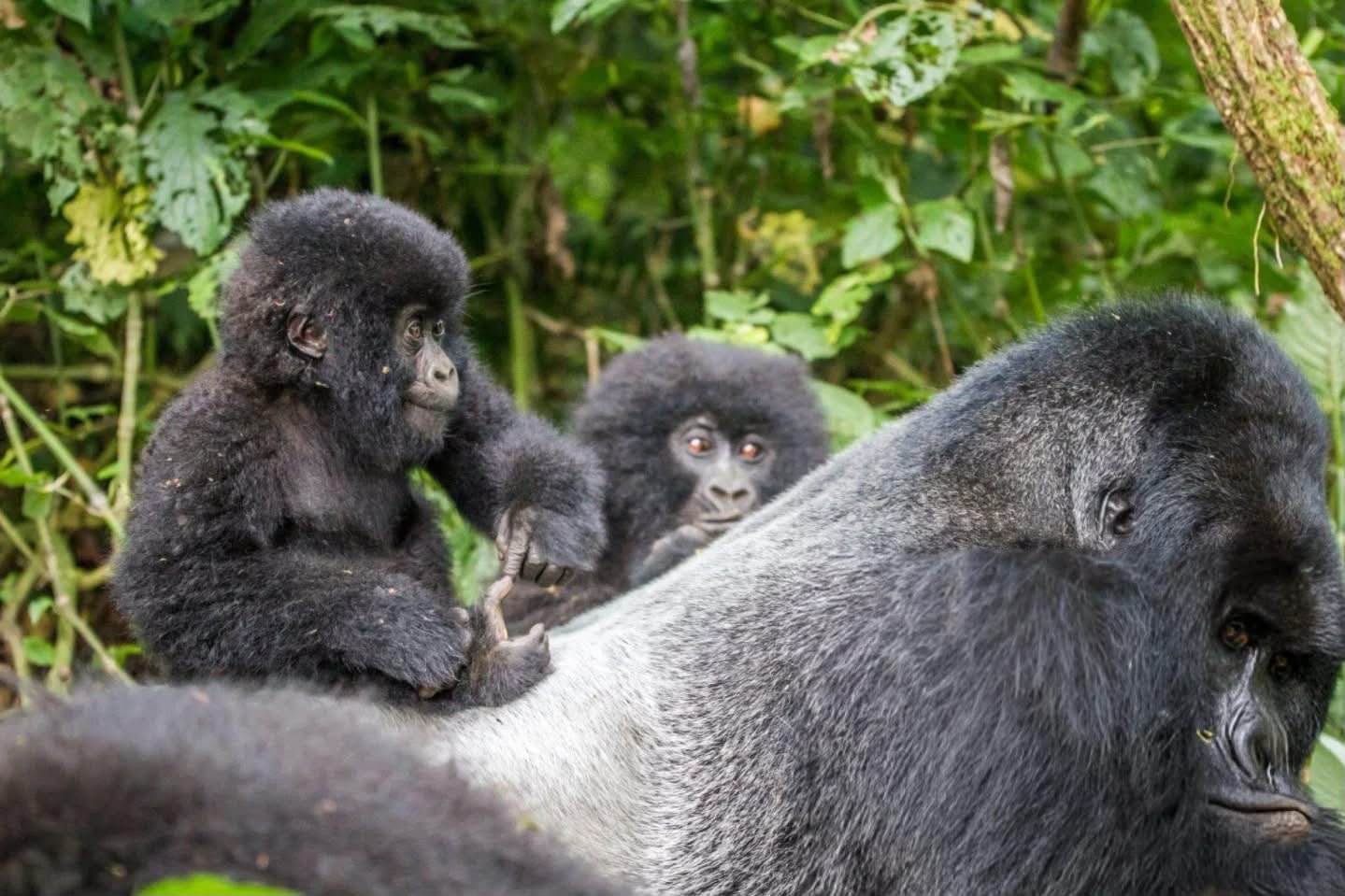
A silverback gorilla is an adult male mountain gorilla that has developed the distinctive silver-gray hair across its back and shoulders. This coloration usually develops as a male reaches maturity, which is why the term “silverback” is commonly used to describe mature male gorillas.
Silverbacks play an important role in the social structure of mountain gorilla families. They often provide protection, lead group movements, maintain social order and defend the family from potential threats.
For travelers planning gorilla trekking in Uganda, seeing a silverback in the forest can be one of the most memorable moments of the entire safari.
We help travelers experience mountain gorillas responsibly while learning about their behavior and the conservation efforts that protect them.
How Does a Gorilla Become a Silverback?
Male gorillas are not born with silver backs.
Young male gorillas initially have dark hair similar to females and younger members of the group. As they mature, a patch of silver-gray hair gradually develops across their back.
This physical change is associated with sexual maturity and adulthood.
A mature silverback can become an important member of a gorilla group, although not every male will become the dominant leader of a family.
Some males eventually leave their natal groups and live alone or form relationships with other gorillas.
What Is the Role of a Silverback?
The role of a silverback is much more complex than simply being the “strongest” gorilla.
In a gorilla family, the dominant silverback often takes responsibility for protecting the group and coordinating its movements.
Some of the roles associated with a dominant silverback include:
- Protecting the family from threats
- Leading group movements
- Maintaining social order
- Breaking up conflicts
- Protecting infants
- Deciding when and where the group travels
- Defending the group against rival males
The silverback’s leadership can help keep the family together in the challenging environment of the rainforest.
How Strong Is a Silverback Gorilla?
Silverback gorillas are extremely powerful animals.
They have large muscles, strong arms and powerful jaws. Their physical strength allows them to climb, move through dense vegetation and defend themselves when necessary.
However, strength does not mean that silverbacks are constantly aggressive.
Most of the time, gorillas prefer to feed, rest, travel and interact peacefully within their groups.
Their impressive strength is primarily important for survival and protection.
Are Silverback Gorillas Aggressive?
Silverbacks can display aggressive behavior when they feel that their group is threatened.
A silverback may:
- Beat its chest
- Make loud vocalizations
- Stand upright
- Charge toward a perceived threat
- Break vegetation
- Display its size and strength
These behaviors are often forms of intimidation or communication.
During gorilla trekking, visitors should never deliberately provoke a silverback or make sudden movements toward the animals.
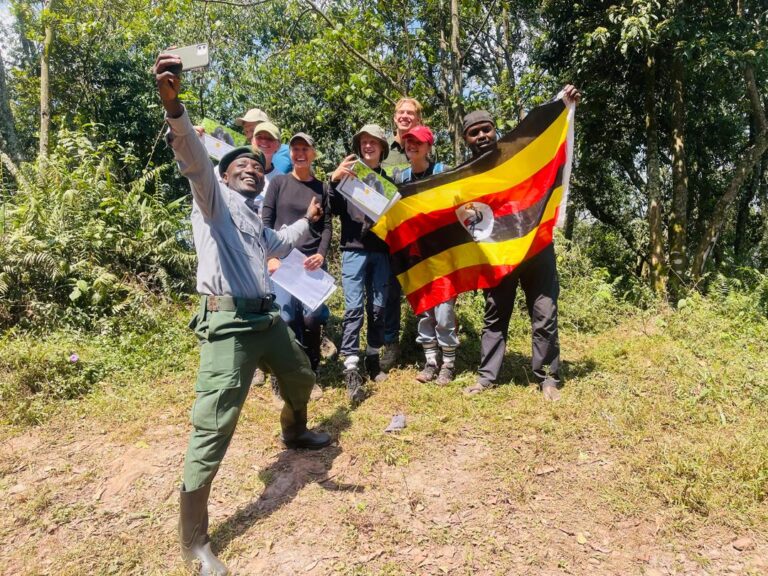
Your guide and trackers will explain how to behave around the gorillas.
Why Do Silverbacks Beat Their Chests?
The famous chest-beating display is one of the most recognizable behaviors associated with gorillas.
A silverback may beat his chest when communicating with other gorillas or responding to a particular situation.
Chest beating can serve several purposes, including:
- Showing strength
- Attracting attention
- Communicating location
- Responding to another gorilla
- Displaying dominance
- Warning potential rivals
Interestingly, chest beating is not always a sign that a gorilla is preparing to attack.
It is a form of communication and should be understood within the wider context of gorilla behavior.
What Do Silverback Gorillas Eat?
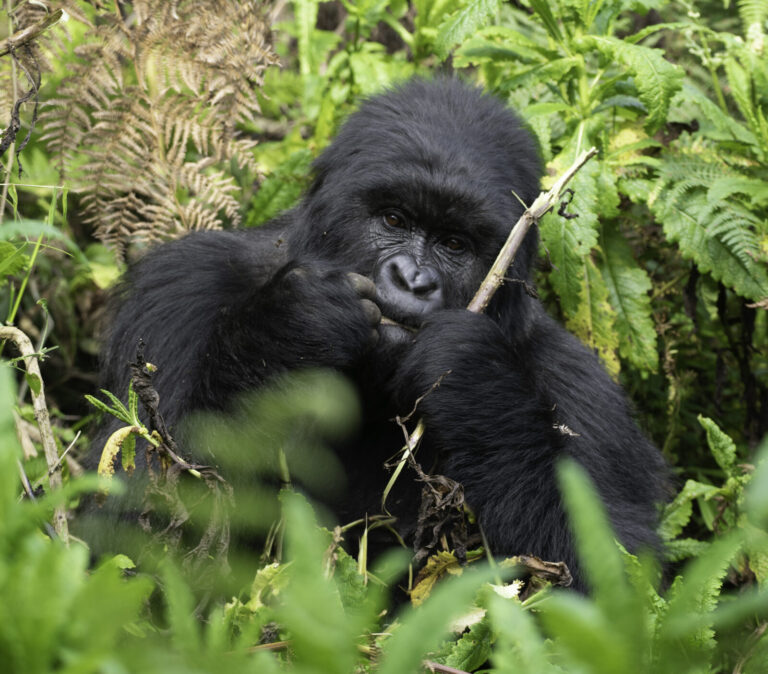
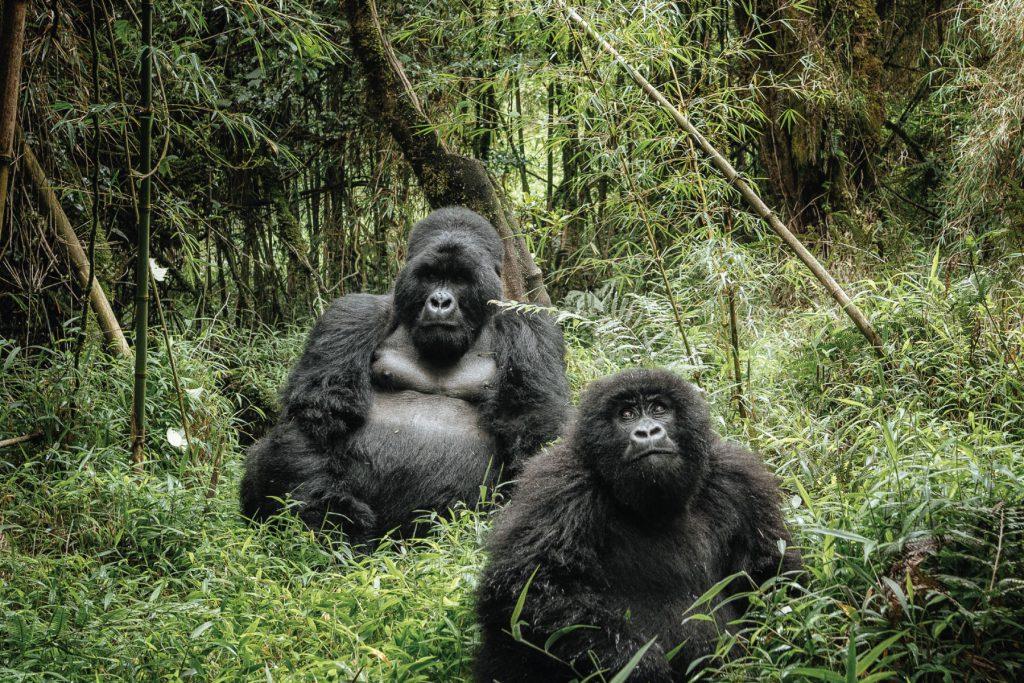
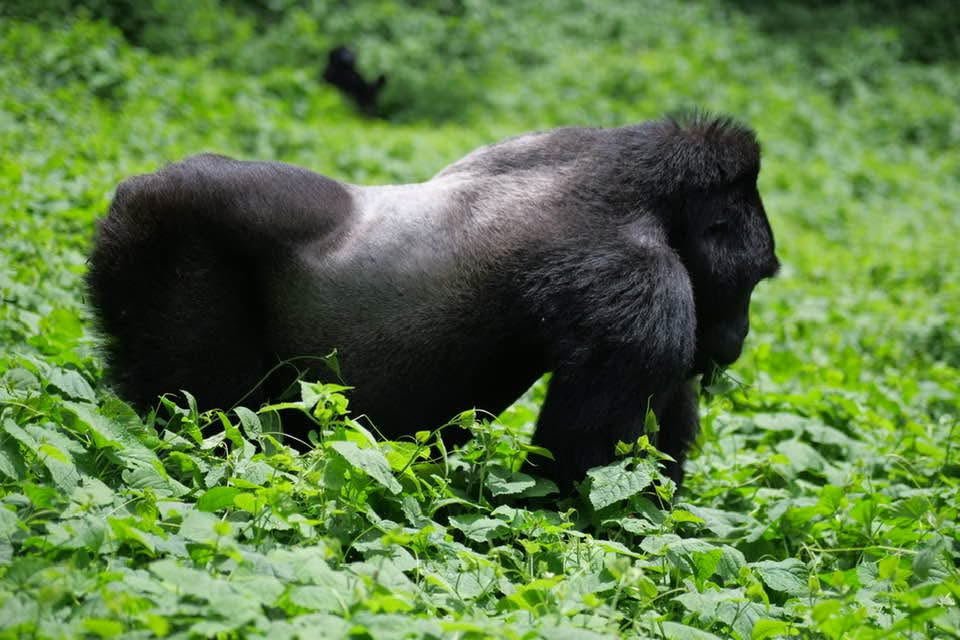
Silverback gorillas are primarily herbivores.
Their diet consists largely of vegetation found within their forest habitat.
They may eat the following:
- Leaves
- Stems
- Shoots
- Fruits
- Roots
- Flowers
- Bark
- Other edible plant material
Because gorillas spend a large part of their day feeding, food availability influences their movements through the forest.
This is one reason gorilla trekking can involve considerable hiking.
The gorilla family may move to another area in search of fresh vegetation.
How Do Silverbacks Protect Their Families?
Protection is one of the most important responsibilities of a dominant silverback.
When the family encounters a potential threat, the silverback may place himself between the threat and the other members of the group.
He may use displays such as chest beating, vocalizations and charging to discourage the threat from approaching.
Silverbacks also protect infants and younger gorillas during conflicts.
This protective behavior is one of the reasons visitors often notice the dominant male during a gorilla trek.
Do Gorilla Families Have More Than One Silverback?
Yes.
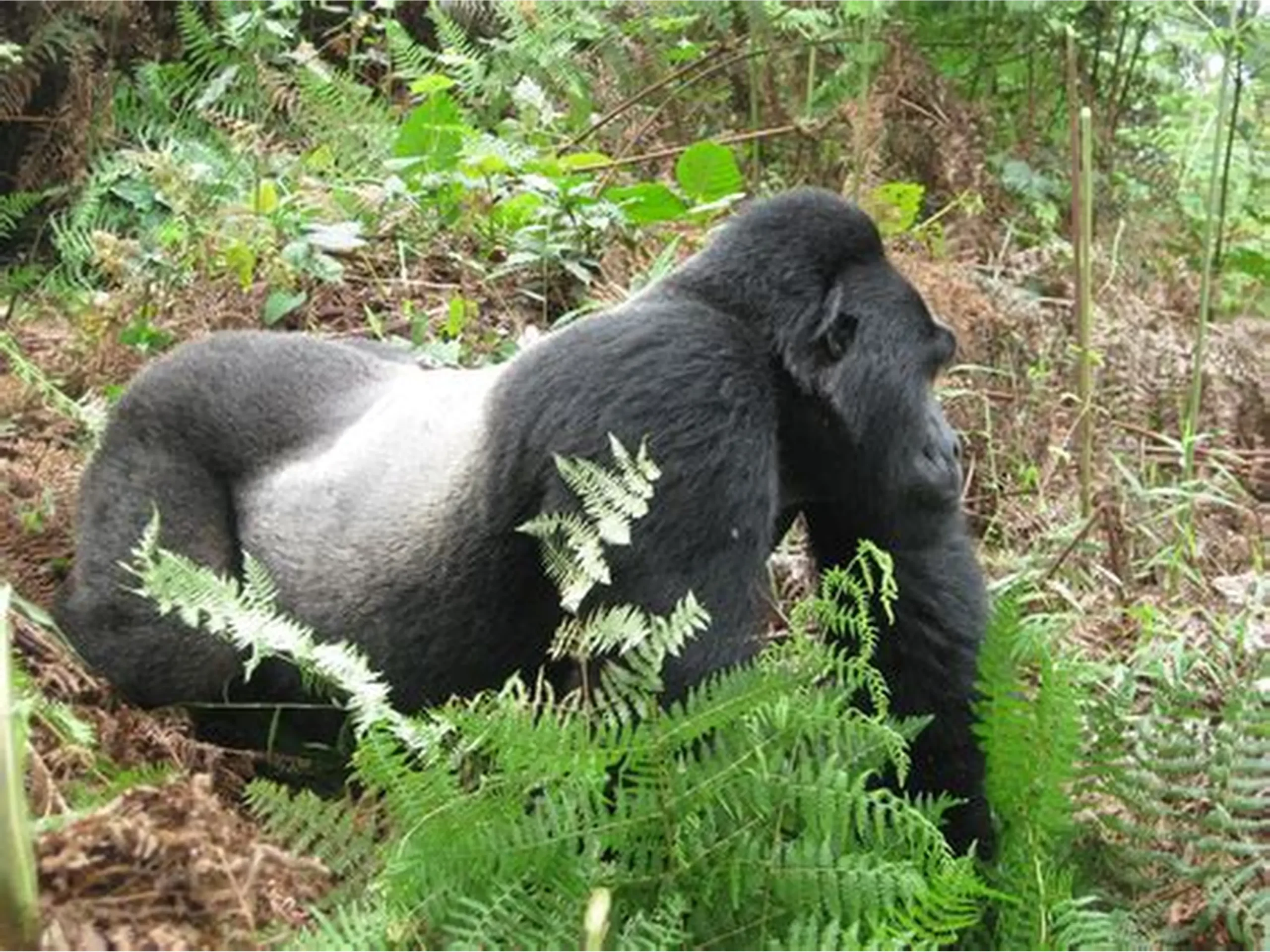
A gorilla family can contain more than one adult male.
While one silverback may be dominant, other mature males can live within the same group.
These males may have different relationships and roles within the family.
A younger silverback may eventually challenge the dominant male or leave the group and establish his own social group.
This makes gorilla family structures dynamic rather than fixed.
Do Silverbacks Fight?
Silverbacks can fight, particularly when competing for dominance, access to females or territory.
However, serious physical fights are not an everyday occurrence.
Before physical conflict occurs, gorillas may use displays and vocalizations to communicate their strength.
A dominant silverback may attempt to discourage another male through body displays, chest beating and loud calls.
If these signals fail, physical confrontation can occur.
Such conflicts can be dangerous because adult male gorillas are exceptionally strong.
Silverback Gorillas and Their Families
Mountain gorillas live in social groups called families or groups.
A typical group can contain:
- A dominant silverback
- Other adult males
- Adult females
- Juveniles
- Infants
The exact composition varies between groups.
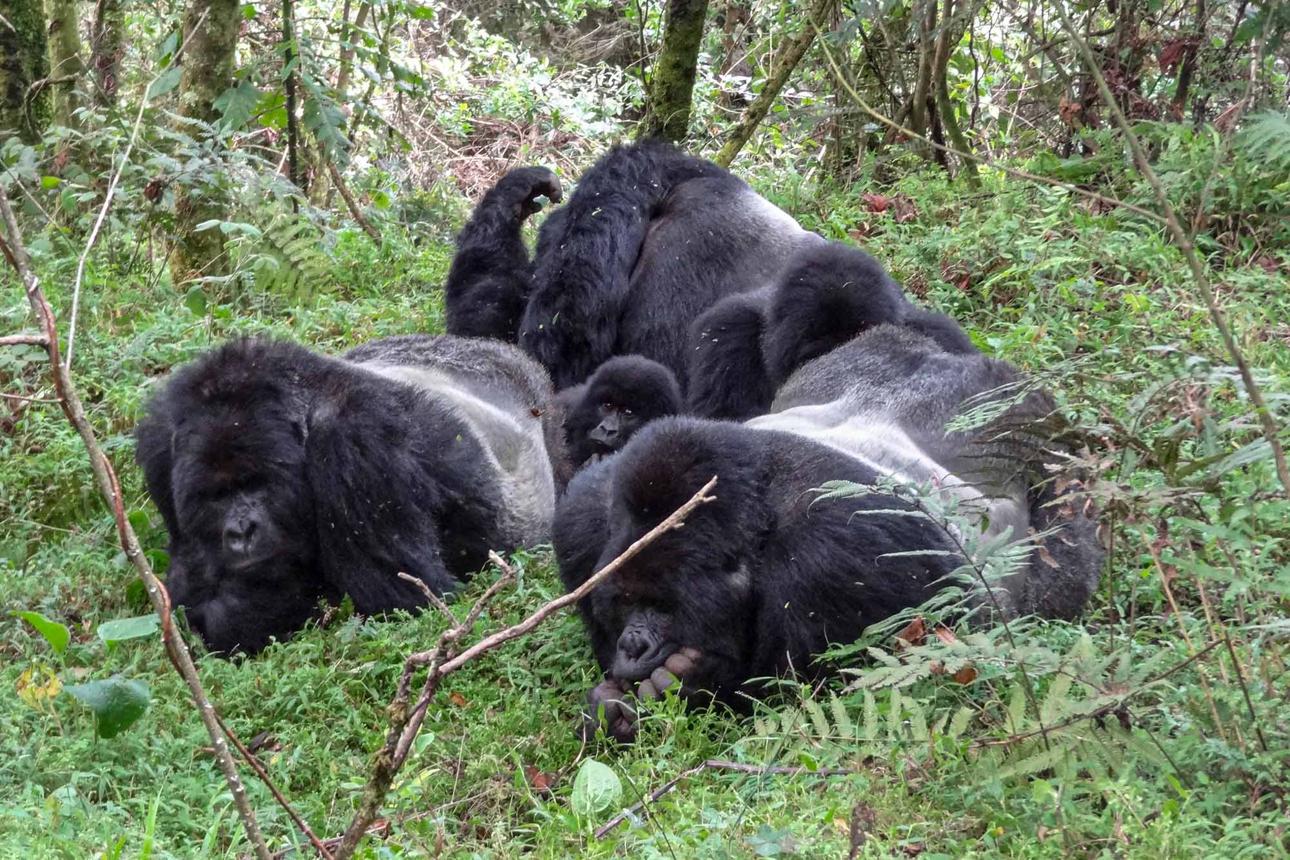
Gorillas have complex social relationships, and members spend considerable time interacting through grooming, playing, feeding and resting together.
The silverback is therefore part of a larger social system rather than simply an isolated leader.
How Do Silverbacks Interact With Infants?
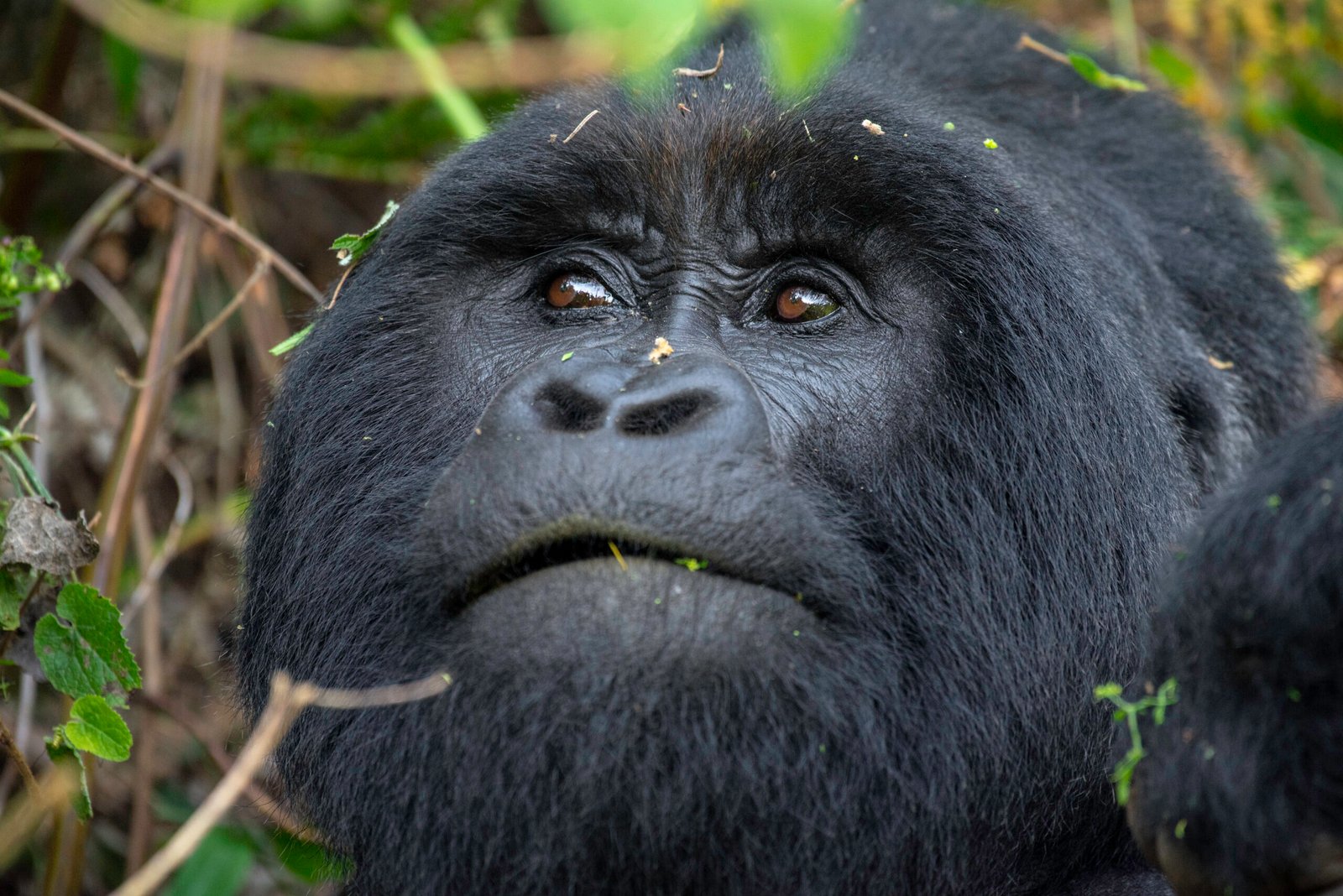
Silverbacks can be surprisingly gentle with young gorillas.
Although mothers provide much of the direct care, silverbacks may interact with infants and protect them from danger.
Young gorillas can also play around adult males.
Watching these interactions during a gorilla trek can provide a fascinating insight into the social life of mountain gorillas.
Where Can You See Silverback Gorillas?
Travelers can see mountain gorillas in their natural habitat in:
- Uganda
- Rwanda
- Democratic Republic of Congo
In Uganda, the main destinations are Bwindi Impenetrable National Park and Mgahinga Gorilla National Park.
Bwindi has several gorilla trekking sectors, including:
Each sector has different habituated gorilla groups.
What Is It Like to See a Silverback During Gorilla Trekking?
Seeing a silverback in the forest is often the highlight of a gorilla trek.
After hiking through the rainforest, you may suddenly notice a large male resting among the vegetation.
He might be feeding, sitting quietly, grooming another gorilla or watching the rest of his family.
Sometimes the silverback may look directly toward visitors.
Although this can feel intimidating because of his size, the gorillas are accustomed to carefully managed human presence.
Visitors must remain calm and follow their guide’s instructions.
How Close Can You Get to a Silverback?
Gorilla trekking follows strict rules designed to protect both humans and gorillas.
Visitors must maintain the required distance from the gorillas and avoid touching them.
Even when a silverback appears calm, it is important to remember that he remains a wild animal.
Never attempt to move closer for a better photograph.
Instead, allow the gorilla to behave naturally while your guide manages the encounter.
Can You Take Photos of a Silverback?
Yes, photography is one of the highlights of gorilla trekking.
However, visitors should follow the instructions provided by their guides.
Avoid flash photography and sudden movements.
A camera with a good zoom or telephoto lens can be useful because it allows you to capture photographs without getting unnecessarily close to the animals.
Best Time to See Silverback Gorillas
Mountain gorilla trekking takes place throughout the year.
Many travelers prefer the relatively drier periods because forest trails can be easier to navigate.
The commonly preferred periods include:
- June to September
- December to February
However, gorillas remain in the forest throughout the year, and sightings are possible during both wet and dry seasons.
Because gorillas move freely, no guide can guarantee a specific behavior or exact location.
What Should You Know Before Trekking?
Before your gorilla trek, prepare for a rainforest environment.
You should expect:
- Uneven trails
- Steep slopes
- Mud
- Rain
- Dense vegetation
- Several hours of hiking
Wear sturdy hiking boots and long clothing.
A waterproof jacket, gardening gloves, insect repellent and a small backpack are also useful.
Hiring a porter can make the trek easier and provides an opportunity to support someone from the local community.
Why Are Silverbacks Important to Gorilla Conservation?
Silverbacks are an important part of mountain gorilla society and conservation.
Protecting gorilla families means protecting the entire social structure that allows these animals to survive.
Gorilla tourism also contributes to conservation by generating revenue that supports protected areas, ranger activities and communities surrounding gorilla habitats.
Responsible tourism therefore plays a role in ensuring that future generations can continue to see mountain gorillas in the wild.
Why Choose Tarec Gorilla Safaris?
At Tarec Gorilla Safaris, we believe a gorilla trek should be more than simply checking an animal off your travel list.
Our safaris are designed to help travelers understand the wildlife they encounter while enjoying a carefully planned experience.
We can organize:
- Gorilla trekking in Uganda
- Gorilla trekking in Rwanda
- Gorilla habituation experiences
- Wildlife safaris
- Chimpanzee trekking
- Cultural experiences
- Private safari transportation
- Accommodation
- Gorilla permits
Whether you are fascinated by silverbacks, interested in gorilla behavior or simply want to experience these remarkable animals in the wild, we can help create a safari around your interests.
Frequently Asked Questions About Silverback Gorillas
What is a silverback gorilla?
A silverback is a mature adult male gorilla that develops distinctive silver-gray hair across its back and shoulders.
How strong is a silverback gorilla?
Silverbacks are exceptionally powerful animals, with large muscles, strong arms and powerful jaws.
Do all male gorillas become silverbacks?
Adult males develop silver coloration as they mature, but not every male becomes the dominant leader of a gorilla family.
Why do silverbacks beat their chests?
Chest beating is a form of communication that can display strength, attract attention, communicate location or respond to other gorillas.
Are silverback gorillas dangerous?
Silverbacks are powerful wild animals and can become defensive when threatened. However, they are not constantly aggressive. Following your guide’s instructions is essential during gorilla trekking.
How many silverbacks can live in one gorilla family?
A family can contain multiple adult males, although one may hold the dominant position.
Can I see a silverback during gorilla trekking?
Yes. Visitors trekking a habituated gorilla family may encounter one or more adult males during their trek.
Therefore, We Say
The silverback gorilla is one of the most fascinating animals you can encounter during a safari in Africa.
Beyond its impressive size and strength, a silverback plays an important role in the social life and protection of its gorilla family. Understanding this behavior makes a gorilla trekking experience even more meaningful.
If seeing a silverback in its natural habitat is on your travel bucket list, Uganda offers an incredible opportunity to experience these remarkable animals in the forests of Bwindi and Mgahinga.
Ready to experience a silverback gorilla in the wild? Contact Us and start planning your Uganda or Rwanda gorilla trekking adventure.