
Is Uganda Safe for Tourists?
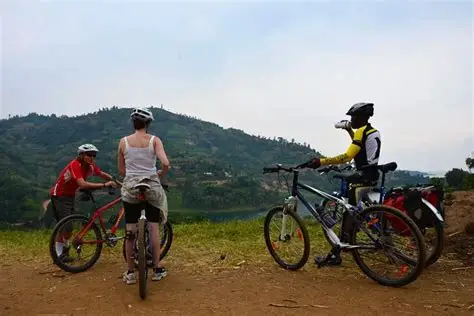
Often called the Pearl of Africa, Uganda offers rainforest-covered mountains, savannah parks, lakes, rivers and vibrant towns. This guide from Berengei Africa Safaris explains practical considerations for national parks, gorilla trekking, Kampala and Entebbe, road travel, health, personal belongings and cultural visits.
Important: Safety conditions and official travel advice can change. Before departure, check your government’s latest Uganda travel advisory, follow local authorities’ instructions and ask your tour operator about conditions along your specific route. The information below is general travel guidance, not a guarantee of safety.
How Safe Is Uganda for Tourists?
Many travelers visit Uganda on organized safaris and independent holidays each year. Popular tourism destinations include Bwindi Impenetrable National Park, Queen Elizabeth National Park and Murchison Falls National Park. However, visitors should not assume that every area has the same conditions or level of risk.
Before booking, check the latest advice for the towns, roads and parks on your itinerary. Avoid demonstrations and large political gatherings, monitor local news, and follow instructions from local authorities. If an advisory identifies areas to avoid, discuss alternative routes with your tour operator rather than relying on old blog posts or social media comments.

Safety During Gorilla Trekking and Wildlife Safaris
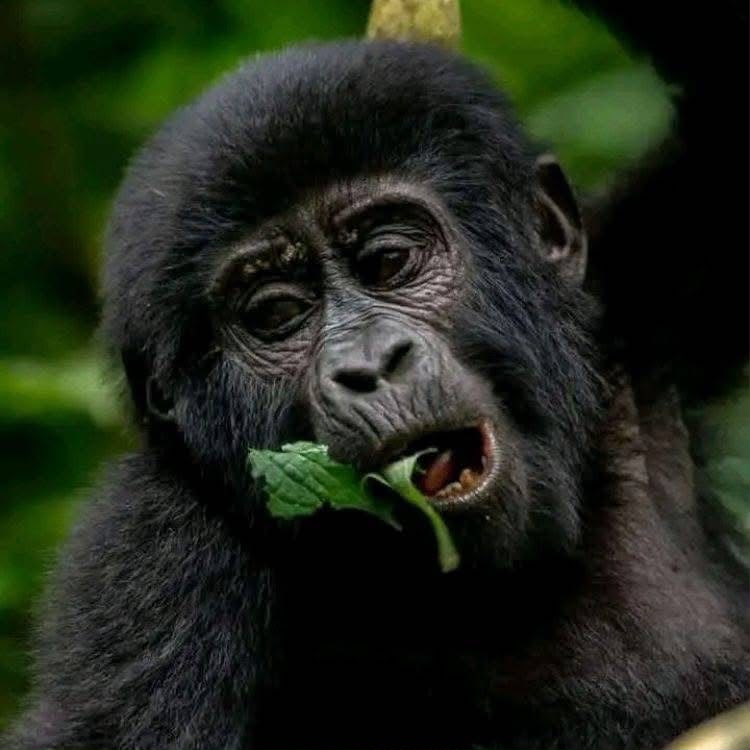
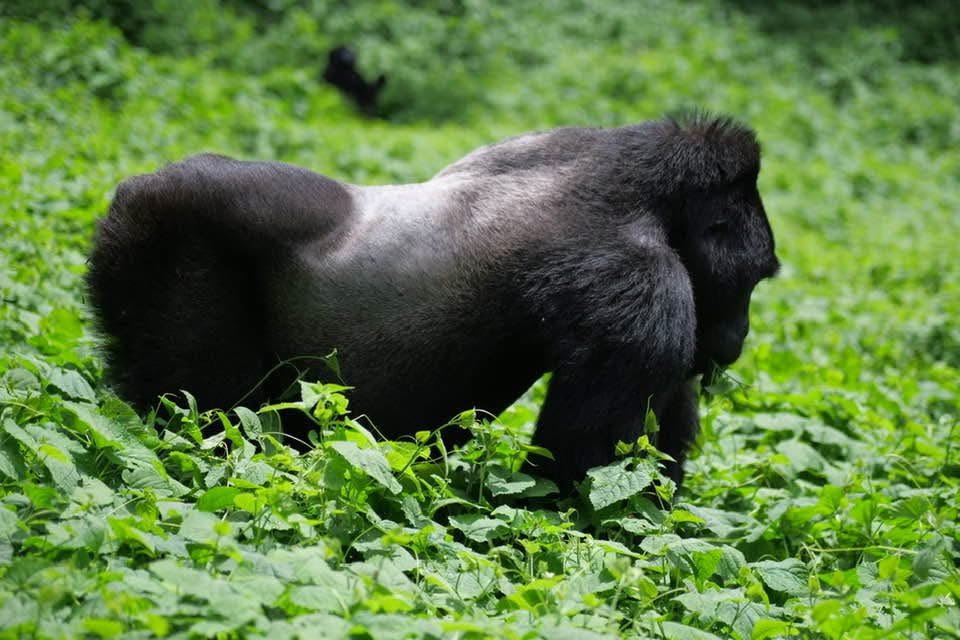
Gorilla trekking in Bwindi Impenetrable National Park is managed under official park procedures. Visitors attend a briefing and follow the instructions of authorized guides and rangers. Gorilla trekking is not an independent forest walk: travelers must have the required permit and follow the rules set for the activity.
For a safer and more responsible trek:
- Follow the briefing and instructions from your ranger throughout the trek.
- Keep the required distance from gorillas and never touch, feed or provoke them.
- Do not trek when you are unwell; follow current health guidance from park authorities.
- Wear suitable walking shoes, long trousers and a long-sleeved shirt.
- Carry drinking water and rain protection, and tell your guide if you are struggling with the terrain.
- Use a porter if you need help carrying your daypack or navigating steep trails.
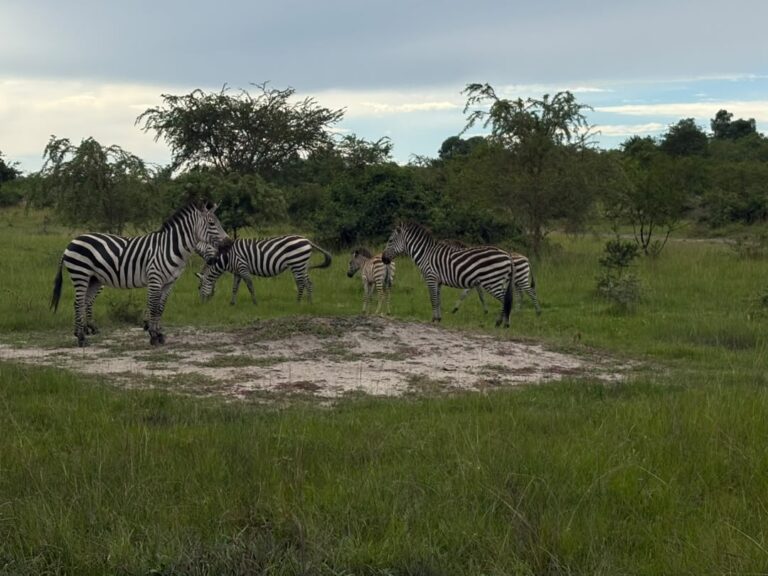
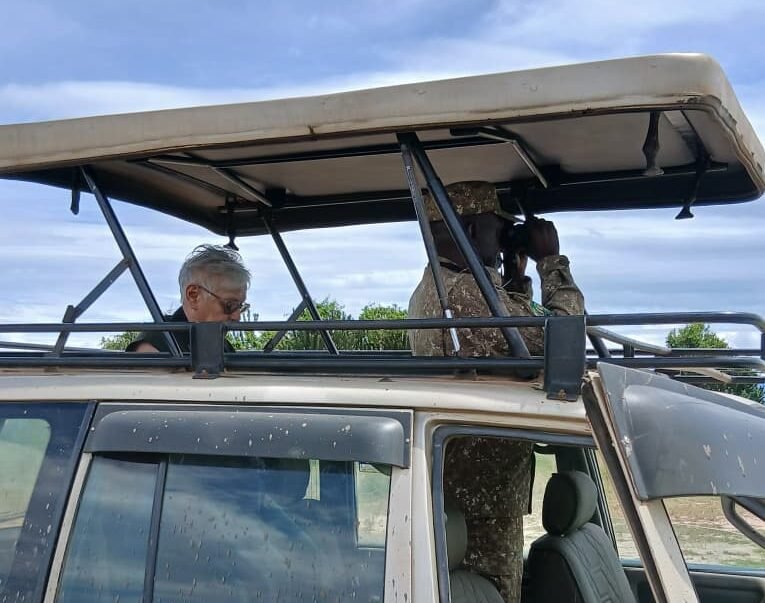
Game drives in Queen Elizabeth and Murchison Falls national parks also require visitors to follow guide and park rules. Stay inside your vehicle where required, do not approach or feed wildlife, and never get out of the vehicle near dangerous animals unless your guide confirms that it is permitted and safe.
Wild animals are unpredictable, so a guided activity should never be described as completely risk-free. A trained guide can explain local procedures and help visitors make informed decisions, but everyone must follow instructions carefully.
Is Kampala and Entebbe Safe for Tourists?
Kampala and Entebbe are common arrival points for travelers. As in many busy cities, visitors should take sensible precautions against theft, traffic hazards and scams. Conditions vary by neighborhood and time of day, so ask your accommodation or trusted local contact for current advice.
Helpful precautions include:
- Use transport arranged by your accommodation or a reputable provider, especially after dark.
- Keep phones, cameras, passports and wallets secure in crowded places.
- Avoid displaying large amounts of cash or expensive jewelry.
- Stay alert around busy markets, transport hubs and crowded streets.
- Avoid walking alone through unfamiliar or poorly lit areas at night.
- Agree on prices and payment arrangements before using a service.
If you go out in the evening, plan your return transport in advance and share your plans with someone you trust. Keep your accommodation address and an emergency contact available offline.
Road and Transport Safety in Uganda
Road travel is a major part of many Uganda safaris. Main highways connect many towns, but rural roads, park tracks and routes affected by rain can be rough or slow. Driving times may be longer than a map suggests, particularly when traveling between distant national parks.
To reduce road-related risks:
- Choose a reputable operator or rental company and confirm that the vehicle is suitable for your route.
- Wear seat belts and use appropriate child restraints where needed.
- Plan long transfers for daylight hours whenever possible.
- Avoid speeding, distracted driving and driving when tired.
- Check road and weather conditions before traveling to remote areas.
- Carry water, a charged phone, offline maps and the rental provider’s emergency number.
- Do not assume a 4×4 makes every road passable; follow local advice and never drive through floodwater.
Is self-driving recommended? Self-driving may suit visitors who have suitable experience, understand local driving conditions and are comfortable planning routes independently. Travelers unfamiliar with Uganda may prefer a guided safari, where a professional driver handles navigation and the tour operator coordinates transfers. Neither option removes all risk, so choose based on your experience, itinerary and current advice.
Health and Travel Safety in Uganda
Preparing for health needs is an important part of planning a safe trip. Speak to a qualified travel-health professional well before departure about recommended vaccines, malaria prevention and any health precautions relevant to your itinerary and medical history. Yellow fever vaccination documentation may be required depending on your route and applicable entry rules; confirm the current requirements before travel.
Practical health precautions include:
- Use insect repellent and follow professional advice about malaria prevention.
- Drink sealed bottled water or water treated by a reliable method.
- Wash or sanitize your hands before eating.
- Use sun protection and drink enough water during outdoor activities.
- Carry your regular medication in its original packaging, with an adequate supply for the trip.
- Tell your operator in advance about mobility needs, allergies or other requirements that affect activities.
- Arrange travel insurance that covers your planned activities, medical care and evacuation where available and appropriate.
Medical services are available in major towns, including Kampala, but access to advanced care may be limited in remote safari areas. Keep your insurance details and emergency contacts accessible. If you become seriously unwell, seek professional medical assistance rather than relying on online advice.

Wildlife, Water and Outdoor Safety
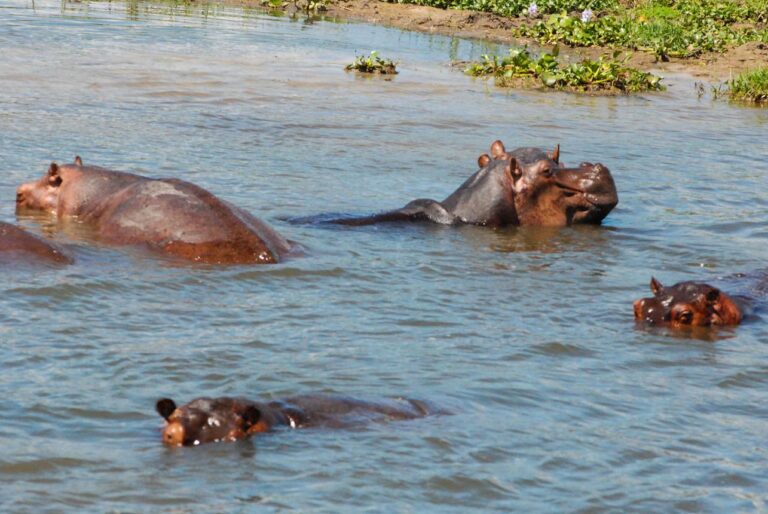
Uganda’s outdoor experiences include game drives, boat cruises, forest walks, birdwatching and adventure activities. Each activity has different risks, so listen to the safety briefing and use qualified providers.
- Game drives: Keep a safe distance from animals and follow the guide’s instructions about when to remain inside the vehicle.
- Boat trips: Use the safety equipment provided, follow crew instructions and protect cameras and phones from water.
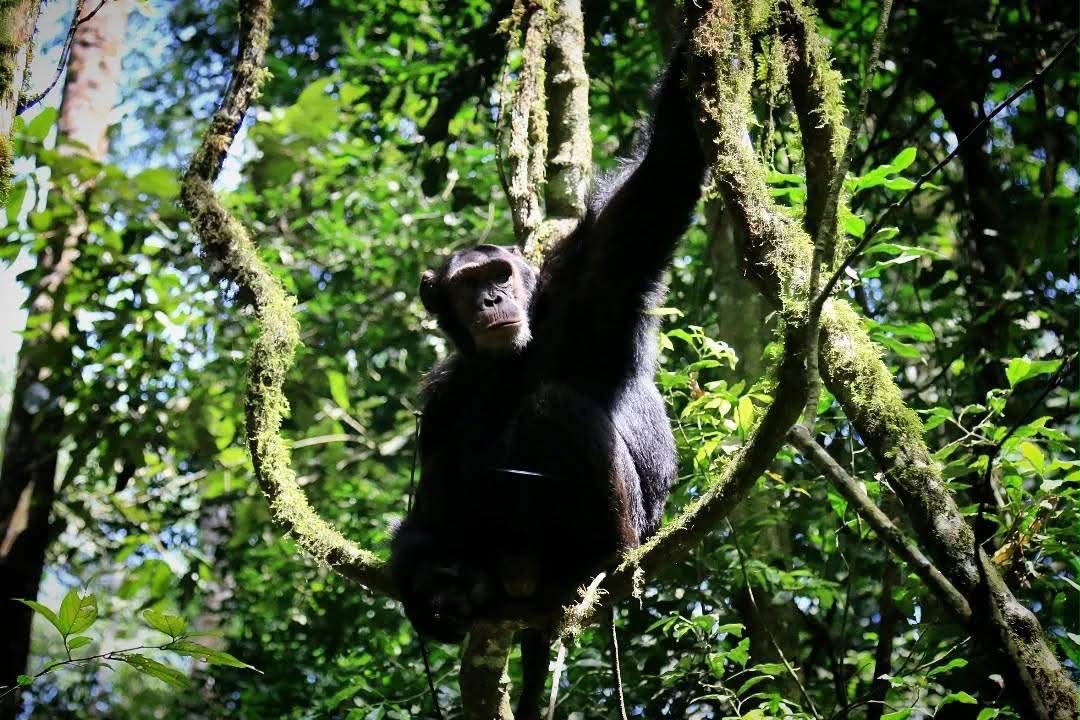
- Forest walks: Stay with your guide, wear suitable footwear and tell the guide if you feel unwell or need a break.
- White-water rafting and adventure sports: Choose an established operator, disclose relevant health concerns and follow all equipment and safety instructions.
- Birdwatching: Avoid approaching nests or disturbing birds to obtain a photograph. Watch your footing near water and on uneven trails.
Cultural Safety and Respect for Local Communities
Community visits can be a rewarding part of a Uganda holiday. Respect local customs, ask permission before photographing people and follow your guide’s advice when visiting homes, markets, cultural sites or community projects.
Helpful etiquette includes:
- Dress appropriately for the community and the setting.
- Ask before taking close-up photographs of people, children or private property.
- Respect religious, cultural and community rules.
- Buy crafts and services from legitimate local providers when possible.
- Do not share photographs or personal details of others in ways they have not agreed to.
Money, Documents and Personal Belongings
Protect your travel documents and valuables throughout your trip. Keep your passport secure, carry a copy when appropriate and store digital copies in a protected account that you can access if needed.
- Use hotel or lodge safes where available, while keeping essential documents accessible.
- Carry only the cash and cards you need for the day.
- Keep bags closed and close to you in busy areas.
- Use ATMs in secure, well-lit locations and shield your PIN.
- Be cautious of unexpected requests for money or personal information.
- Keep booking confirmations, insurance details and emergency contacts available offline.
How to Choose a Reliable Uganda Safari Operator
A trustworthy operator can help coordinate transport, accommodation, park activities and practical information for your itinerary. Before paying a deposit, check the company’s contact details, recent independent reviews, written itinerary, payment terms and cancellation policy.
Ask the operator:
- What vehicle will be used, and is it suitable for the planned route?
- Who will be the driver-guide, and how can you contact them during the trip?
- Which permits, park fees, meals and activities are included in the quote?
- What happens if weather, road conditions or another disruption changes the itinerary?
- What emergency arrangements and support are available?
Read the quotation carefully and get important arrangements confirmed in writing. A clear, realistic itinerary is more useful than promises that every activity or wildlife sighting is guaranteed.
Common Safety Mistakes Tourists Should Avoid
- Ignoring current official travel advice or local instructions.
- Traveling long distances without allowing enough time for delays.
- Leaving valuables visible in a vehicle or public place.
- Approaching wildlife or ignoring a ranger’s instructions.
- Starting remote journeys without checking fuel, weather and road conditions.
- Relying on a phone signal where coverage may be limited.
- Booking a safari without confirming what the price includes.
- Failing to arrange appropriate travel insurance or health advice before departure.
Why Travelers Choose Guided Safaris in Uganda
A guided safari can make travel simpler for visitors who are unfamiliar with Uganda. An experienced driver-guide can manage navigation, explain wildlife behaviour and help coordinate park activities. A tour operator can also assist with practical arrangements such as accommodation, permits and transfers, depending on the package booked.
For example, a trip combining Queen Elizabeth National Park with Bwindi Impenetrable National Park involves different landscapes and activity requirements. A carefully planned itinerary can help you allocate realistic travel time and arrive prepared for each experience.
A guided safari does not guarantee that nothing will go wrong, but it can reduce the amount of logistics you need to manage personally. Choose the style of travel that suits your comfort level, experience and budget.
Frequently Asked Questions: Is Uganda Safe for Tourists?
Is Uganda safe for solo travelers?
Solo travelers visit Uganda, but should plan transport and accommodation carefully, check current travel advice and take normal precautions with personal belongings. An organized safari can simplify transfers and activities, particularly for first-time visitors.
Is Uganda safe for families?
Families can enjoy safaris in Uganda when they choose age-appropriate activities and plan carefully. Check minimum ages and other rules for gorilla trekking, chimpanzee tracking and adventure activities, and discuss children’s needs with the operator before booking.
Are Uganda’s national parks safe to visit?
National parks have rules, staff and guided procedures designed to manage visitor activities, but wildlife and outdoor environments always involve risk. Check current conditions, use authorized services and follow all ranger and guide instructions.
Is it safe to drive in Uganda?
Driving conditions vary between highways, towns, rural roads and park tracks. Travelers should check current road conditions, avoid driving while tired and plan long journeys carefully. If you are unfamiliar with local roads, consider using an experienced safari driver.
Do I need travel insurance for Uganda?
Travel insurance is strongly recommended. Check that your policy covers the activities you plan to do, medical treatment, trip disruption and evacuation where applicable. Read exclusions and coverage limits before purchasing.
What health precautions should I take before visiting Uganda?
Consult a qualified travel-health professional about vaccines, malaria prevention and other precautions suited to your itinerary. Confirm current entry requirements and carry the medication and documentation you need.
Can I visit Uganda without a tour operator?
Independent travel is possible for many visitors, but you must arrange transport, accommodation, permits and activities yourself and comply with all local rules. A tour operator may be useful for multi-park trips, remote destinations or activities that require advance coordination.
What should I do in an emergency?
Contact local emergency services or the relevant park authority, notify your accommodation or tour operator, and contact your travel insurer or embassy when appropriate. Keep important contact details available offline before you travel.
Inconclusion therefore: Is Uganda Safe for Tourists?
So, is Uganda safe for tourists? Many visitors enjoy Uganda’s wildlife, landscapes and cultural experiences, but responsible planning is essential. Check current official travel advice, prepare for road and health conditions, protect your belongings and follow the instructions of qualified guides and local authorities.
Whether you are planning gorilla trekking, wildlife game drives, birdwatching or a wider East African adventure, choose an itinerary that matches your interests and comfort level. Keep plans flexible enough to respond to changing conditions, and never treat any destination or activity as completely risk-free.
Contact Berengei Africa Safaris to discuss your Uganda safari itinerary, transport, accommodation and activity arrangements.