Uganda Gorilla Groups: Why Only 8 Visitors Can Visit One Mountain Gorilla Family Each Day
Uganda is one of the few places on Earth where you can encounter endangered mountain gorillas in their natural habitat. Home to more than half of the world’s remaining mountain gorillas, Uganda offers an unforgettable trekking experience in the lush forests of Bwindi Impenetrable National Park and Mgahinga Gorilla National Park.
One of the most important things every traveler should know is that only eight visitors are allowed to visit one habituated mountain gorilla group each day. This rule is a cornerstone of Uganda’s conservation efforts, ensuring that gorilla tourism remains sustainable while providing visitors with an intimate wildlife experience.
At Berengei Africa Safaris, we believe that understanding how gorilla groups are managed helps visitors appreciate the incredible conservation work that protects these gentle giants for future generations.
What Are Uganda Gorilla Groups?
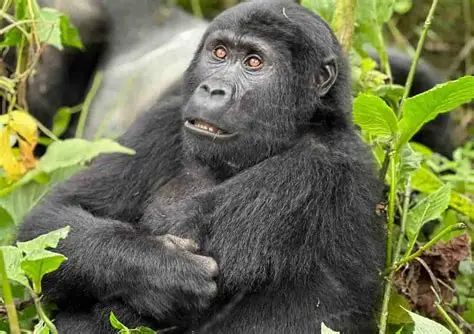
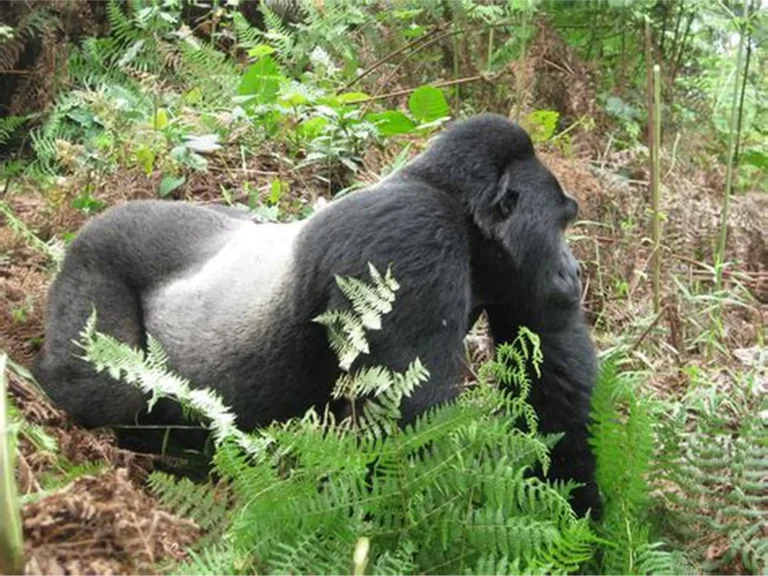
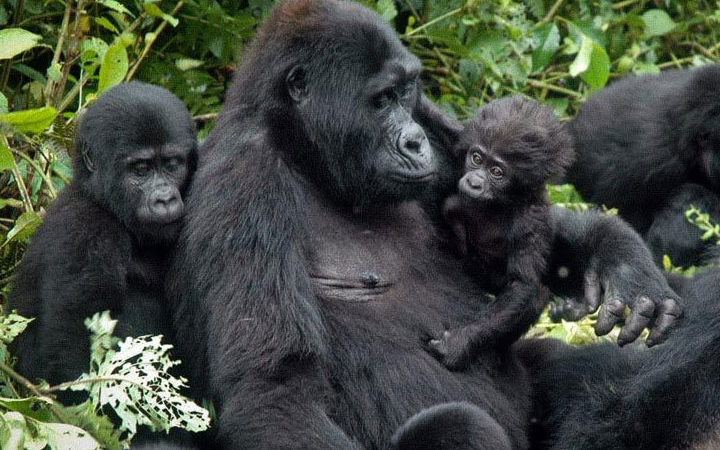
A gorilla group, also known as a gorilla family, is a close-knit social unit led by a dominant male called a silverback. The family usually consists of:
- The dominant silverback
- Adult females
- Blackbacks (young adult males)
- Juveniles
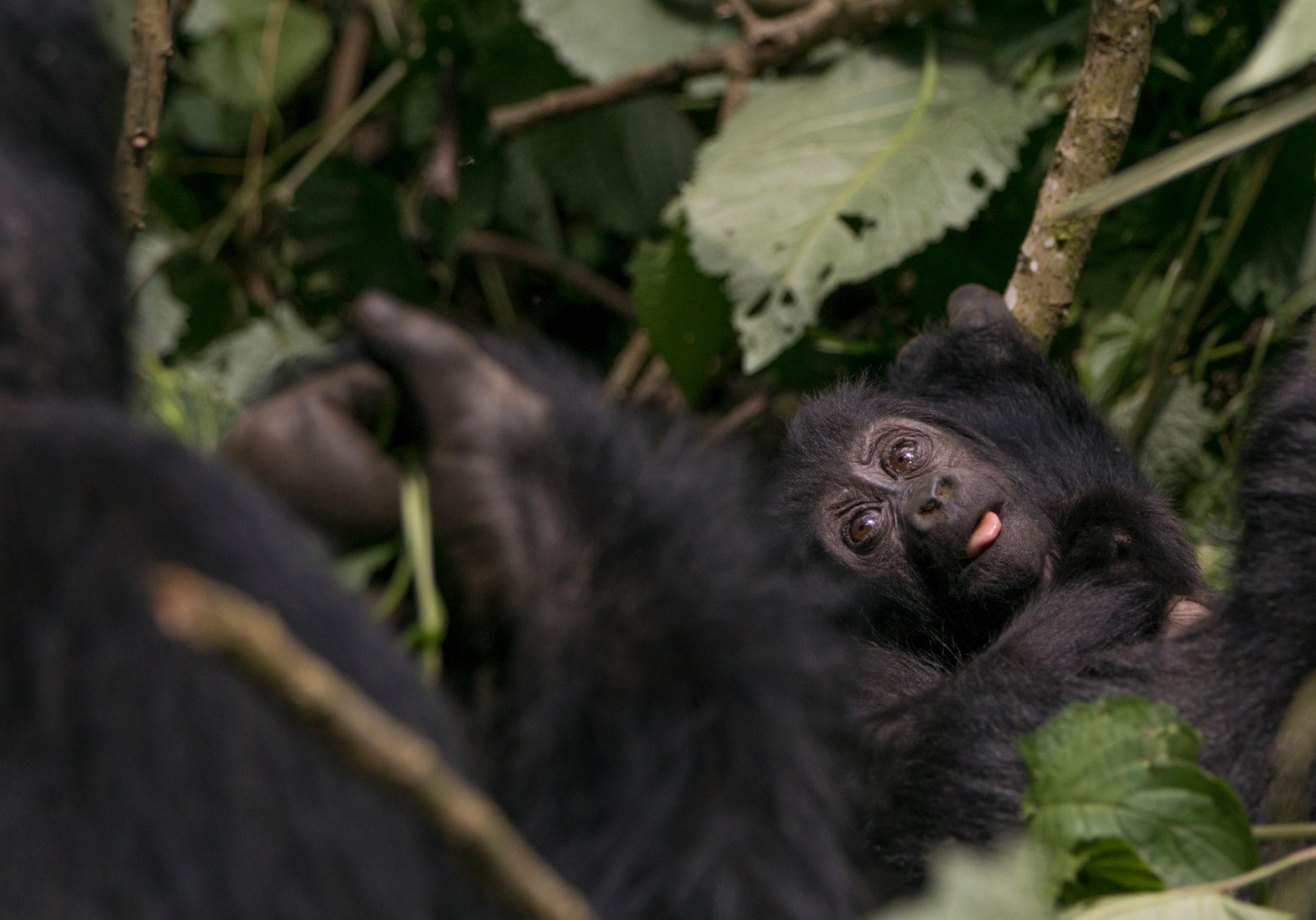
- Playful infants
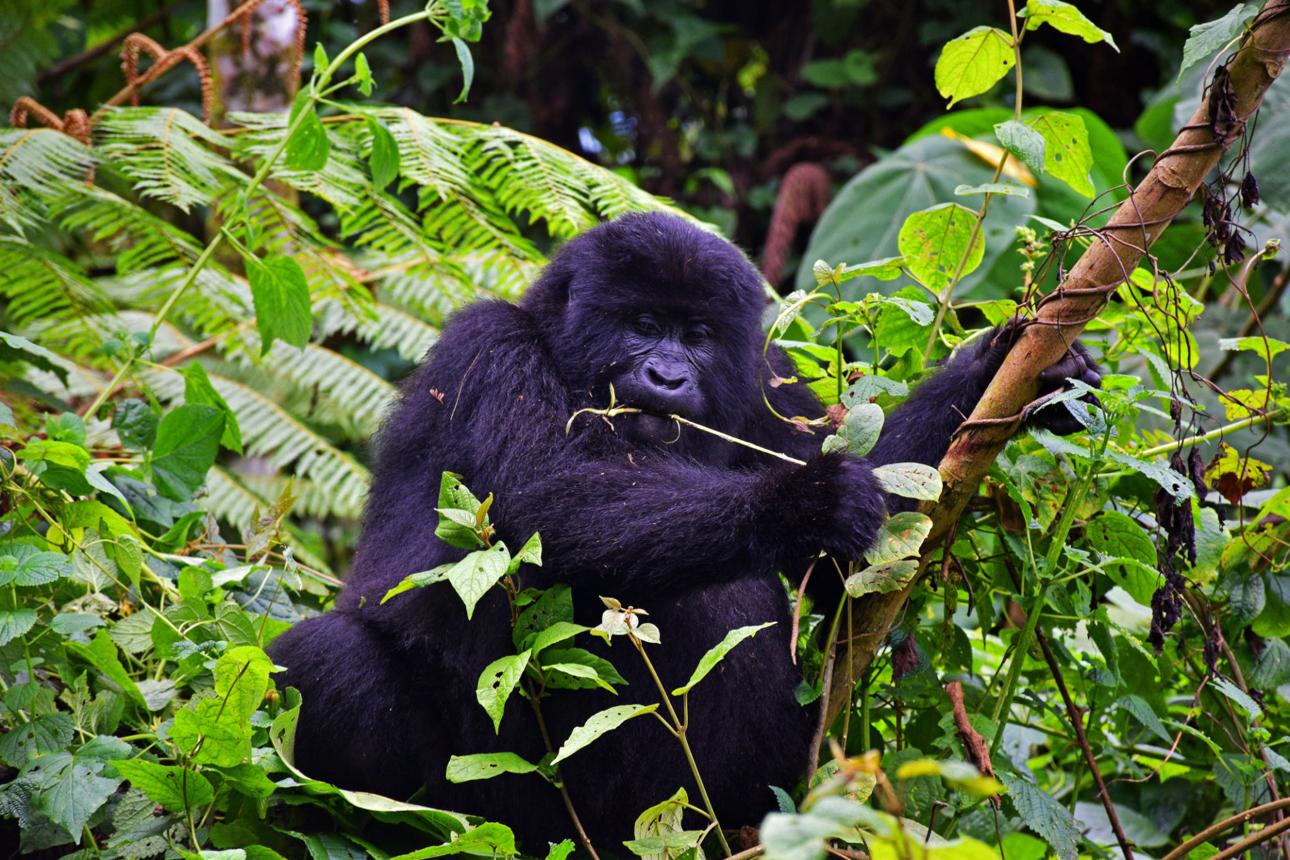
Each family lives, feeds, travels, and rests together in the rainforest. Mountain gorillas are highly social animals, and their family relationships are remarkably similar to those of humans.
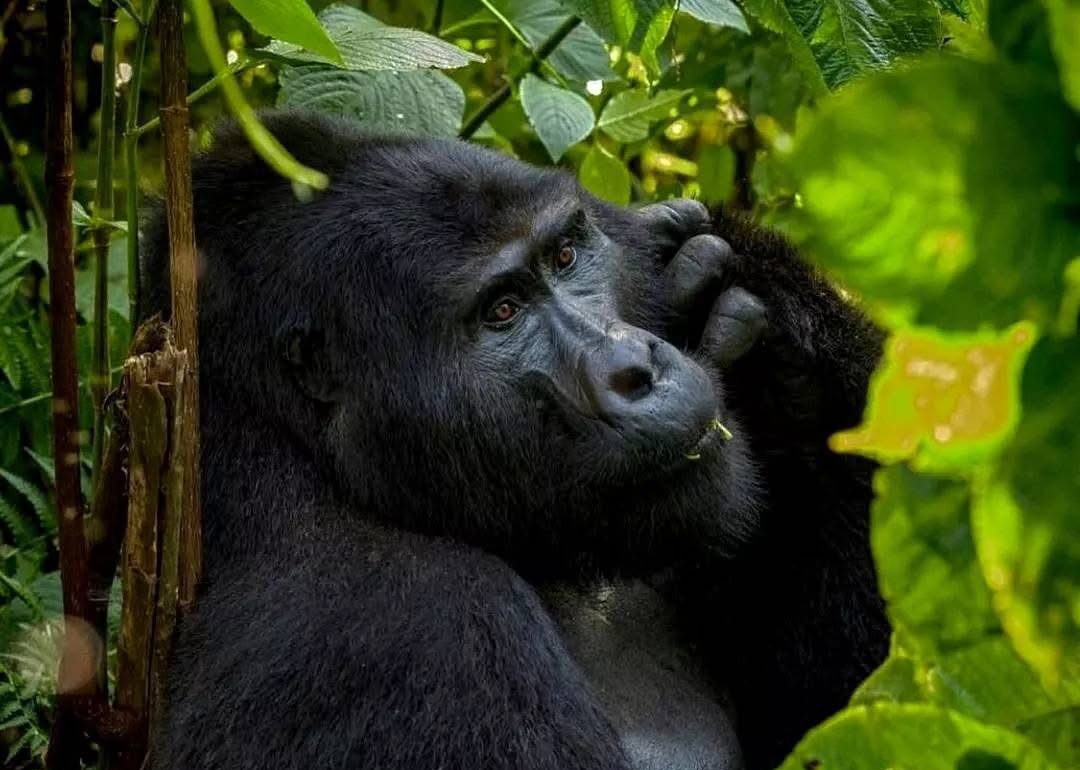
Before a gorilla family can be visited by tourists, it must undergo a process called habituation. During this period, experienced trackers, researchers, and Uganda Wildlife Authority (UWA) rangers gradually introduce the gorillas to human presence until they become comfortable without changing their natural behavior.
This process can take between two and three years.
Why Are Only 8 Visitors Allowed Per Gorilla Group?
One of Uganda’s most important gorilla trekking regulations is the limit of eight visitors per habituated gorilla group per day.
This rule exists for several reasons.
1. Protecting the Health of Mountain Gorillas
Mountain gorillas share approximately 98% of their DNA with humans, making them vulnerable to many human diseases.
Even a common cold or seasonal flu can spread to gorillas and threaten an entire family. Limiting the number of daily visitors greatly reduces this risk.
2. Reducing Stress on the Gorillas
Although gorillas are habituated to human presence, they are still wild animals.
Large crowds could disrupt their feeding, resting, or caring for young infants. Smaller trekking groups help ensure gorillas continue behaving naturally.
3. Creating a Better Visitor Experience
With only eight people visiting each gorilla family, every guest enjoys excellent viewing opportunities without overcrowding.
Visitors can quietly observe the gorillas, ask questions, and take photographs while enjoying one of Africa’s most exclusive wildlife encounters.
Where Are Uganda’s Gorilla Groups Found?
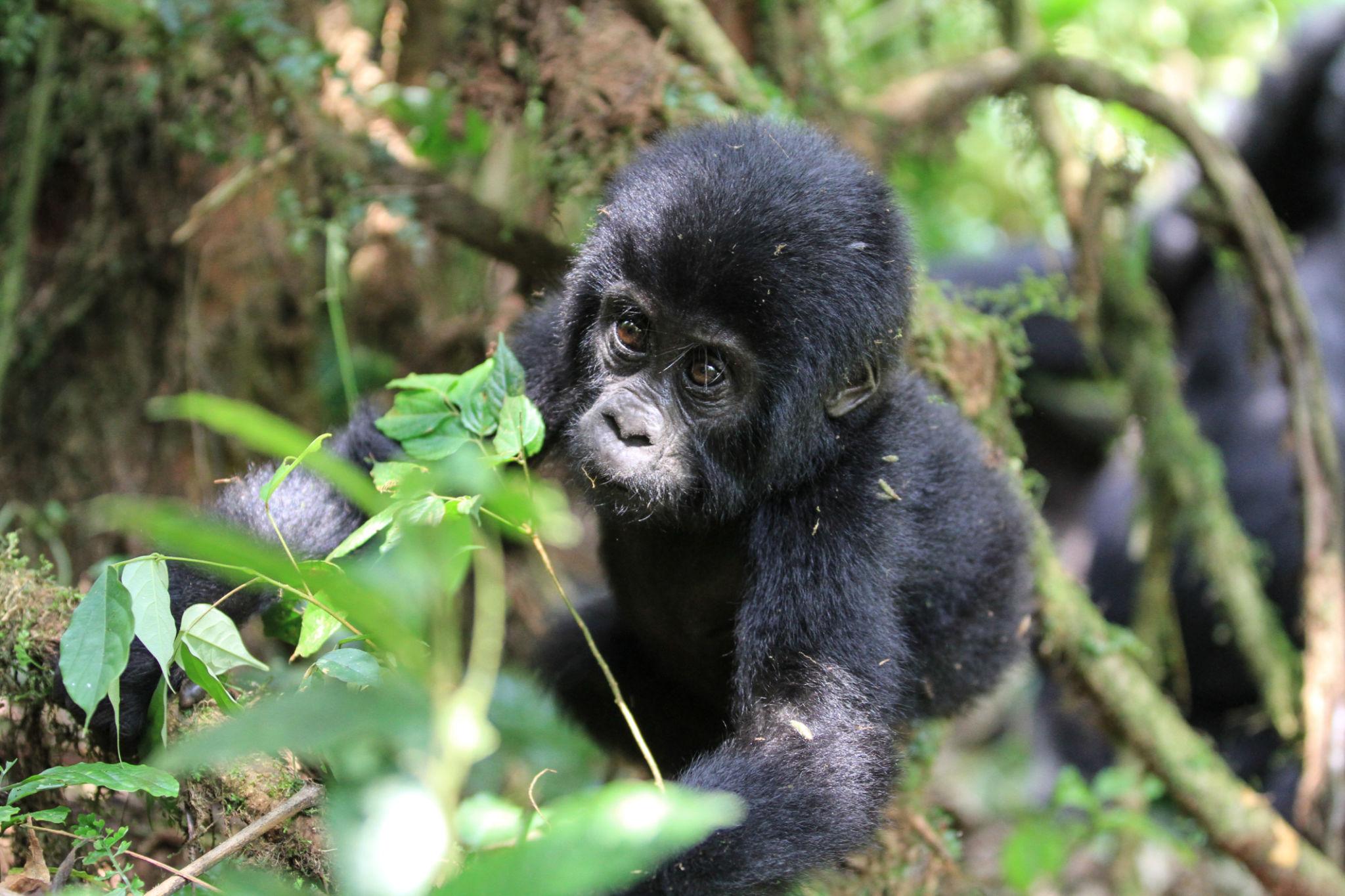
Uganda’s mountain gorilla families are found in two protected national parks.
Bwindi Impenetrable National Park
Bwindi is Uganda’s most famous gorilla trekking destination and a UNESCO World Heritage Site. The park contains the largest number of habituated gorilla families and is divided into four trekking sectors:
Each sector offers unique landscapes, different gorilla families, and accommodation options ranging from budget to luxury.
Mgahinga Gorilla National Park
Located in southwestern Uganda within the Virunga Mountains, Mgahinga offers a quieter gorilla trekking experience with stunning volcanic scenery. Visitors can also enjoy golden monkey trekking and mountain hiking.
How Are Gorilla Groups Assigned?
Every morning before trekking begins, visitors attend a briefing conducted by Uganda Wildlife Authority rangers.
Groups are assigned based on:
- Physical fitness
- Age
- Hiking ability
- Group size
- Permit availability
Some gorilla families require shorter hikes, while others may involve several hours of trekking through steep rainforest terrain.
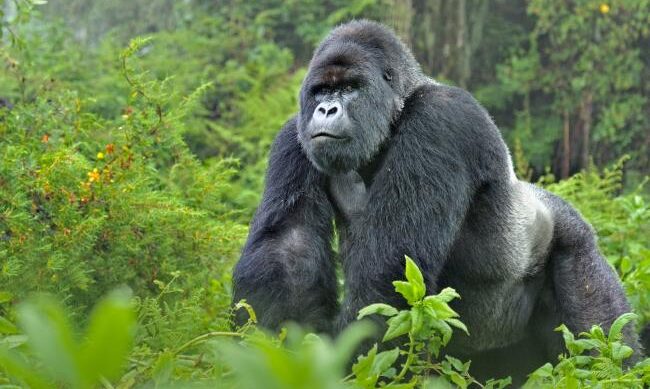
Your guide will match you with the most suitable gorilla family to ensure the best possible experience.
What Happens During the Gorilla Trek?
After the briefing, ranger guides and experienced trackers lead visitors into the rainforest in search of their assigned gorilla group.
The trek may take anywhere from one to six hours, depending on where the gorillas have moved.
Once the family is located, visitors are allowed one unforgettable hour in their presence.
During this time, you may witness:
- Silverbacks protecting the family
- Mothers nursing babies
- Young gorillas climbing trees
- Family members grooming one another
- Feeding and playful interactions
Photography is allowed without flash, and visitors must always follow ranger instructions to ensure the safety of both people and gorillas.
Why Gorilla Permits Are Limited
Because each habituated gorilla group can receive only eight visitors per day, gorilla trekking permits are limited.
Permits often sell out months in advance during the peak travel seasons of:
- June to September
- December to February
Booking early gives travelers the best chance of securing permits in their preferred trekking sector.
Conservation Through Responsible Tourism
Uganda’s gorilla trekking model has become one of the world’s greatest wildlife conservation success stories.
Revenue generated from gorilla permits helps support:
- Anti-poaching patrols
- Veterinary care
- Gorilla monitoring
- Forest protection
- Community development projects
- Conservation research
Local communities also benefit through employment, tourism businesses, handicraft sales, and revenue-sharing programs, creating strong incentives to protect mountain gorillas and their habitats.
Tips for Your Gorilla Trek
To make your adventure more enjoyable:
- Reserve your gorilla permit well in advance.
- Wear waterproof hiking boots.
- Carry drinking water and snacks.
- Dress in long trousers and long-sleeved clothing.
- Hire a porter to assist with steep trails.
- Bring a waterproof jacket.
- Follow all Uganda Wildlife Authority regulations.
Good preparation ensures a safe, comfortable, and memorable trekking experience.
Frequently Asked Questions (FAQs)
How many visitors can see one gorilla group each day?
Only eight visitors are allowed to visit one habituated mountain gorilla group each day.
Why is the number limited?
The limit protects gorillas from disease, minimizes stress, and provides visitors with a more intimate wildlife experience.
How long can visitors stay with the gorillas?
Visitors spend one hour observing the gorilla family after they are located.
Can children participate?
Visitors must generally be 15 years or older to take part in gorilla trekking in Uganda.
Plan Your Gorilla Trek with Berengei Africa Safaris
A gorilla trek is much more than a wildlife excursion—it’s an opportunity to witness one of nature’s greatest conservation success stories. Understanding why only eight visitors can visit a gorilla family each day helps travelers appreciate the careful balance between tourism and conservation.
At Berengei Africa Safaris, we specialize in creating unforgettable gorilla trekking adventures across Uganda. From securing your gorilla permits to arranging comfortable accommodation, expert guides, and personalized safari itineraries, our experienced team ensures every detail is taken care of.
Whether you dream of trekking through the ancient forests of Bwindi Impenetrable National Park or exploring the spectacular landscapes of Mgahinga Gorilla National Park, Berengei Africa Safaris is ready to help you experience one of Africa’s most extraordinary wildlife encounters.