What to Expect on Your First Gorilla Trek
Your first gorilla trek can be one of the most unforgettable wildlife experiences in Africa. However, if you have never trekked gorillas before, you may have many questions. How difficult will the hike be? What happens when you arrive at the park? How long will you spend looking for the gorillas? What should you wear?
These questions are completely understandable.
A gorilla trek is different from a traditional game drive because the gorillas are not viewed from a safari vehicle. Instead, you will enter their natural forest habitat on foot and follow experienced guides and trackers until a habituated gorilla family is located.
For first-time travelers, knowing what to expect can make the experience much more enjoyable.
At Berengei Africa Safaris, your gorilla trekking adventure can be organized with transportation, accommodation, permits, guides, and other safari arrangements handled as part of your itinerary.
What Is a Gorilla Trek?
A gorilla trek involves hiking through the natural habitat of mountain gorillas in search of a habituated gorilla family.
In Rwanda, gorilla trekking takes place in Volcanoes National Park. In Uganda, trekking is conducted in Bwindi Impenetrable National Park and Mgahinga Gorilla National Park.
Unlike animals in a zoo, gorillas move freely through the forest.
Therefore, the location of your gorilla family cannot be known with complete certainty before the trek.
This is one reason why every gorilla trekking experience is different.
1. Your Day Will Start Early
Your first gorilla trek will usually begin early in the morning.
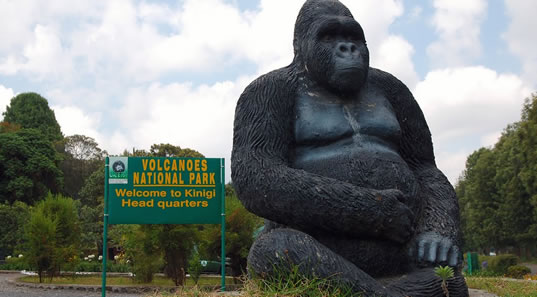
In Rwanda, visitors gather at the Volcanoes National Park headquarters in Kinigi for briefing before being allocated to a gorilla family. Visit Rwanda states that visitors gather at 7:00 AM for briefing and allocation.
An early start is important because the forest is cooler and the trekking experience can take several hours.
Therefore, you should have breakfast early and make sure that everything needed for the trek has been packed the night before.
2. You Will Receive a Briefing
Before entering the forest, you will be given instructions about the trek and how to behave around the gorillas.
The briefing is an important part of the experience.
You will be informed about issues such as keeping a safe distance, following the guide’s instructions, avoiding sudden movements, and respecting the gorillas’ environment.
These rules are designed to protect both visitors and the gorillas.
In Rwanda, gorilla families are closely monitored and tourist contact is strictly regulated.
3. You Will Be Assigned to a Gorilla Family
You will not simply choose any gorilla family on arrival.
A gorilla group will be assigned to you as part of the trekking arrangements.
In Rwanda, group allocation is influenced by factors including fitness levels.
In Uganda, visitors are also allocated to specific gorilla family groups on the day of tracking according to the applicable tracking procedures.
This helps ensure that the trekking experience is appropriately managed.
If you have concerns about your fitness, you should communicate them before the trek.
4. The Hike Can Be Challenging
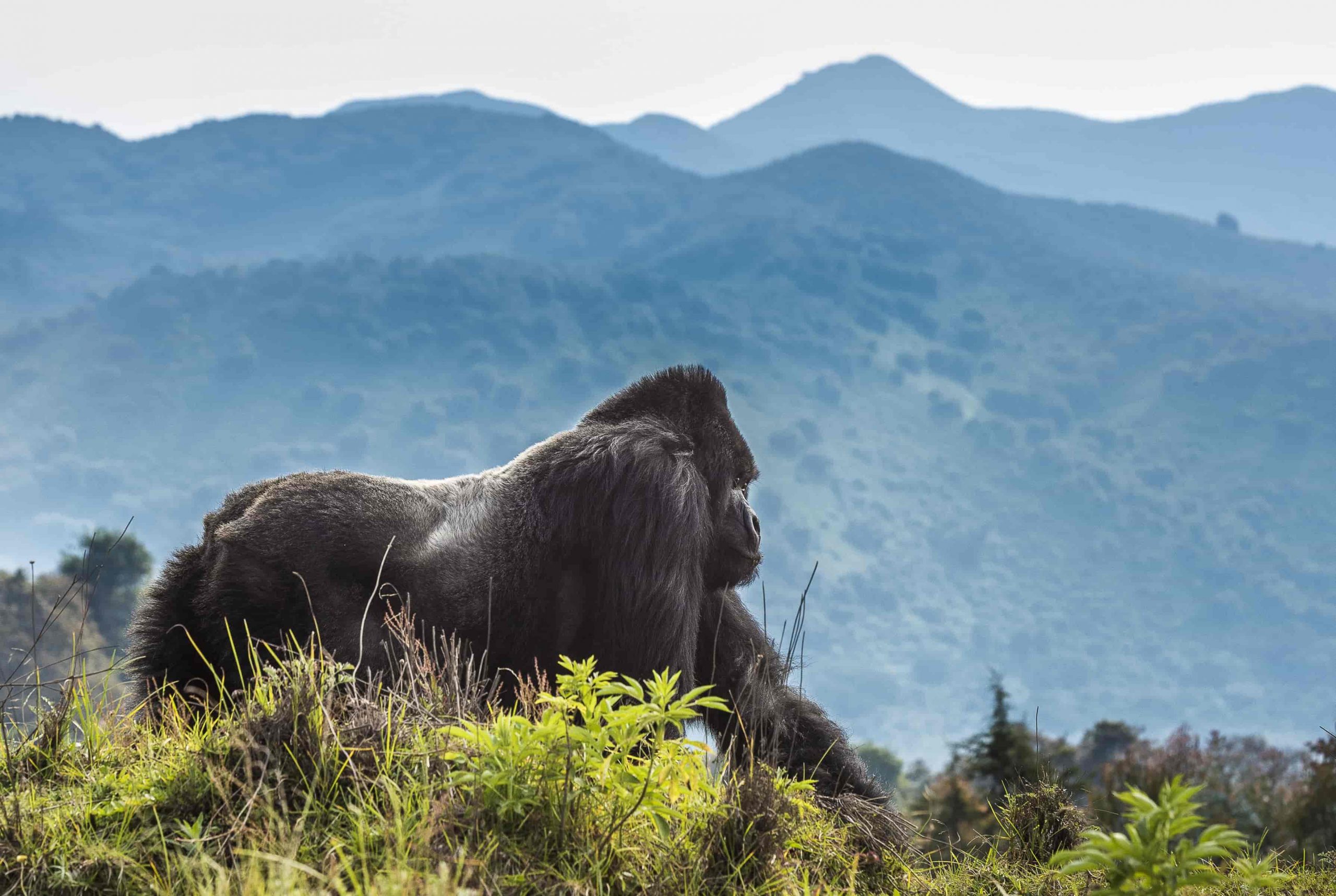
One of the biggest surprises for first-time trekkers is that gorilla trekking is a genuine hiking experience.
You may encounter:
- Steep slopes
- Muddy trails
- Uneven ground
- Thick vegetation
- Tree roots
- Changing weather
- High-altitude conditions
In Uganda, the Uganda Wildlife Authority describes gorilla trekking as requiring moderate fitness, with treks potentially lasting between 2 and 7 hours.
In Rwanda, the length and terrain also depend on where the assigned gorilla family is located.
Therefore, comfortable hiking shoes and reasonable physical preparation are recommended.
5. You May Hire a Porter
If you are worried about carrying your backpack during the trek, a porter can be hired.
A porter can carry your water, camera bag, snacks, and other personal belongings.
This can make the trek more comfortable, especially when steep sections are encountered.
Hiring a local porter can also provide direct economic support to communities surrounding the national parks.
Even travelers who are physically fit may choose to use a porter because carrying less weight can make a long trek easier.
6. The Search for the Gorillas Can Take Time
Once you enter the forest, the search begins.
The trackers will use information about the gorillas’ recent movements to determine where the family is likely to be found.
However, the animals remain wild and mobile.
Therefore, you should not expect the gorillas to be waiting in one specific location.
The trek may be relatively short on one day and considerably longer on another.
This uncertainty is part of the adventure.
7. The Moment You Find the Gorillas Is Incredible
Eventually, your trackers may signal that the gorillas are nearby.
This can be one of the most exciting moments of the entire safari.
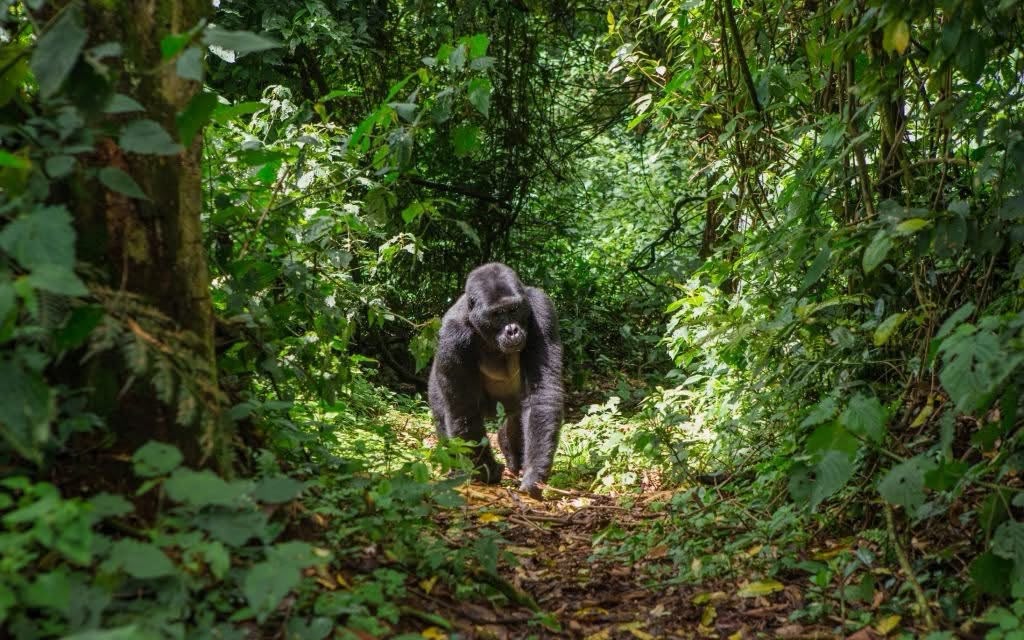
You may suddenly notice movement in the vegetation.
Then, a gorilla may appear.
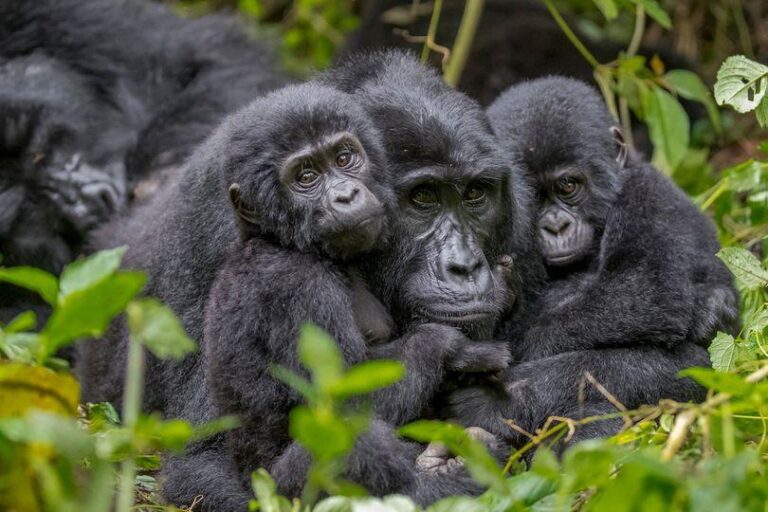
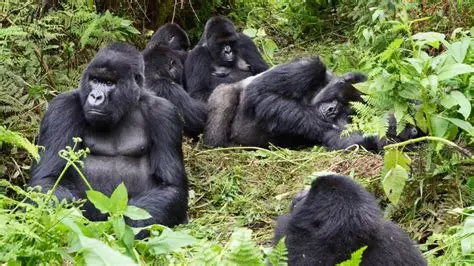
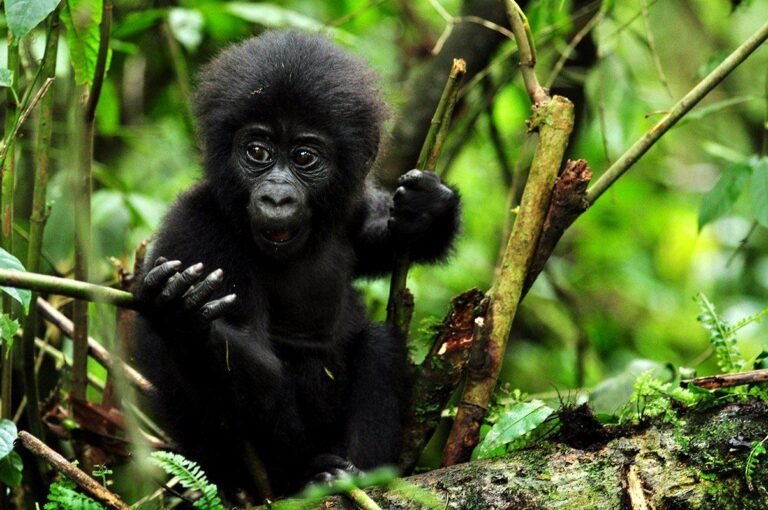
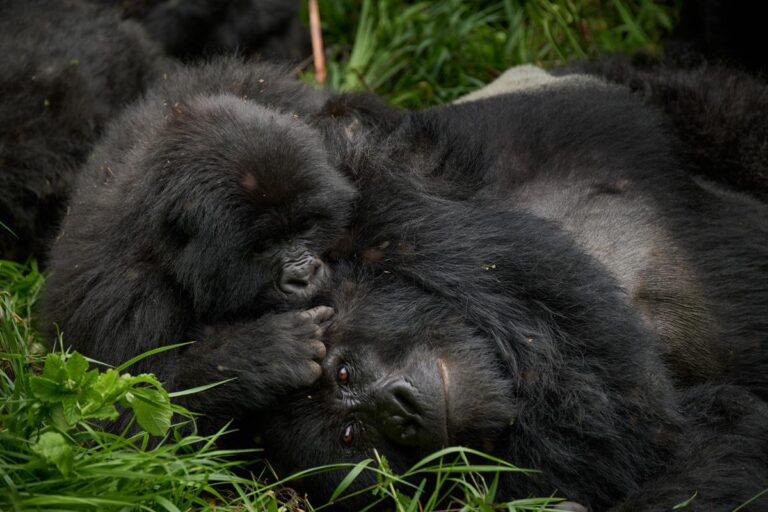
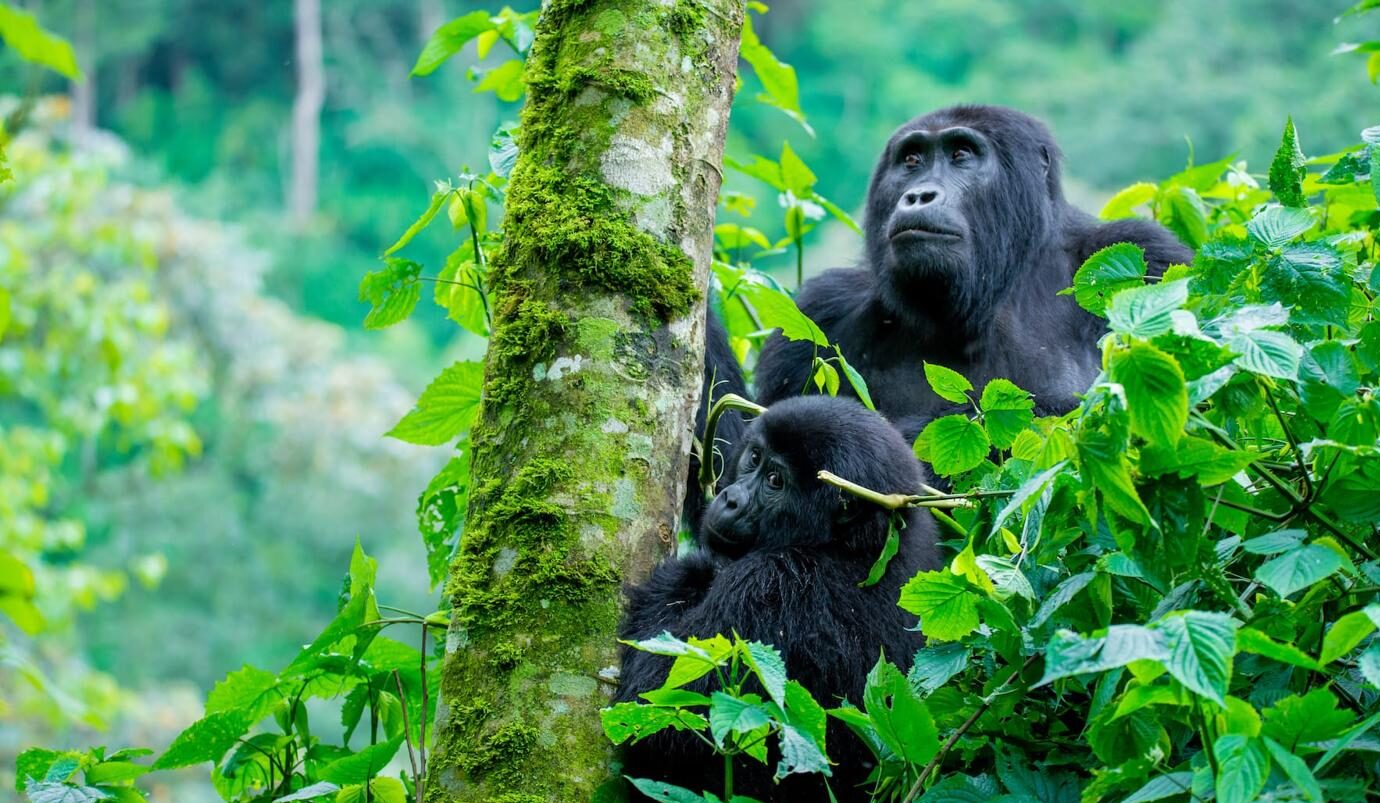
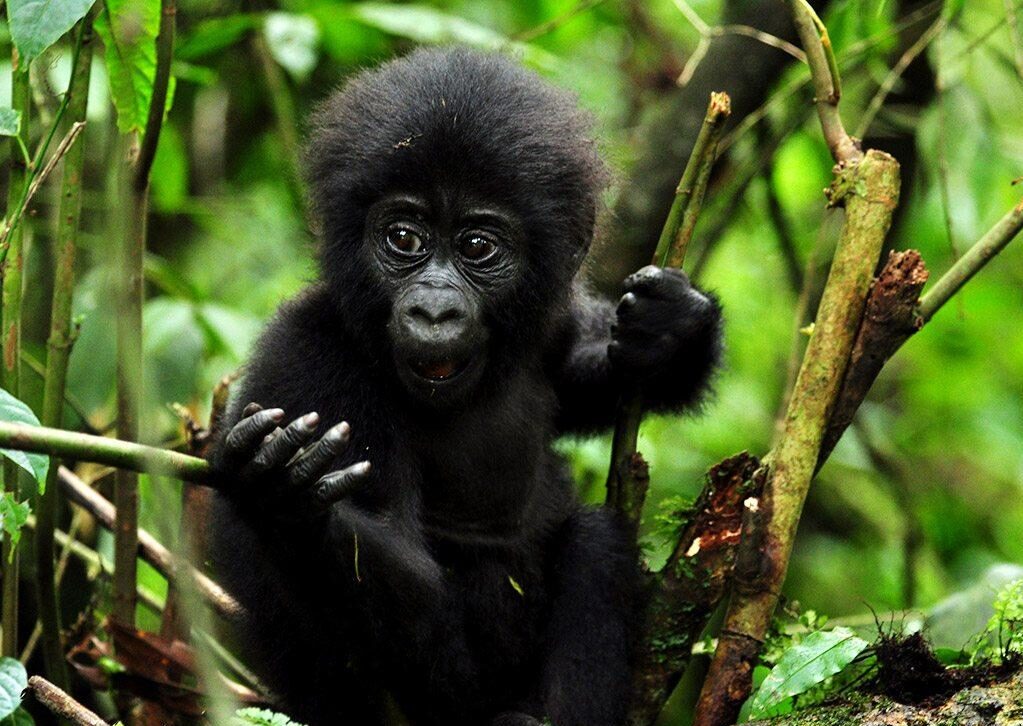
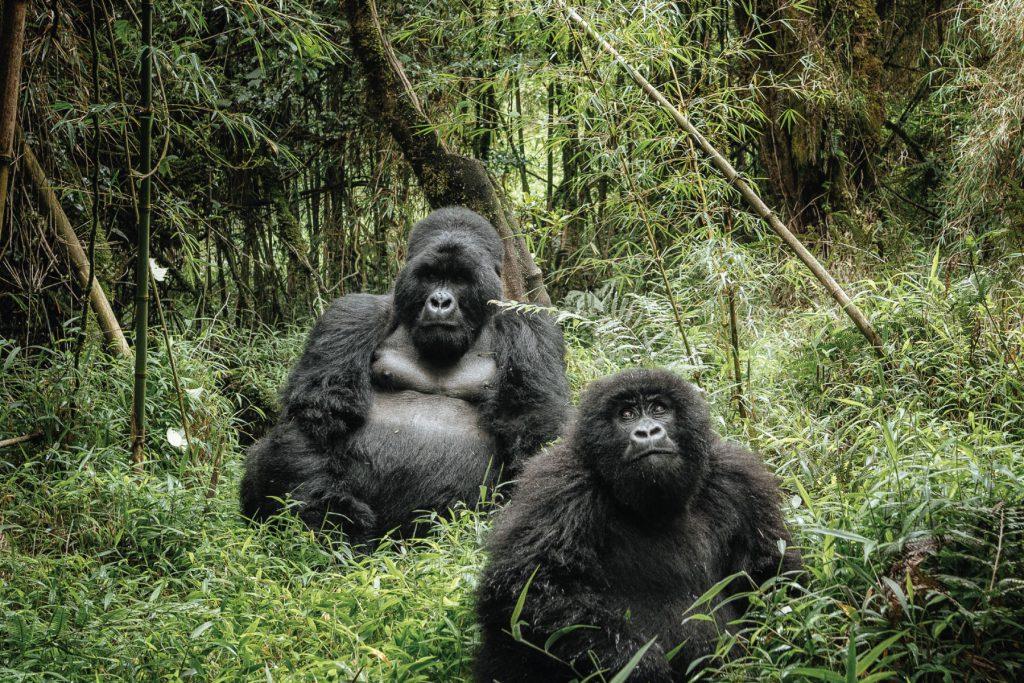
Perhaps it will be a young gorilla playing among the vegetation. A female may be feeding nearby. A silverback may be resting while watching over the family.
Because the encounter happens in the forest, the experience can feel incredibly personal and authentic.
8. You Will Have Limited Time With the Gorillas
Your time with the gorillas is carefully regulated.
In Rwanda, each habituated gorilla group has tourist contact for a strict maximum of one hour per day, with visitor numbers limited.
Therefore, once the gorillas are found, you should make the most of the opportunity.
You can observe their behavior, take photographs according to the rules, and listen to the guides explain the group’s social structure.
The hour can pass surprisingly quickly.
9. You Will Need to Follow the Gorilla Rules
Gorilla trekking is based on responsible wildlife tourism.
You will be expected to follow the instructions of the guides and trackers throughout the encounter.
You should not attempt to touch the gorillas.
You should also avoid making unnecessary noise or leaving anything behind in the forest.
In Rwanda, visitors are encouraged to respect the gorillas’ habitat, maintain appropriate distance, and leave no waste inside the park.
These rules help reduce stress on the animals and protect the forest environment.
10. Your Trek Will End With a Hike Back
After your time with the gorillas, the trek does not immediately end.
You will hike back through the forest to the starting point.
Depending on the route, this return journey can still require considerable effort.
Once you reach the vehicle or park headquarters, however, the sense of achievement can be enormous.
Many travelers find that the physical effort feels worthwhile after experiencing the gorillas at close range.
What Should You Wear for Your First Gorilla Trek?
The right clothing can make a major difference.
For your first gorilla trek, consider packing:
- Waterproof hiking boots
- Long hiking trousers
- Long-sleeved shirt
- Lightweight waterproof jacket
- Hiking or gardening gloves
- Comfortable socks
- Hat
- Insect repellent
- Small backpack
- Reusable water bottle
- Camera
- Extra batteries or power bank
Sturdy walking shoes and protective clothing are recommended for Rwanda because thick vegetation and stinging nettles can be encountered. A lightweight waterproof jacket is also recommended because rain can occur.
How Fit Do You Need to Be?
You do not need to be a professional athlete.
However, a reasonable level of fitness is recommended because the trek can involve several hours of walking through challenging terrain.
Before your safari, regular walking, stair climbing, and hiking can be useful.
If you are concerned about your fitness, discuss it with Berengei Africa Safaris before your trek so that your expectations and arrangements can be properly managed.
What Should You Expect After the Trek?
After returning from the forest, you will normally have time to rest and enjoy a meal at your lodge.
Depending on your itinerary, the afternoon can be kept free for relaxation or additional activities.
For example, a Rwanda itinerary can include a Kigali city tour, cultural experiences, golden monkey trekking, or other activities around Volcanoes National Park.
In Uganda, gorilla trekking can be combined with wildlife experiences in destinations such as Queen Elizabeth National Park, Kibale National Park, or Lake Bunyonyi.
This makes it possible to turn a single gorilla trek into a longer African safari.
Is Your First Gorilla Trek Worth It?
For most travelers, the answer is yes.
A gorilla trek provides much more than a chance to see an endangered animal.
You enter an ancient forest, walk through a remarkable ecosystem, and observe a gorilla family behaving naturally.
The experience can be physically demanding and unpredictable, but that is also what makes it special.
You are not simply visiting an attraction.
You are entering the natural world of the mountain gorillas.
How to Make Your First Gorilla Trek Easier
A few simple preparations can make a significant difference.
Start Preparing Before Your Trip
Walk regularly before traveling.
If possible, practice on hills or stairs.
Wear Comfortable Boots
Your boots should already be broken in before the trek.
Carry Only What You Need
A small backpack is easier to carry than a heavy one.
Hire a Porter
A porter can carry your belongings and make the hike more comfortable.
Carry Rain Protection
Rain can occur in rainforest environments even when the morning starts with sunshine.
Listen to Your Guides
The guides and trackers understand the forest and the gorilla families.
Their instructions should always be followed.
Book Your First Gorilla Trek With Berengei Africa Safaris
Your first gorilla trek should be carefully planned so that you can concentrate on enjoying the experience rather than worrying about logistics.
From obtaining the gorilla permit and arranging accommodation to providing transportation and professional guides, every important part of the safari can be organized in advance.
At Berengei Africa Safaris, you can choose from Rwanda gorilla trekking packages, Uganda gorilla safaris, and longer East African itineraries.
Whether you are planning a short 4-day Rwanda gorilla safari or a longer Uganda wildlife and gorilla adventure, your trip can be customized around your budget, travel dates, accommodation preferences, and interests.
Ready for your first gorilla trek? Contact Berengei Africa Safaris today and let us plan your unforgettable gorilla trekking adventure.
Frequently Asked Questions
Is gorilla trekking difficult for first-time trekkers?
It can be challenging because the terrain may be steep, muddy, uneven, and covered with dense vegetation. A moderate level of fitness is recommended.
How long does a gorilla trek take?
The duration varies according to the location of the gorilla family. In Uganda, the Uganda Wildlife Authority states that treks may last approximately 2–7 hours.
How long can I stay with the gorillas?
In Rwanda, tourists have a maximum of one hour with a habituated gorilla group.
Can I hire a porter?
Yes. Porters can assist by carrying personal belongings and providing support during the trek.
What should I pack for a gorilla trek?
Good hiking boots, long clothing, gloves, rain protection, water, insect repellent, and a small backpack are among the most useful items.
Where can I go gorilla trekking?
Gorilla trekking is available in Rwanda’s Volcanoes National Park and in Uganda’s Bwindi Impenetrable and Mgahinga Gorilla national parks.
Inconclusion Therefore
Your first gorilla trek may involve early mornings, steep trails, muddy paths, changing weather, and several hours of hiking.
However, the reward is extraordinary.
When you finally stand in the forest and watch a mountain gorilla family feeding, playing, resting, or interacting with one another, the effort can quickly be forgotten.
With proper preparation and an experienced safari operator, your first gorilla trekking experience can become one of the most memorable adventures of your life.