Self-Drive vs Guided Safari: Which Is Better?
Choosing between a self-drive vs guided safari is one of the most important decisions to make when planning a wildlife holiday in Uganda. Both options allow you to explore beautiful national parks, watch animals in their natural habitats and discover East Africa’s remarkable landscapes. However, the experience, level of independence, costs and planning requirements can differ considerably.
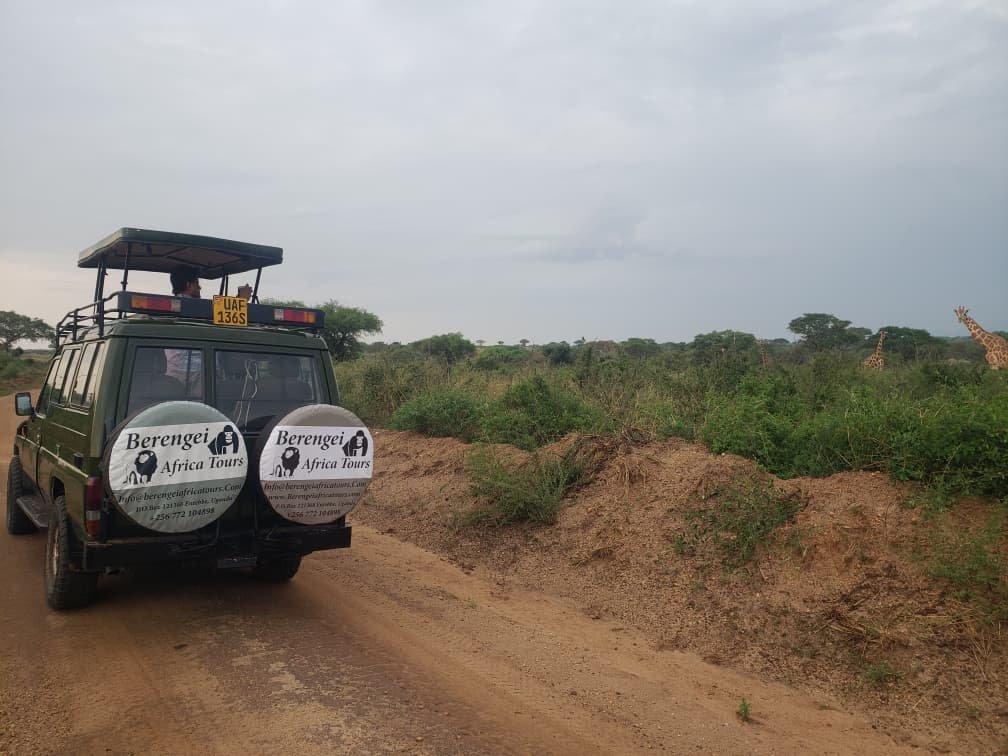
A self-drive safari gives you the freedom to travel at your own pace, choose your stops and manage your own itinerary. In contrast, a guided safari allows you to explore with an experienced driver-guide who understands local roads, wildlife behaviour and the practical details of safari travel.
So, self-drive vs guided safari: which is better? The answer depends on your driving experience, budget, travel dates, preferred activities and the destinations you want to visit. For many first-time visitors to Uganda, a guided safari offers greater convenience and local knowledge. Experienced travelers who enjoy independent travel may prefer the freedom of a self-drive adventure.
In this guide, Berengei Africa Safaris compares both options to help you choose the right safari for your next African adventure.
What Is the Difference Between a Self-Drive and a Guided Safari?
Before deciding which safari is better, it is important to understand how the two options work.
What Is a Self-Drive Safari?
A self-drive safari is a wildlife trip where you rent or use a suitable vehicle and drive yourself between destinations. You plan your route, organize accommodation, manage fuel expenses and arrange park activities according to your preferences.
In Uganda, you can plan a self-drive safari to destinations such as Queen Elizabeth National Park, Murchison Falls National Park and Lake Mburo National Park, provided you meet the relevant requirements and follow park regulations.
This option appeals to independent travelers who enjoy road trips, prefer flexible schedules and feel comfortable driving in unfamiliar environments.
However, independence also comes with responsibility. You must understand the routes, check vehicle condition, organize bookings and allow enough time to travel between destinations. You may also need to arrange local guides or ranger-led activities for particular experiences.
What Is a Guided Safari?
A guided safari is a trip organized with a professional driver-guide or safari guide who helps you explore your destinations. Depending on your package, the tour operator may arrange transportation, accommodation, park entry, activity bookings, meals and other services.
A guided safari is particularly useful when visiting several national parks or combining wildlife viewing with gorilla trekking, chimpanzee tracking, birdwatching and cultural experiences.
For example, a guided Uganda safari could take you from Entebbe to Murchison Falls National Park, continue to Kibale Forest for chimpanzee tracking, and then proceed to Queen Elizabeth National Park for game drives and a boat cruise.
Rather than concentrating on driving and navigation, you can spend more time observing wildlife, taking photographs and learning about the places you visit.
Self-Drive vs Guided Safari: A Quick Comparison
The following table highlights the main differences between the two safari styles.
| Factor | Self-drive safari | Guided safari |
|---|---|---|
| Independence | High; you manage your schedule | Flexible, but coordinated with your guide |
| Driving responsibility | You drive yourself | Your driver-guide handles the driving |
| Wildlife knowledge | Depends on your own experience and any local guides hired | A knowledgeable guide can help identify wildlife and explain its behaviour |
| Planning | You organize routes, bookings and logistics | The operator usually coordinates most arrangements |
| Costs | Can reduce guide-related costs | Often costs more upfront because guiding and services are included |
| Road navigation | Your responsibility | Your driver-guide manages the route |
| Wildlife spotting | Depends on your skills and local conditions | Local knowledge can improve your chances of finding particular animals |
| Best for | Confident, independent travelers | First-time visitors, families and travelers seeking convenience |
| Gorilla trekking | You can drive to the briefing point, but trekking is ranger-led | The operator can coordinate transport, permits and logistics |
| Stress level | Requires active planning and problem-solving | Usually less stressful for the traveler |
Neither option guarantees wildlife sightings or a completely trouble-free trip. The best choice is the one that matches your abilities, expectations and itinerary.
1. Which Safari Is Cheaper: Self-Drive or Guided?
Cost is often the first consideration when comparing a self-drive vs guided safari. Self-driving may reduce the cost of hiring a dedicated driver-guide, but it does not eliminate the major expenses associated with visiting national parks.
A realistic comparison should include vehicle rental, fuel, accommodation, park fees, activities, insurance and any additional guides you may need.
The Cost of a Self-Drive Safari
When planning a self-drive trip in Uganda, budget for the following:
- Rental vehicle suitable for your route.
- Fuel for transfers and game drives.
- Accommodation and meals.
- National park entry fees.
- Boat cruises and other activities.
- Gorilla or chimpanzee permits, if applicable.
- Vehicle insurance, deposits and possible additional charges.
- Emergency expenses and roadside assistance.
The total cost depends on the vehicle, number of travelers, travel dates, accommodation standard and distance covered.
A couple sharing a vehicle may find self-driving attractive because they can divide rental and fuel expenses. However, a solo traveler may find that the savings are smaller because most vehicle-related costs are paid regardless of the number of passengers.
The Cost of a Guided Safari
Guided safari packages often combine several services into one price. Depending on the itinerary, the package may include a vehicle, driver-guide, fuel, accommodation, meals, park fees and selected activities.
Although the initial price can be higher, the package makes it easier to understand your expected expenses before departure.
Before booking, request a clear breakdown of inclusions and exclusions. Check whether gorilla permits, chimpanzee permits, boat cruises, drinks, tips and optional activities are included or charged separately.
Which option saves more money? Self-drive can be cheaper for travelers who are comfortable organizing everything themselves. However, a guided safari can offer better overall value when you consider the time saved, local expertise and convenience of having logistics coordinated.
2. Which Is Safer: Self-Drive or Guided Safari?
Safety is another important factor when deciding between a self-drive and guided safari, especially if you have never visited Uganda or driven in East Africa.
Uganda has paved highways as well as rural roads, gravel roads and rough tracks in some remote areas. Conditions can change with the weather, and journeys between parks may take longer than expected.
Safety on a Self-Drive Safari
Self-driving gives you control over your journey, but you must make decisions about road conditions, navigation, vehicle handling and travel times.
Before leaving, check your rental vehicle, understand its features and confirm that you have the necessary insurance and emergency contacts. Carry a charged phone, navigation tools, drinking water and essential supplies.
Plan to complete long transfers during daylight whenever possible. Avoid rushing to reach a lodge or park gate, and do not assume that a short distance on a map means a quick journey.
Inside national parks, follow official instructions, remain on designated tracks and keep a safe distance from wildlife. Never approach, feed or provoke animals for photographs.
If your vehicle develops a problem, contact your rental provider or relevant park authorities rather than attempting a risky recovery in an unfamiliar area.
Safety on a Guided Safari
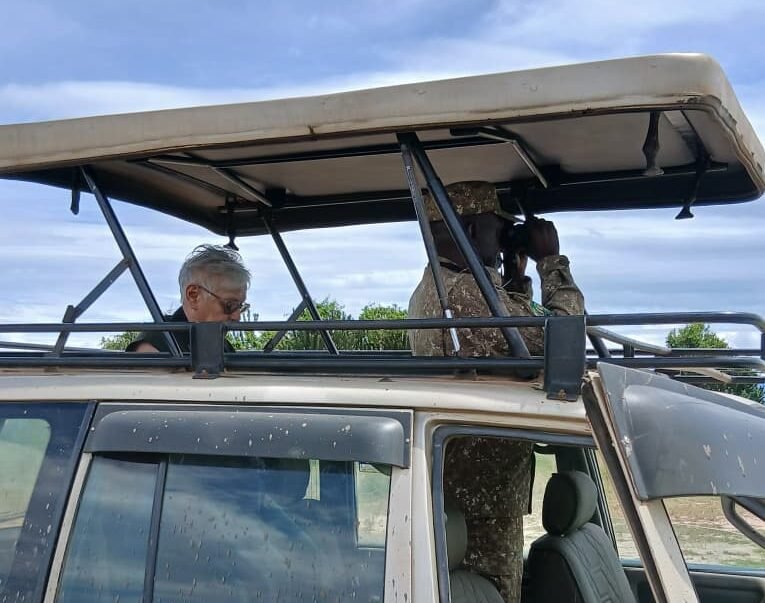
With a guided safari, an experienced driver handles navigation and driving while you concentrate on the experience. A driver-guide familiar with the route may also help you anticipate delays, select appropriate stopping points and respond to changing road conditions.
This can be particularly valuable when traveling between several parks or visiting remote destinations.
Nevertheless, a guided safari is not risk-free. Choose a reputable operator, confirm the vehicle is suitable for your itinerary and ask about insurance, emergency procedures and driver experience.
For most first-time visitors who are unfamiliar with local roads, a guided safari offers a more convenient way to manage the practical challenges of travel.
3. Which Offers Better Wildlife Viewing?
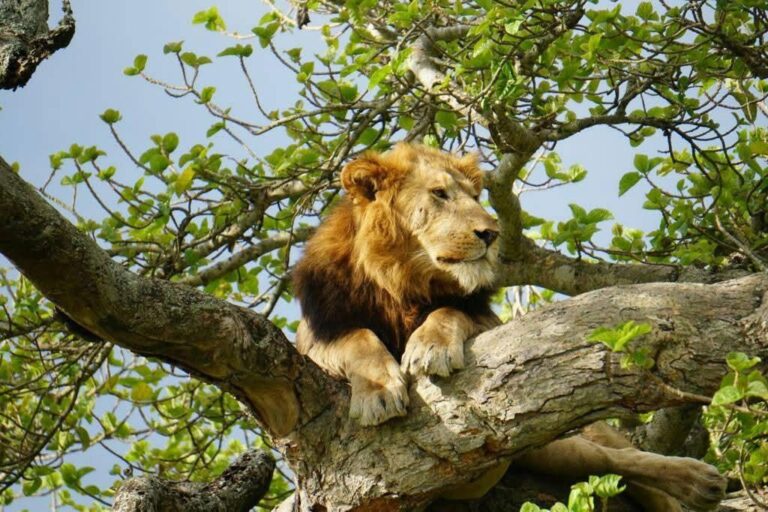
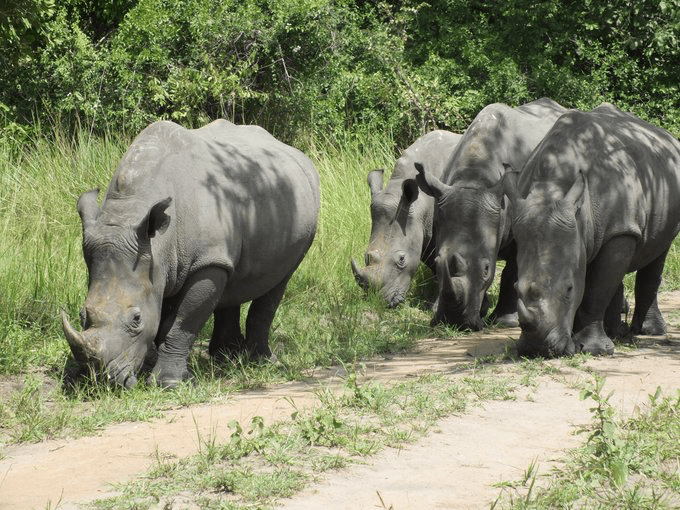
Wildlife viewing is one of the biggest reasons travelers visit Uganda. You may hope to see elephants, lions, buffaloes, giraffes, hippos, antelopes and a wide variety of birds.
The quality of your sightings depends on the destination, season, time of day, animal movements and the experience of the person helping you locate wildlife.
Wildlife Viewing on a Self-Drive Safari
Self-driving gives you the freedom to spend additional time in an area when you spot interesting wildlife. You can stop at permitted viewing points, revisit a route and adjust your pace according to your interests.
However, finding certain animals can be challenging if you do not know the park well. You might drive past tracks or habitats that an experienced guide would recognize as promising places to look.
You must also stay alert to your surroundings while driving, which can make it difficult to observe wildlife continuously.

Wildlife Viewing on a Guided Safari
A knowledgeable guide can help you identify animals, recognize signs of wildlife activity and understand how different species behave.
Guides may also know which habitats and routes are worth exploring at particular times, although sightings can never be guaranteed.
For example, a guide in Queen Elizabeth National Park can explain the difference between the park’s savannah habitats and its wetland environments while helping you search for wildlife. During a boat cruise along the Kazinga Channel, a knowledgeable guide can also help identify birds, hippos and other animals along the water.
For visitors whose priority is learning about wildlife and making the most of limited time, a guided safari often has the advantage.
4. Which Is Better for Gorilla Trekking and Chimpanzee Tracking?
If your main goal is to see mountain gorillas or chimpanzees, the choice between self-drive and guided travel requires additional planning.
You can arrange your own transportation and drive to a designated trekking destination, but the wildlife encounter itself follows official procedures.
Self-Drive for Gorilla Trekking
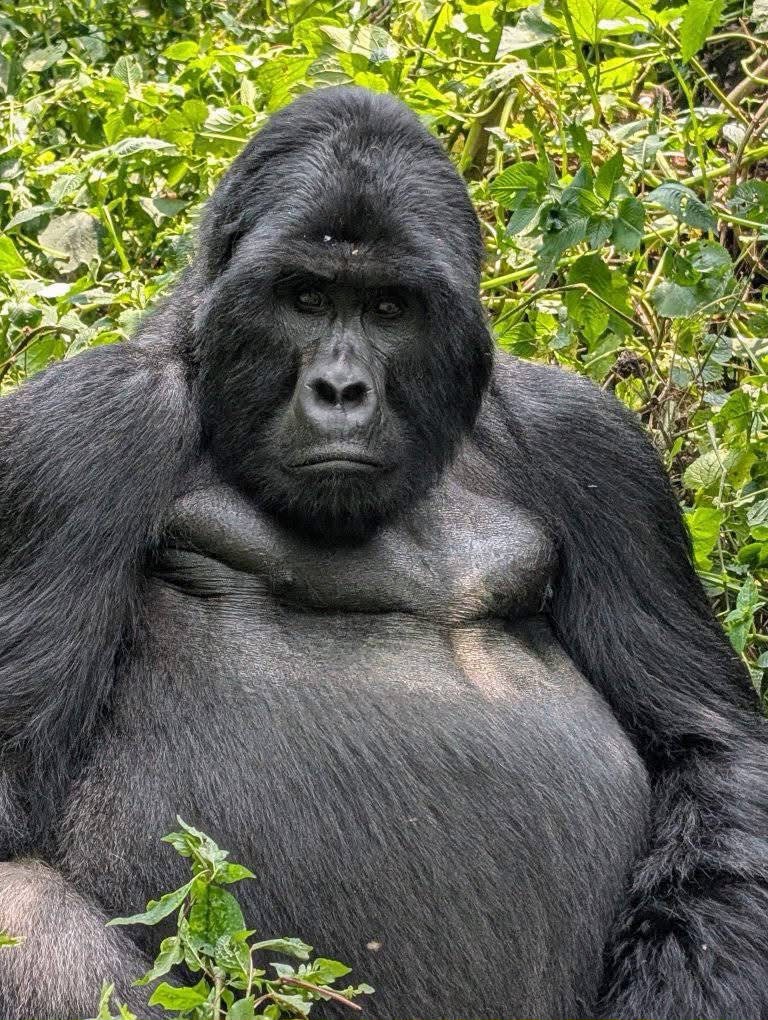
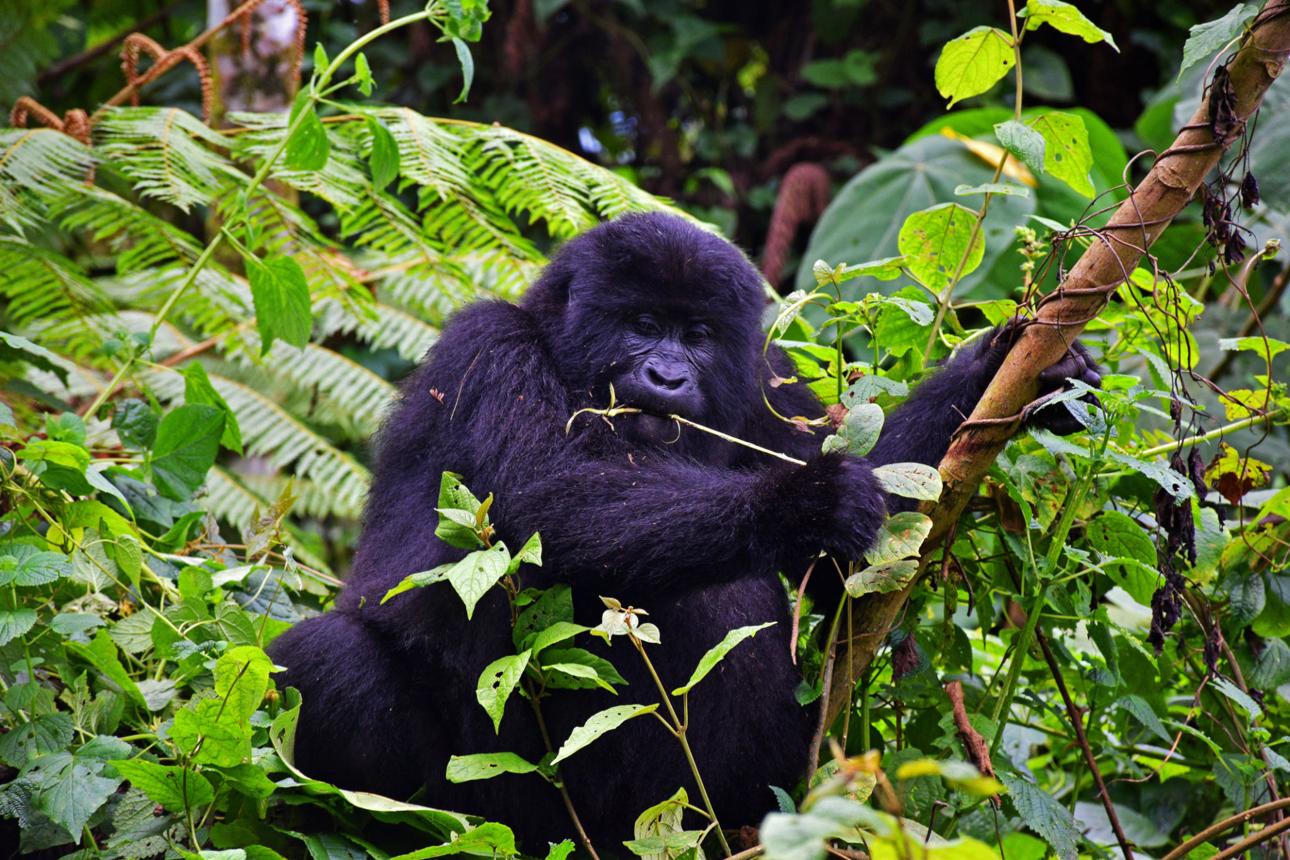
A self-drive traveler can rent a suitable vehicle, travel to Bwindi Impenetrable National Park or Mgahinga Gorilla National Park, and stay at accommodation near the relevant trekking briefing point.
However, gorilla trekking requires an appropriate permit, advance planning and participation in the ranger-led activity. Driving yourself does not mean that you can enter the forest and search for gorillas independently.
You must also ensure that your accommodation, permit location and travel schedule are compatible. Bwindi has different trekking sectors, so booking a lodge far from your allocated briefing point can create unnecessary travel difficulties.
Guided Safari for Gorilla Trekking
A guided safari can simplify the arrangements by coordinating permits, accommodation, transport and the timing of your trek.
This is especially helpful if you are combining gorilla trekking with Queen Elizabeth National Park, Kibale Forest or another destination.
Chimpanzee tracking is also conducted under the applicable park procedures, with guides or rangers leading the activity. A self-drive traveler must still arrange the relevant booking and follow the rules.
If gorilla trekking is the main reason for your trip, a guided safari is often the easier option, particularly if you have limited time in Uganda.
5. Which Safari Gives You More Freedom?
If you enjoy making your own decisions, flexibility may be the strongest reason to choose a self-drive safari.
The Freedom of Self-Driving
A self-drive trip allows you to decide when to depart, where to stop and how to spend your time, within park regulations and your accommodation or activity commitments.
You may choose to spend longer photographing birds, visit a local community, stop at a scenic viewpoint or spend an extra night at a destination you particularly enjoy.
This style is ideal for travelers who dislike tightly scheduled holidays and are happy to manage the details themselves.
However, freedom does not remove practical limits. Park opening times, activity schedules, road conditions, lodge check-in times and permit arrangements can all affect your plans.
Flexibility on a Guided Safari
A guided safari does not have to be rigid. A private safari can often be tailored to your interests, preferred pace, accommodation standard and travel dates.
You can discuss your priorities with your operator before departure and request reasonable adjustments where the itinerary allows.
For example, birdwatchers may want an early start at Mabamba Swamp to search for the Shoebill, while photographers may prefer extra time at a wildlife viewing area.
The key difference is that a guided trip offers flexibility within a coordinated plan, while self-driving places more of the planning and decision-making in your hands.
6. Which Is Better for Families, Couples and Solo Travelers?
Your travel group can influence which safari style offers the best experience.
Families With Children
A guided safari is often a practical choice for families because the driver handles navigation and parents can focus on the children. An operator can also help select suitable accommodation, manage transfer times and plan age-appropriate activities.
Families considering a self-drive trip should think carefully about driving distances, child safety, vehicle arrangements and how comfortable everyone will be during long transfers.

Couples
Couples may enjoy either option. Self-driving can provide independence and privacy, particularly for travelers who already have experience with road trips.
A private guided safari offers a different kind of comfort: you can enjoy wildlife viewing together without one person having to concentrate on driving.
Compare the complete costs for two people rather than assuming that self-drive will always be cheaper.
Solo Travelers
Solo travelers should compare vehicle costs, accommodation prices and any additional fees carefully. Hiring a vehicle and paying for fuel alone can make self-driving less economical than expected.
A guided group safari may provide opportunities to share certain costs, depending on the operator’s arrangements. A private guided safari can be more convenient for travelers who prefer not to manage unfamiliar roads alone.
7. Is Self-Drive or Guided Better for Birdwatching and Photography?
Uganda is a rewarding destination for birdwatching and wildlife photography, but your choice of safari can influence how much you get from the experience.
A self-drive trip may suit experienced birders who already know their target species, can identify habitats and enjoy spending time exploring independently.
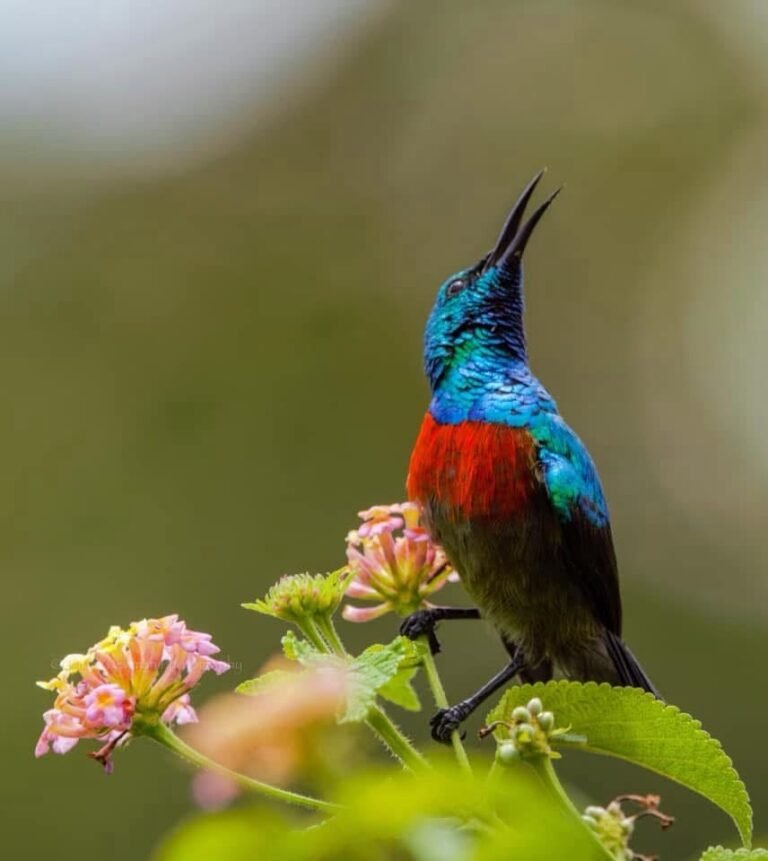
A guided birdwatching safari can be especially valuable for beginners or travelers searching for specific species. A specialist guide can help identify calls, recognize habitats and locate birds that may otherwise be difficult to spot.
For wildlife photography, a guide familiar with the park may help you anticipate animal movements and make the most of the available light. However, no guide can guarantee particular sightings or photographic conditions.
If birdwatching is your priority, ask whether the operator can provide a specialist birding guide rather than assuming every general safari driver has the same level of bird identification expertise.
8. Which Is Better for Remote Parks Such as Murchison Falls and Kidepo?
The distance between destinations is important when planning a Uganda safari.
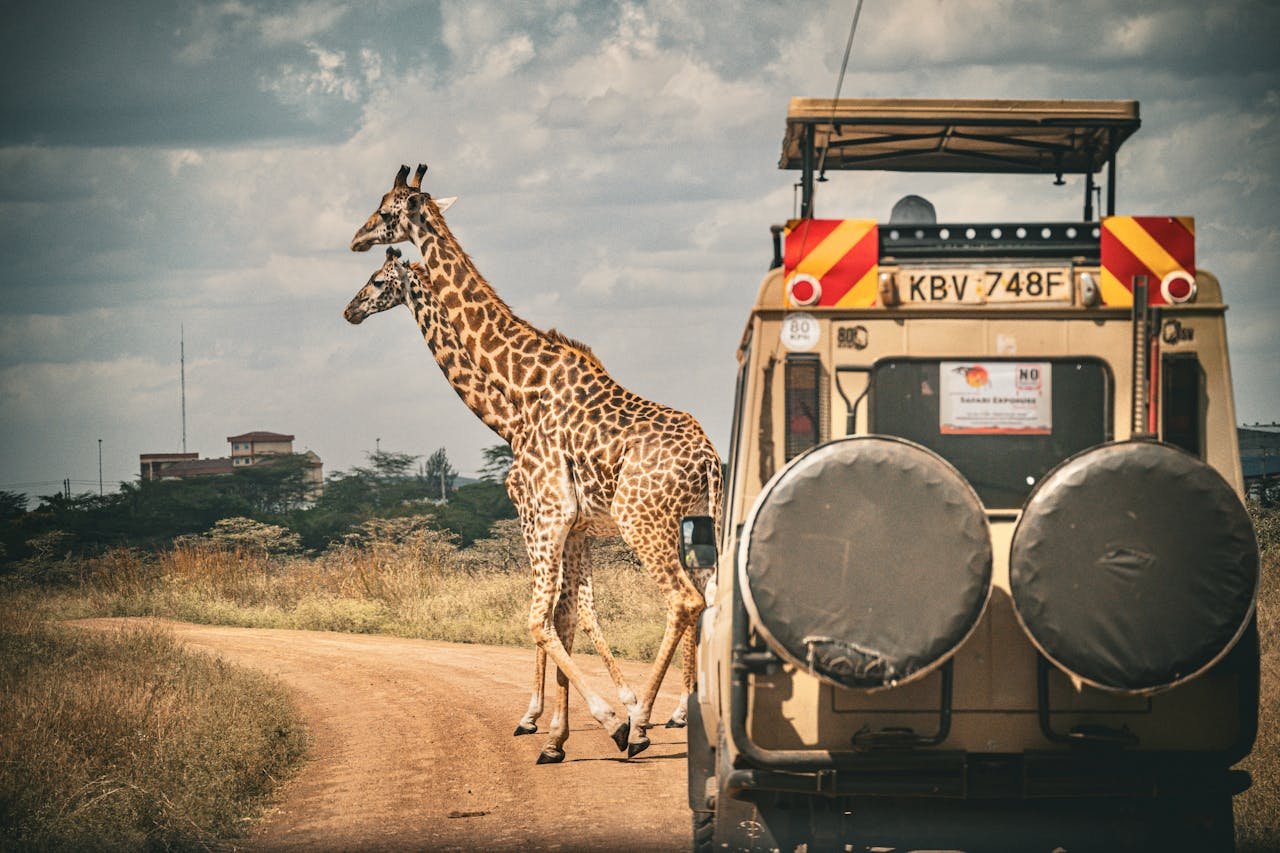
Murchison Falls National Park, Queen Elizabeth National Park and Kidepo Valley National Park offer different landscapes and wildlife experiences. However, some itineraries involve substantial driving, and remote areas may have limited services or unreliable mobile coverage.
A self-drive traveler needs to plan fuel stops, driving times, overnight accommodation, navigation and contingency arrangements carefully.
Kidepo Valley National Park requires particular attention because of its remote location. Travelers should confirm road conditions, vehicle suitability, fuel arrangements and available support before setting out.
A guided safari can reduce the planning burden because an operator familiar with the route can coordinate transfers and advise on realistic schedules.
For a short holiday covering several parks, guided travel can help you make better use of your available time. If you have extensive road-trip experience and a flexible schedule, self-driving may still be suitable with careful preparation.
9. How to Choose the Right Safari for Your Uganda Trip
Rather than choosing solely on price, consider the type of holiday you want.
A self-drive safari may be right for you if you:
- Have a valid driving licence and meet the rental provider’s requirements.
- Are confident driving in unfamiliar environments.
- Have experience with long road trips or rougher road conditions.
- Enjoy organizing accommodation, activities and routes yourself.
- Have enough time to accommodate unexpected delays.
- Prefer independence and control over your daily schedule.
A guided safari may be the better option if you:
- Are visiting Uganda for the first time.
- Want to focus on wildlife rather than driving.
- Have limited time and want a well-coordinated itinerary.
- Plan to combine several parks or remote destinations.
- Want help arranging gorilla or chimpanzee permits.
- Prefer an experienced guide who can interpret wildlife and local culture.
- Are traveling with children or other people who need a more convenient travel arrangement.
Before making your final decision, compare complete itineraries and confirm exactly what each option includes. A low initial price is not necessarily the lowest total cost.
10. Can You Combine Self-Drive and Guided Safari Experiences?
Yes. You do not have to choose only one approach for your entire trip.
Some travelers rent a vehicle to explore towns and easier routes independently, then book guided game drives, birdwatching excursions or trekking activities at specific destinations.
For example, you could organize part of your journey independently and arrange a guided birdwatching excursion at Mabamba Swamp. Alternatively, you could self-drive to a lodge near a national park and book a guided wildlife activity through an authorized provider.
This hybrid approach can offer independence while giving you local expertise for activities where it matters most.
Before booking, confirm whether the activity provider permits the arrangement, whether transport is included and where you need to report for the activity.
Frequently Asked Questions About Self-Drive vs Guided Safari
Is a self-drive safari cheaper than a guided safari?
A self-drive safari can be cheaper because you do not pay for a dedicated driver-guide. However, vehicle rental, fuel, accommodation, park fees, activities and insurance still apply. Compare the full cost of both options before deciding.
Is self-driving in Uganda safe for tourists?
Self-driving is possible, but travelers need to prepare carefully, understand local driving conditions and choose a suitable vehicle. Road conditions vary, particularly in rural areas and around some national parks. Travelers unfamiliar with the country may find a guided safari less stressful.
Do I need a 4×4 for a Uganda self-drive safari?
A suitable 4×4 is advisable for many safari itineraries, particularly those involving rough park tracks, remote destinations or challenging weather conditions. The right vehicle depends on your route and the current road conditions. Confirm the requirements with your rental provider before booking.
Can I visit Uganda’s national parks without a tour operator?
Independent travel is possible in many situations, provided you follow park entry requirements, book the necessary activities and comply with the applicable rules. Certain activities, including gorilla trekking and chimpanzee tracking, require the designated permits and ranger-led procedures.
Is a guided safari worth the extra cost?
For many travelers, yes. A guided safari can provide local expertise, wildlife interpretation, coordinated transport and assistance with bookings. It is particularly useful for first-time visitors, short trips and itineraries covering several destinations.
Which is better for gorilla trekking in Uganda?
Both approaches can work for getting to the trekking destination. However, gorilla trekking itself is conducted under official procedures with authorized guides or rangers. A guided safari can make it easier to coordinate permits, accommodation, transport and briefing times.
Can I see the Big Five on a self-drive safari?
Self-driving can provide opportunities to see wildlife, depending on the parks visited and the animals present. However, sightings are never guaranteed. A knowledgeable guide may help you locate animals and understand their behaviour, but even guided safaris cannot promise that every species will be seen.
Is a guided safari suitable for budget travelers?
Yes. Budget travelers can consider simpler accommodation, shorter itineraries or group departures where available. Compare what is included in each package, as transport, fuel, guiding and activity costs can significantly affect the overall price.
Should I book my safari before arriving in Uganda?
Advance planning is recommended, particularly if you want to trek gorillas or chimpanzees, travel during a busy period or stay at specific lodges. Booking ahead gives you more time to coordinate permits, accommodation and transport.
Inconclusion therefare: Self-Drive vs Guided Safari: Which Is Better?
When comparing self-drive vs guided safari, neither option is automatically the best for every traveler. Self-driving offers independence, control over your schedule and the opportunity to explore at your own pace. However, it requires confidence behind the wheel, careful planning and responsibility for your own logistics.
A guided safari offers convenience, local knowledge and help coordinating transport, accommodation and wildlife activities. It can be particularly valuable for first-time visitors, travelers with limited time and anyone planning a multi-park safari in Uganda.
If you enjoy independent road trips and have the necessary experience, self-drive may be an excellent choice. If you want to concentrate on wildlife, avoid the pressure of unfamiliar roads and make the most of your holiday, a guided safari is often the more practical option.
Plan your Uganda adventure with Berengei Africa Safaris. Whether you are interested in gorilla trekking, birdwatching, wildlife game drives or a multi-destination East African holiday, we can help you explore safari options that match your interests, travel dates and budget.
Contact Berengei Africa Safaris to discuss your itinerary and find the right way to experience Uganda.