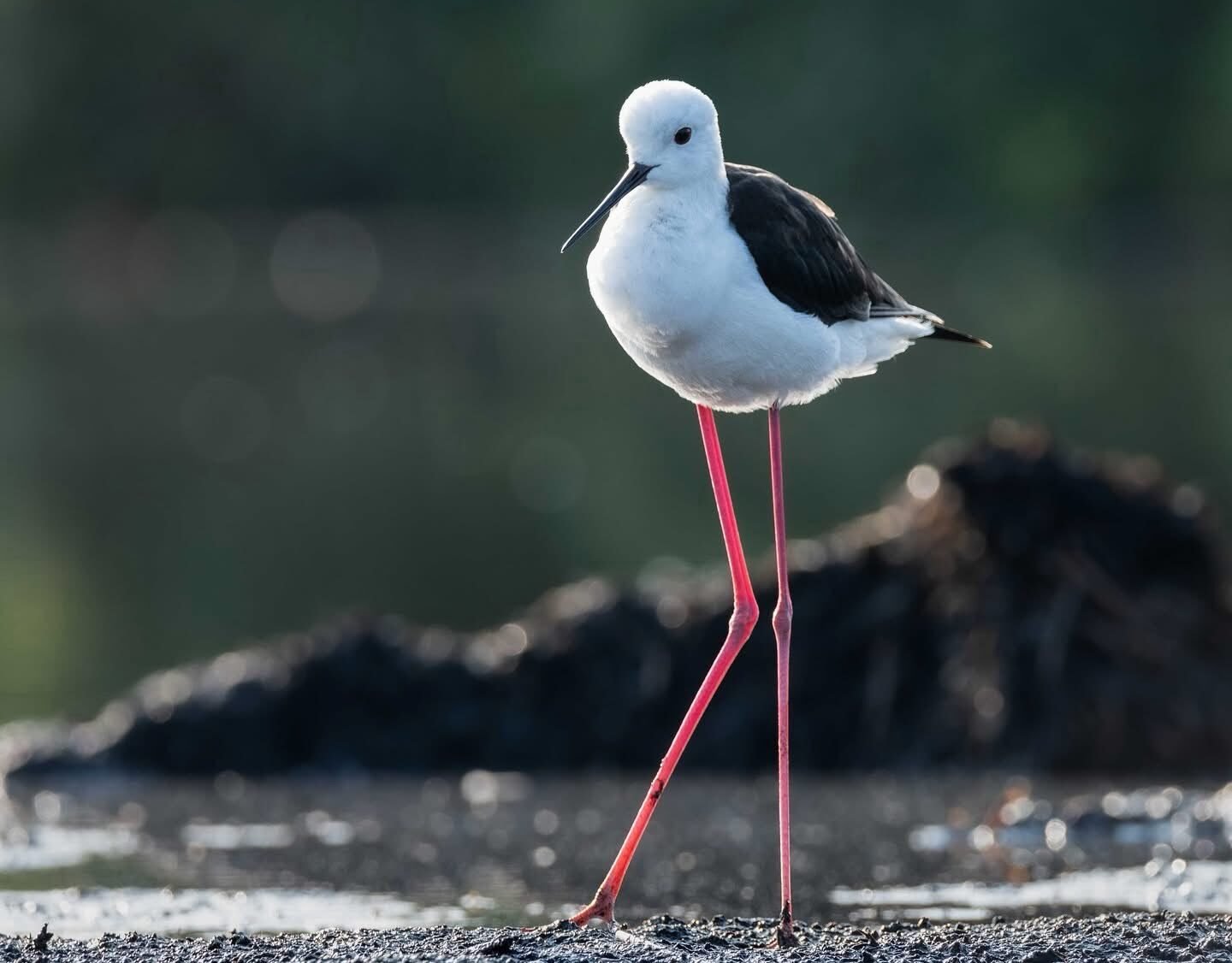
What to Pack for a Birdwatching Safari: Essential Packing List
Knowing what to pack for a birdwatching safari can make the difference between a comfortable wildlife adventure and a tiring trip spent struggling with the weather, equipment or unsuitable clothing. Whether you are exploring Uganda’s tropical forests, searching for the Shoebill in Mabamba Swamp, watching waterbirds along the Kazinga Channel or spotting forest species in Bwindi Impenetrable National Park, the right preparation helps you enjoy every sighting.
At Berengei Africa Safaris, we encourage travelers to prepare for different habitats and changing weather conditions. A successful birdwatching safari does not require carrying everything you own. Instead, focus on essential birding equipment, comfortable clothing, protection from rain and insects, and a few practical travel accessories.
This guide explains what to pack for a birdwatching safari in Uganda, including equipment for beginners, specialist bird photographers and travelers combining birdwatching with gorilla trekking or wildlife game drives.
1. Binoculars: Your Most Important Birdwatching Equipment
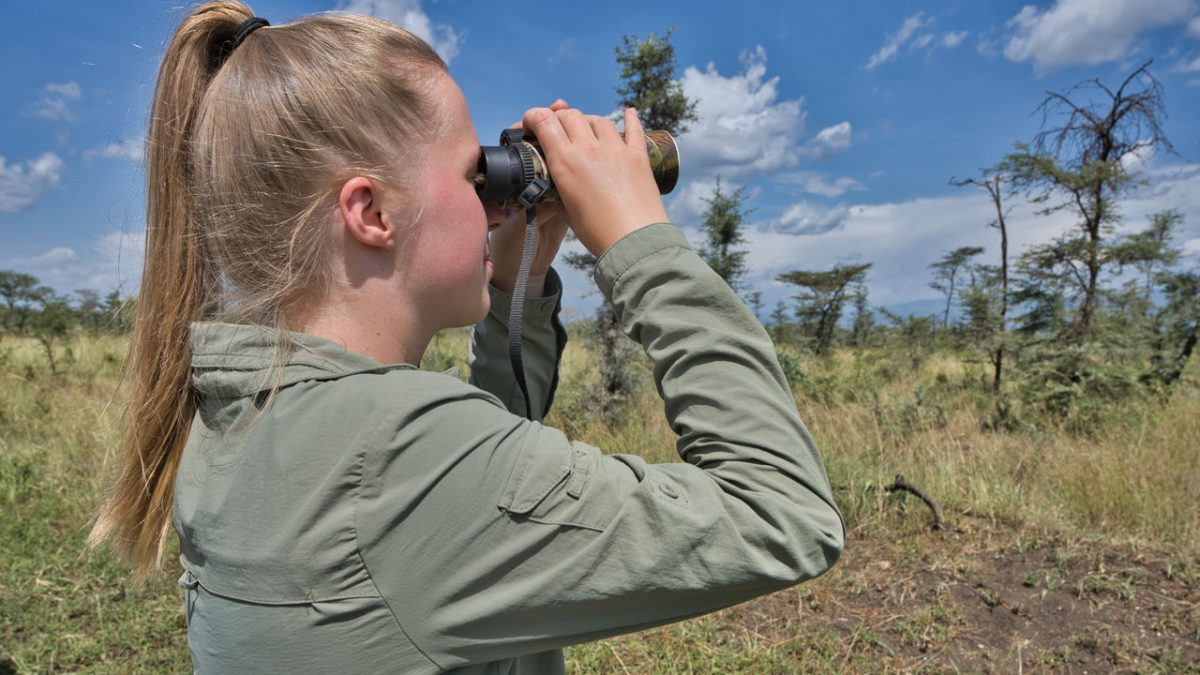
Binoculars should be at the top of your birdwatching packing list. Many birds are difficult to identify with the naked eye, particularly when they are perched high in forest canopies, moving through thick vegetation or feeding among wetland reeds.
For most Uganda birdwatching safaris, 8×42 or 10×42 binoculars are practical choices. They offer a useful balance between magnification, brightness and portability. An 8×42 pair can be especially comfortable for beginners and forest birding because it provides a relatively steady, wide field of view.
Choose binoculars that feel comfortable in your hands and, if possible, have water-resistant construction. Carry them in a protective case or harness to reduce the risk of damage during long walks.
You do not necessarily need expensive professional equipment to begin birdwatching. A reliable pair of binoculars and an experienced local birding guide can help you identify many fascinating species.
2. A Bird Field Guide or Identification App
A field guide helps you identify birds by their appearance, calls, habitat and geographical range. It is particularly useful when comparing similar species or learning the names of birds you encounter during your safari.
Consider packing a field guide covering East African birds. You can also download a bird identification application or digital checklist before traveling.
Digital tools are useful in Uganda’s remote birding destinations, where mobile network coverage may be unreliable. Download the information you need in advance instead of depending entirely on an internet connection.
A notebook and pen are also helpful. Record the species you see, where you spotted them, their behavior and any identifying features. These notes can help you remember the experience long after your safari ends.
3. Comfortable, Neutral-Colored Clothing
Clothing is an important part of deciding what to pack for a birdwatching safari, especially when your itinerary includes forest walks, wetlands and open savannah.
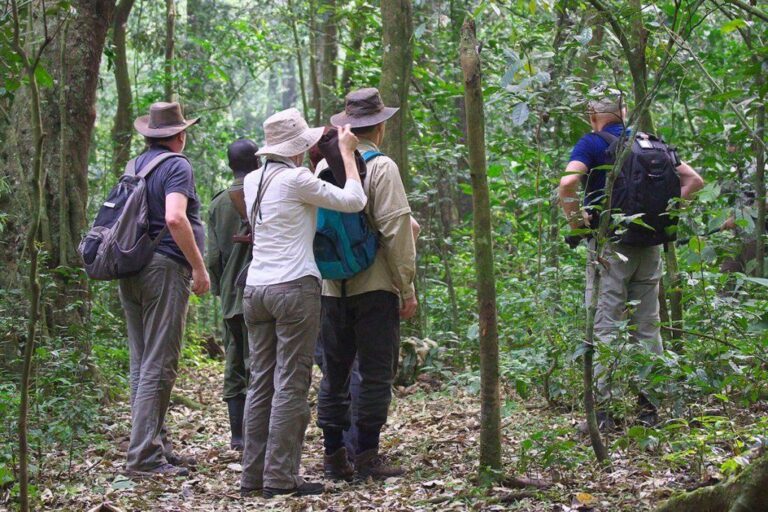
Choose lightweight, breathable clothing in muted colors such as khaki, olive green, brown and grey. These colors blend naturally with many outdoor environments and help you avoid standing out unnecessarily.
Pack the following:
- Lightweight, long-sleeved shirts for sun and insect protection.
- Long, breathable trousers for walking through vegetation.
- Quick-drying clothes for humid conditions or unexpected rain.
- A light fleece or sweater for chilly early mornings.
- Comfortable underwear and socks.
- A wide-brimmed hat or cap.
- Sunglasses for bright conditions.
- A spare change of clothes for longer excursions.
Long sleeves and trousers are particularly useful in forests, where vegetation can brush against your skin. They can also help protect you from biting insects.
Avoid relying entirely on heavy jeans or thick clothing in warm, humid environments. Breathable fabrics are generally more comfortable during long birdwatching sessions.
4. Waterproof Jacket and Protection Against Rain
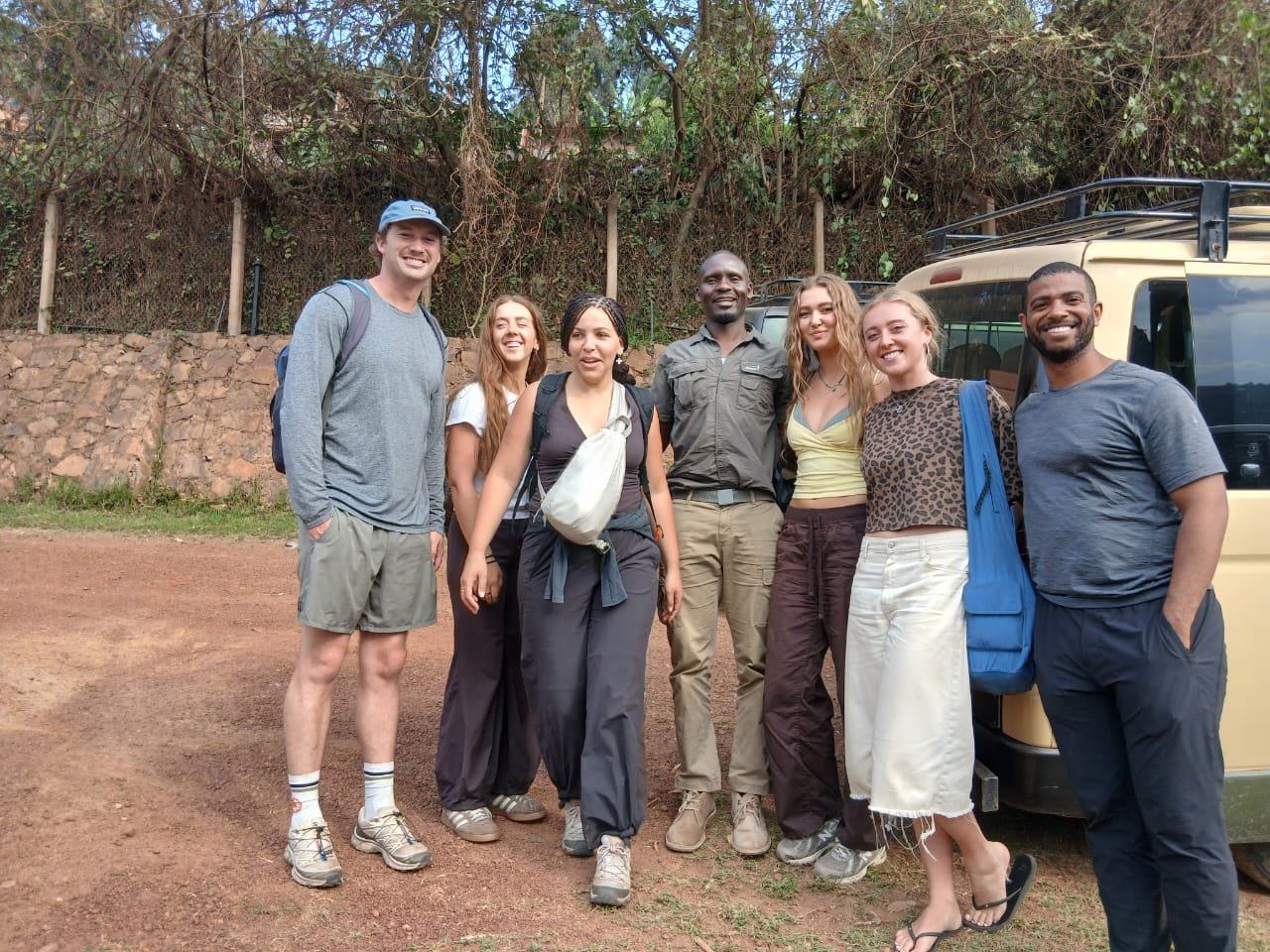
Even if you plan to travel during Uganda’s drier months, pack a lightweight waterproof jacket or rain poncho. Weather can change unexpectedly, particularly in forested and mountainous areas.
A rain jacket is useful when exploring Bwindi Impenetrable National Park, walking through Kibale Forest or taking a boat trip through Mabamba Swamp. Rain protection also helps you remain comfortable when you need to continue birdwatching outdoors.
Consider carrying a small dry bag or waterproof cover for your binoculars, camera, phone and notebook. A waterproof daypack can provide additional protection for your belongings.
Do not assume that a sunny morning guarantees dry weather throughout the day. Preparing for rain allows you to concentrate on the birds rather than worrying about wet equipment.
5. Sturdy Walking Shoes or Hiking Boots
Your footwear should match the destinations on your itinerary. Some birdwatching excursions involve short walks on relatively flat paths, while others require navigating muddy forest trails, uneven ground or wetland edges.
For general birdwatching, pack comfortable walking shoes with good grip. Waterproof hiking boots can be a better choice for forest trails and wet conditions.
Before traveling, wear your shoes several times to make sure they fit properly. New footwear can cause blisters during long walks.
It is also useful to bring:
- Several pairs of comfortable socks.
- A second pair of walking shoes or lightweight shoes where luggage allows.
- Sandals or slip-on shoes for relaxing at your lodge.
- Blister plasters for minor footwear discomfort.
If your birdwatching safari includes gorilla trekking in Bwindi or Mgahinga, ask your tour operator about the specific footwear and clothing recommended for the trek. The terrain and preparation requirements may differ from those of a regular birding walk.

6. Camera, Lenses and Photography Accessories
If you enjoy wildlife photography, a camera can help you capture memorable sightings. However, photography equipment is optional; binoculars remain the priority for most birdwatchers.
Consider packing a camera with a suitable telephoto lens, spare batteries and additional memory cards. A lens-cleaning cloth is useful for removing dust, fingerprints and moisture.
For photography-focused trips, you may also want:
- A protective camera bag.
- A rain cover for your camera.
- A spare battery charger.
- A tripod or monopod where practical.
- Extra memory cards.
- A small dry bag for boat excursions.
A spotting scope can be useful for viewing distant waterbirds and other species in open habitats. Nevertheless, it adds weight and is not essential for every itinerary.
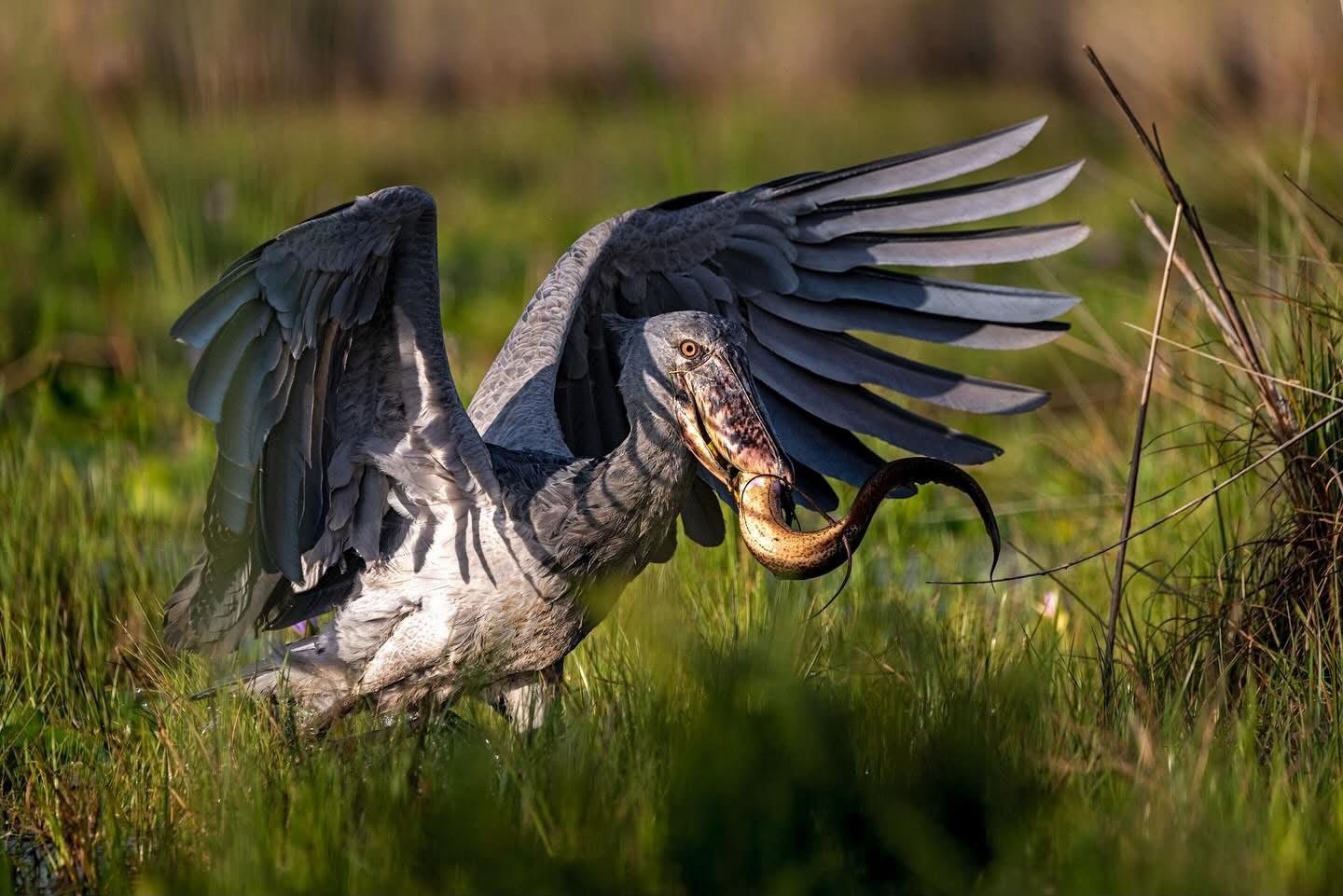
If you are taking a boat trip to search for the Shoebill at Mabamba Swamp, protect your camera and binoculars from splashes and rain. Keep your equipment secure while boarding and leaving the boat.
Remember that a photograph is not always the best way to enjoy a sighting. Take time to observe the bird through your binoculars before reaching for your camera.
7. Insect Repellent, Sunscreen and Personal Care Items
Birdwatching often involves spending several hours outdoors. Wetlands, forests and areas near water may expose you to biting insects, while open habitats can bring strong sunlight.
Pack insect repellent, high-SPF sunscreen, lip balm, sunglasses and a hat. Apply products according to their instructions, especially when spending extended periods outside.
Other useful personal care items include:
- Hand sanitizer.
- Wet wipes or tissues.
- Personal prescription medication.
- A small first-aid kit.
- Blister plasters.
- Personal toiletries.
- Any recommended travel-health supplies.
Before traveling to Uganda, consult a qualified travel-health professional about destination-specific health precautions, including malaria prevention where appropriate.
Carry enough of your regular medication for the entire trip, together with a suitable contingency supply. Some birdwatching destinations are far from major towns and pharmacies.
8. A Lightweight Daypack, Water and Snacks
A comfortable daypack allows you to carry essential items without bringing your main luggage on every excursion.
Choose a small, lightweight bag with enough room for your binoculars, rain jacket, water bottle, notebook, camera accessories and personal essentials. A waterproof cover is helpful during unpredictable weather.
A reusable water bottle is important for staying hydrated, particularly during warm-weather walks and long game drives. Pack snacks if your itinerary involves extended time away from your lodge or vehicle.
Depending on your trip, you may also need a torch or headlamp for early starts before sunrise. Confirm whether meals and drinking water will be provided during full-day birding excursions.
Keep your daypack organized so you can reach your binoculars quickly when your guide spots a bird.
9. Travel Documents, Money and Electronic Accessories
Your birdwatching equipment is only one part of your preparation. You should also organize the documents and accessories needed for international travel and your safari arrangements.
Before departure, prepare:
- A valid passport and any required visa documents.
- Travel insurance information.
- Safari booking confirmation and itinerary.
- Relevant flight and accommodation details.
- Emergency contact information.
- Payment cards and some appropriate local cash.
- A universal or destination-compatible power adapter.
- A power bank and charging cables.
- Copies of important travel documents.
Uganda uses Type G electrical sockets, so travelers whose devices use different plugs should bring a compatible adapter. A power bank is particularly useful when your itinerary includes remote parks or long days in the field.
Keep important documents secure and carry essential items, including travel documents and valuable optics, in your cabin baggage where airline rules permit.
If your safari includes domestic flights, check the airline’s baggage and weight restrictions before packing. Small aircraft can have stricter luggage limits than international flights.
10. What to Pack for Different Birdwatching Destinations in Uganda
The best packing list depends on the habitats you plan to visit. Uganda offers forest, wetland, lake and savannah birdwatching, so your equipment should reflect the activities on your itinerary.
Birdwatching in Mabamba Swamp
Mabamba is well known for Shoebill sightings and wetland birdwatching.
Bring binoculars, a camera if you enjoy photography, a hat, sunscreen, insect repellent and a waterproof bag. A light rain jacket is useful during boat excursions.
Comfortable clothing and secure footwear will help you enjoy the experience, especially when boarding boats or walking around wetland areas.
Birdwatching in Bwindi Impenetrable National Park
Bwindi combines rich forest birdlife with steep trails and frequently changing weather.
Prioritize binoculars, long-sleeved shirts, long trousers, sturdy walking shoes or hiking boots, a rain jacket and a lightweight daypack.
Early mornings can feel cool, so pack an additional warm layer. If you are combining birdwatching with gorilla trekking, follow your operator’s advice on the additional equipment required for the trek.
Birdwatching in Kibale Forest
Kibale offers opportunities to explore forest birdlife alongside its famous primate experiences.
Bring binoculars, comfortable walking shoes, long clothing, insect repellent and rain protection. A field guide or offline bird identification app can help you keep track of species seen along forest trails.
Birdwatching in Queen Elizabeth National Park
Queen Elizabeth National Park combines savannah, woodland, wetlands and the Kazinga Channel.
Pack binoculars, a camera, sunscreen, a hat, drinking water and neutral-colored clothing. If your itinerary includes a boat cruise, keep electronic equipment protected from splashes and sudden rain.
A spotting scope may be useful for serious birders interested in distant waterbirds, but it is optional for most visitors.
11. What Should Beginners Pack for a Birdwatching Safari?
If this is your first birdwatching safari, you do not need to purchase every item used by professional birders.
Start with binoculars, comfortable neutral-colored clothing, suitable walking shoes, a rain jacket, insect repellent, sunscreen, water and a small daypack. A notebook or bird identification app can help you learn as you travel.
A camera is optional. You can enjoy observing and identifying birds without owning specialist photography equipment.
Most importantly, consider traveling with a knowledgeable local guide. A guide can help you recognize bird calls, locate species that are difficult to see and understand the habitats you visit.
Berengei Africa Safaris can help you plan a birdwatching itinerary around your interests, preferred destinations and travel dates.
12. What Not to Pack for a Birdwatching Safari
Packing carefully also means leaving unnecessary items behind. Heavy luggage can make transfers between parks more difficult and may be a problem on domestic flights with limited baggage allowances.
Avoid packing:
- Excessive clothing that you are unlikely to wear.
- Uncomfortable or brand-new hiking shoes.
- Bulky equipment you do not know how to use.
- Unprotected cameras, binoculars and electronic devices.
- Strongly scented products when simpler alternatives are available.
- Unnecessary valuables or expensive jewelry.
Avoid wearing camouflage clothing in Uganda unless you have confirmed that it is permitted and appropriate; camouflage is associated with military use and is best avoided by ordinary visitors.
Do not pack live bait or rely on playback of bird calls to attract wildlife. Follow your guide’s instructions and observe birds responsibly without disturbing them.
The aim is to arrive prepared, travel comfortably and spend more time enjoying the birds than managing your luggage.
Frequently Asked Questions About What to Pack for a Birdwatching Safari
What is the most important item to pack for a birdwatching safari?
Binoculars are one of the most important items because they help you observe birds at a distance and identify their markings. Comfortable walking shoes, a rain jacket and suitable clothing are also essential for many Uganda birdwatching trips.
What clothes should I wear on a birdwatching safari in Uganda?
Choose lightweight, breathable clothing in neutral colors such as khaki, olive green, brown and grey. Long-sleeved shirts and long trousers provide useful protection from insects, sunlight and vegetation. Add a warm layer and waterproof jacket for cool mornings and rainy conditions.
Do I need binoculars for birdwatching in Uganda?
Yes, binoculars are strongly recommended. They make it easier to observe birds in forests, wetlands and open habitats. An 8×42 or 10×42 pair is a practical option for many travelers.
Should I bring a camera on a birdwatching safari?
A camera is optional but useful if you want to photograph birds. Bring spare batteries, memory cards, a cleaning cloth and rain protection. You can still enjoy an excellent birdwatching experience with binoculars and a knowledgeable guide.
What should I pack for a Shoebill safari at Mabamba Swamp?
Pack binoculars, a hat, sunscreen, insect repellent, drinking water and a waterproof bag for your electronics. A camera is useful for photography, while a lightweight rain jacket helps protect you from unexpected showers during the boat trip.
Do I need hiking boots for a birdwatching safari?
Not for every itinerary. Comfortable walking shoes with good grip may be sufficient for easier routes, while waterproof hiking boots are useful for muddy forest trails and wet conditions. Check your itinerary before choosing footwear.
Can I combine birdwatching with gorilla trekking in Uganda?
Yes. You can combine birdwatching with gorilla trekking in Bwindi Impenetrable National Park or other suitable destinations, depending on your route and available time. You will need suitable walking footwear, long clothing, rain protection and the equipment recommended for each activity.
What is the best bag for a birdwatching safari?
A lightweight daypack with comfortable straps and a waterproof cover is a practical choice for daily excursions. Keep binoculars, water, rain protection and essential personal items accessible. If you are taking domestic flights, confirm the operator’s luggage requirements before departure.
Is birdwatching in Uganda possible throughout the year?
Yes, birdwatching is possible throughout the year, although weather, bird activity and the species you want to see can vary by season. Discuss your target birds and travel dates with your safari operator so that your route and packing list match your plans.
Conclusion: Prepare Well for Your Birdwatching Safari
Knowing what to pack for a birdwatching safari helps you prepare for Uganda’s varied habitats, from the wetlands of Mabamba Swamp to the forests of Bwindi and the savannahs of Queen Elizabeth National Park.
Prioritize binoculars, comfortable walking shoes, neutral-colored clothing, rain protection, insect repellent, sunscreen and a lightweight daypack. Add photography equipment, a field guide and other accessories according to your interests and itinerary.
Above all, avoid overpacking. The right equipment, a well-planned route and an experienced guide can make your birdwatching adventure more comfortable and rewarding.
Ready to plan your birdwatching safari in Uganda? Contact Berengei Africa Safaris to organize a trip tailored to your target bird species, preferred destinations, travel dates and budget. Whether you want to search for the Shoebill, explore Albertine Rift forest birds or combine birdwatching with gorilla trekking and wildlife safaris, we can help you plan your East African adventure.
Book your birdwatching safari with Berengei Africa Safaris and prepare to discover Uganda’s remarkable birdlife.