Best Time for Gorilla Trekking in Uganda
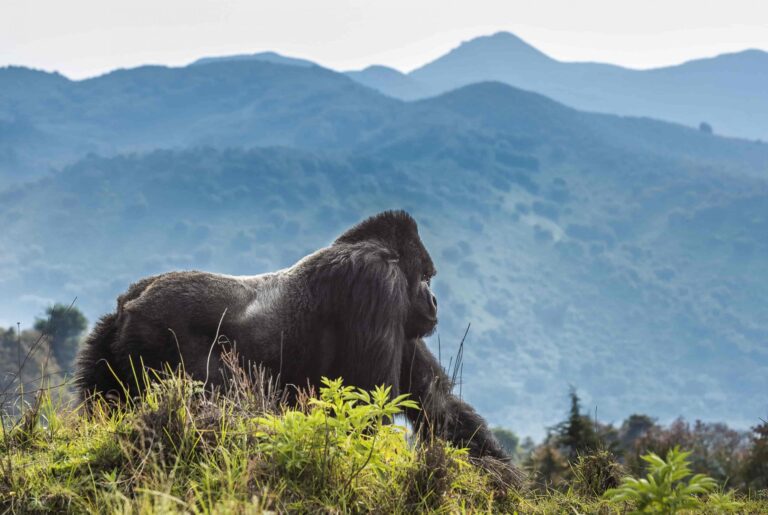
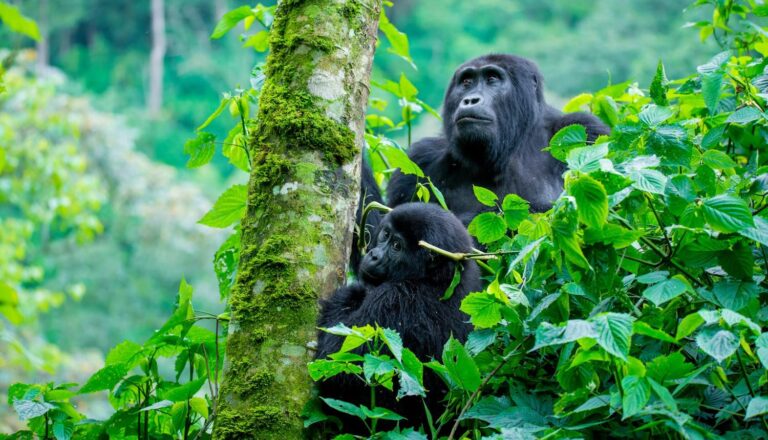
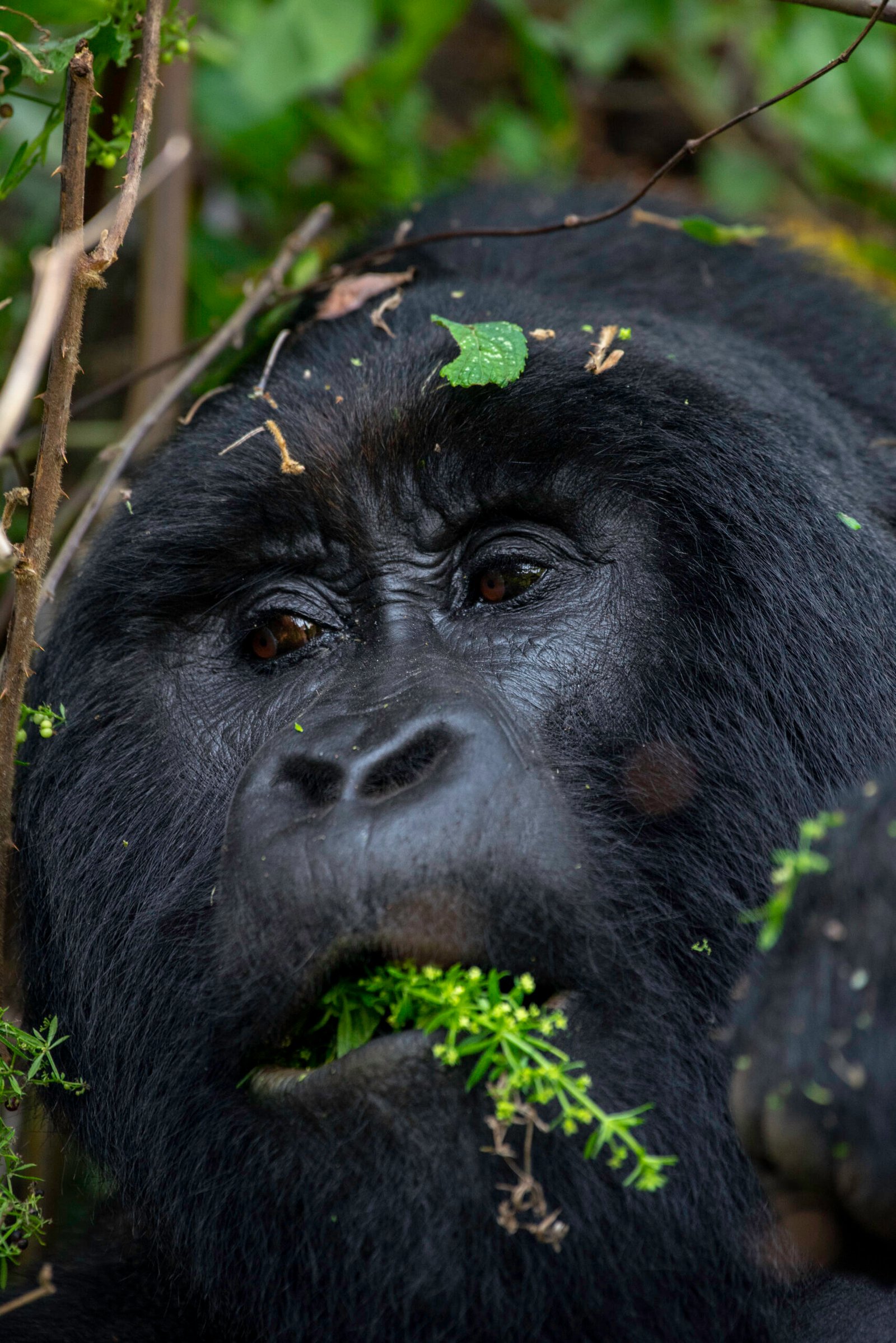
Uganda is one of the best destinations in Africa for unforgettable mountain gorilla encounters. However, before planning your adventure in Bwindi Impenetrable National Park or Mgahinga Gorilla National Park, one important question deserves attention: when should you visit? Understanding the best time for gorilla trekking in Uganda can help you enjoy better hiking conditions, beautiful forest scenery and a more comfortable experience.
Uganda experiences two main seasons: the dry season and the wet season. Each offers different opportunities for travellers interested in meeting endangered mountain gorillas in their natural habitat. While the dry season is generally preferred because of its easier trekking conditions, the wet season also has several advantages, especially for travellers looking for greener landscapes and a quieter safari experience.
So, which season should you choose? Let’s compare both seasons and help you make the right decision for your gorilla trekking safari.
Understanding Uganda’s Dry and Wet Seasons
Uganda lies along the Equator, giving it a tropical climate with relatively warm temperatures throughout the year. However, rainfall varies across different regions, particularly in the mountainous forests of southwestern Uganda where mountain gorillas live.
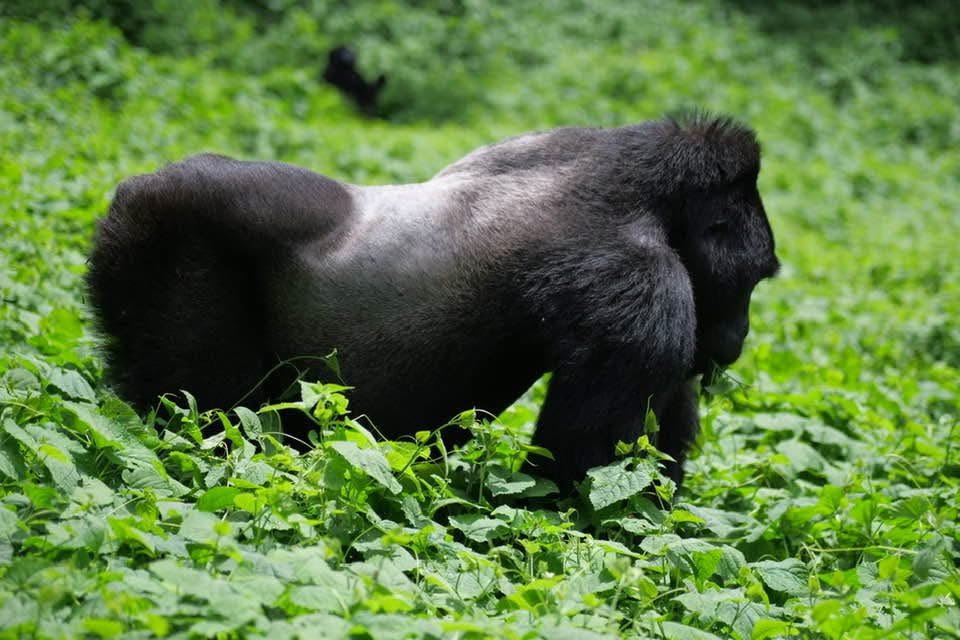
Generally, Uganda experiences two dry periods and two rainy periods.
Dry season:
- June to September – the long dry season.
- December to February – the short dry season.
Wet season:
- March to May – the long rainy season.
- October to November – the short rainy season.
Although these periods provide a useful guide, Bwindi is a tropical rainforest. Therefore, rainfall can occur even during the dry months. Nevertheless, understanding these seasonal changes helps you prepare for the conditions you may encounter during your trek.
1. Gorilla Trekking During the Dry Season
The dry season is generally considered the best time for gorilla trekking in Uganda, particularly for travellers who prefer hiking through forests with relatively firm and less slippery trails.
During this period, rainfall is usually lower, making it more comfortable to navigate Bwindi’s steep slopes, narrow forest paths and thick vegetation. Furthermore, the reduced rainfall can make photography and outdoor activities more enjoyable.
Advantages of Gorilla Trekking During the Dry Season
Easier hiking conditions
One of the biggest advantages of visiting during the dry season is the condition of the trekking trails. Since there is generally less rainfall, the ground is firmer and less muddy. Consequently, walking through the forest can be more manageable, especially for travellers who are not accustomed to hiking on steep terrain.
Better conditions for photography
The dry season often provides more favourable opportunities for photography. Although Bwindi’s forest remains misty and shaded, reduced rainfall can make it easier to capture photographs of mountain gorillas, birds and the surrounding vegetation.
Combining gorilla trekking with other safari activities
Another advantage is that the dry season is suitable for combining gorilla trekking with other Ugandan adventures. For example, you can visit Queen Elizabeth National Park for game drives and boat cruises, explore Kibale Forest for chimpanzee tracking or travel to Murchison Falls National Park to experience the powerful River Nile.
This makes the dry season an excellent choice for travellers planning a longer Uganda wildlife safari.
Disadvantages of the Dry Season
Despite its advantages, the dry season comes with a few challenges.
Firstly, it is a popular travel period, meaning accommodation and safari packages can attract higher demand. Secondly, gorilla trekking permits can become difficult to secure during busy travel months, particularly July and August.
Therefore, travellers planning to visit during the peak season should arrange their permits and accommodation well in advance.
Best Months for Dry Season Gorilla Trekking
June, July, August and September are excellent months for visiting Bwindi. Similarly, December, January and February offer another favourable window.
If you prefer a combination of relatively good trekking conditions and potentially less competition for accommodation than the busiest holiday periods, consider June or September.
2. Gorilla Trekking During the Wet Season
Would you avoid visiting Uganda simply because it is raining? You might want to reconsider.
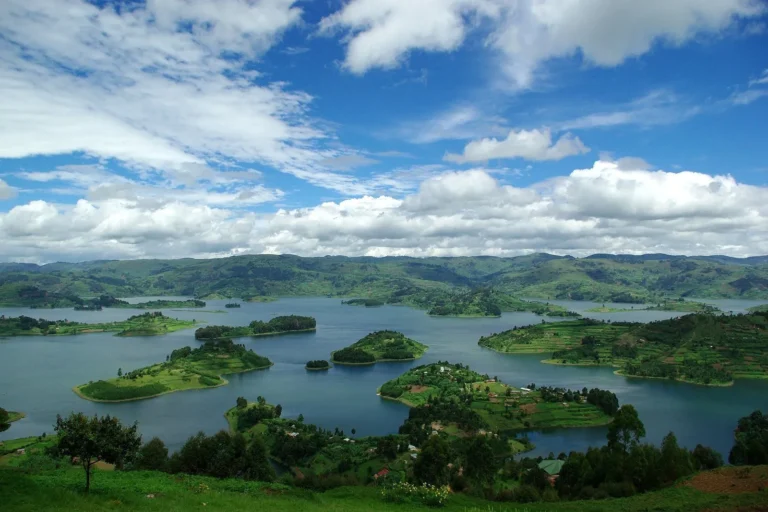
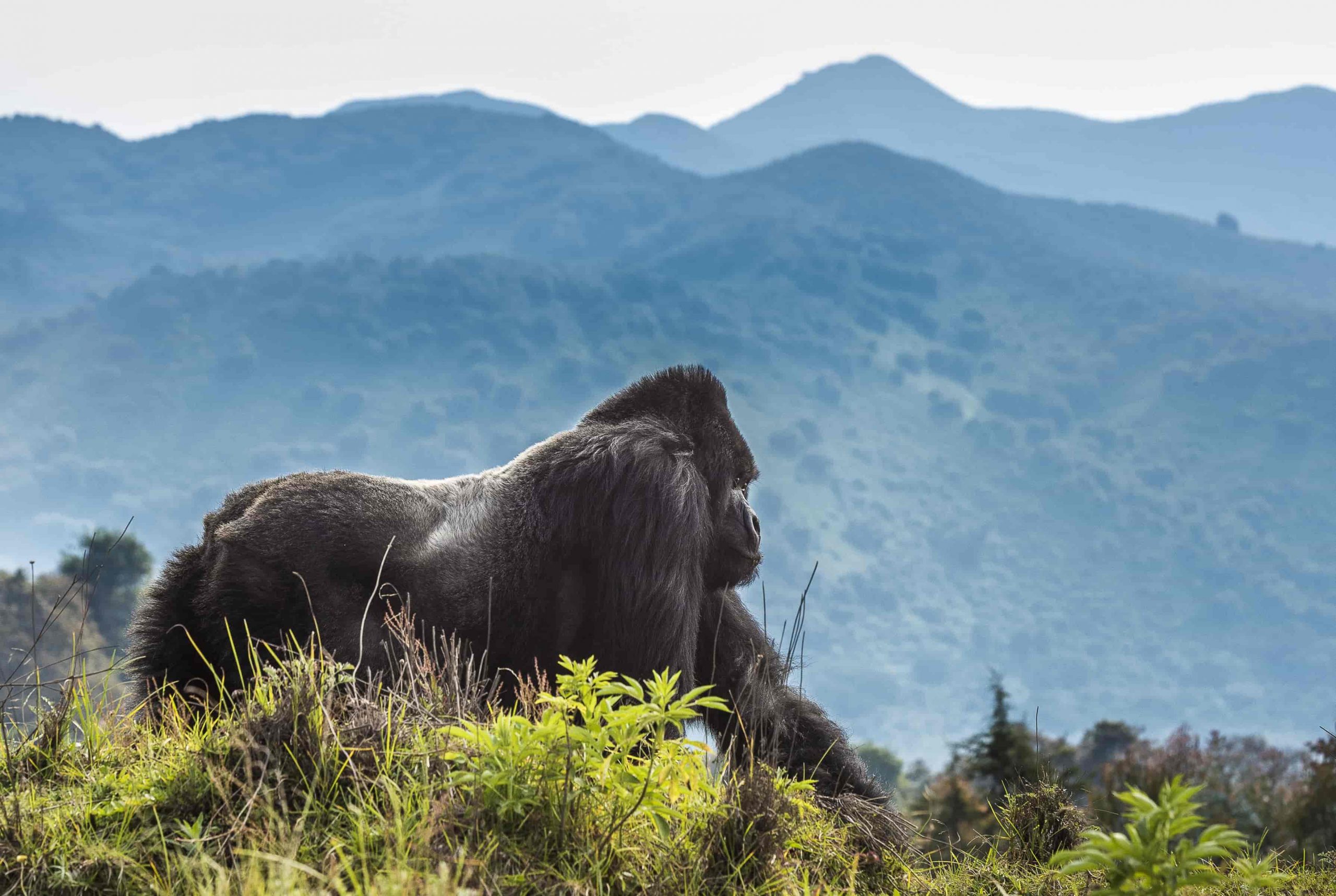
The wet season offers a completely different experience for travellers exploring Uganda’s tropical rainforests. During this period, Bwindi becomes exceptionally green, vegetation flourishes and the surrounding landscapes look beautiful.
Although rainfall can make hiking more challenging, gorilla trekking continues throughout the year. Therefore, you do not have to wait for the dry season to experience mountain gorillas.
Advantages of Gorilla Trekking During the Wet Season
Beautiful green forest scenery
The wet season transforms Bwindi into a lush tropical paradise. Fresh vegetation, colourful flowers and mist-covered hills create beautiful scenery for nature lovers and photographers.
Fewer visitors during certain months
Compared with the busiest dry-season periods, some rainy-season months attract fewer international visitors. Consequently, travellers may enjoy a quieter atmosphere around the park and have more flexibility when arranging accommodation.
Potential accommodation savings
Some lodges and safari operators may offer lower accommodation rates or seasonal packages during quieter months. This can make the overall safari more affordable, although prices depend on the property, travel dates and availability.
Excellent opportunities for birdwatching
The rainy season is also attractive to birdwatchers. Bwindi is home to numerous forest bird species, and the lush vegetation provides excellent opportunities to explore its rich birdlife.
For travellers interested in combining gorilla trekking with birdwatching, this period can be particularly rewarding.
Disadvantages of Gorilla Trekking During the Wet Season
The main challenge is the condition of the trekking trails.
Heavy rainfall can make forest paths muddy, slippery and more difficult to navigate. Additionally, steep slopes may require extra effort, especially when trekking through dense vegetation.
Travellers should also prepare for unpredictable weather, occasional road difficulties and wet hiking equipment.
However, these challenges should not discourage you. With proper preparation, suitable clothing and an experienced guide, you can still enjoy a memorable gorilla trekking adventure.
Best Months for Wet Season Gorilla Trekking
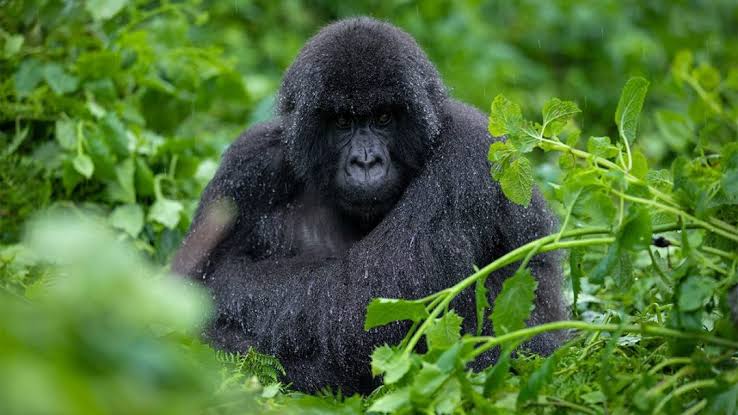
March, April and May make up Uganda’s long rainy season, while October and November form the shorter rainy period.
April and May can experience particularly challenging rainfall in southwestern Uganda. Nevertheless, travellers who prefer fewer crowds and greener scenery may find these months rewarding.
3. Dry Season vs Wet Season: Which Is Better?
Both seasons offer opportunities to experience Uganda’s mountain gorillas. However, the right choice depends on your travel priorities, budget and preferred hiking conditions.
Here is a comparison to help you decide:
| Factor | Dry Season | Wet Season |
|---|---|---|
| Months | June–September, December–February | March–May, October–November |
| Trail conditions | Generally firmer | Often muddy and slippery |
| Rainfall | Usually lower | Generally higher |
| Forest scenery | Beautiful and green | Very lush and vibrant |
| Visitor numbers | Usually higher | Often lower |
| Accommodation | Higher demand in peak periods | Potential seasonal savings |
| Photography | Often easier outdoor conditions | Beautiful misty forest scenery |
| Birdwatching | Good | Particularly rewarding |
Our recommendation: If comfortable hiking conditions are your priority, choose the dry season. However, if you are flexible with weather, prefer quieter travel periods and want to experience Uganda’s lush rainforests, the wet season is also worth considering.
Remember that mountain gorillas live in these forests throughout the year. Your chances of seeing them are not determined simply by whether you visit during the dry or wet season.
4. Does the Season Affect Your Chances of Seeing Mountain Gorillas?
This is one of the most common questions travellers ask when planning a gorilla trekking safari.
Fortunately, mountain gorillas do not migrate away from Bwindi or Mgahinga when the rainy season arrives. They inhabit these forests throughout the year.
However, weather conditions can influence how comfortable your trekking experience will be.
During the dry season, trails are generally easier to navigate. During the wet season, muddy paths and dense vegetation can make the journey more demanding.
Gorilla families are monitored by trained trackers, who help guides locate their movements before trekking groups enter the forest. Nevertheless, the duration and difficulty of your trek can vary depending on where the gorillas are located that day.
Therefore, choosing the dry season does not guarantee a shorter trek, just as visiting during the wet season does not mean you will fail to see gorillas.
5. What Should You Pack for Gorilla Trekking in Each Season?
Regardless of when you visit Uganda, preparing the right equipment can make your adventure much more comfortable.
During the dry season, pack:
- Lightweight, long-sleeved hiking clothes.
- Waterproof hiking boots with good grip.
- Gardening gloves for holding vegetation.
- A reusable water bottle.
- Sunscreen and insect repellent.
- A camera with spare batteries.
During the wet season, pack:
- A waterproof jacket or raincoat.
- Waterproof hiking trousers or gaiters.
- Strong hiking boots with good traction.
- A waterproof backpack cover.
- Extra socks and a change of clothes.
- Gardening gloves and a walking stick.
Additionally, consider hiring a local porter to assist with your backpack and provide support on difficult sections of the trail. This also creates an opportunity to support community members living around the national park.
6. Can You Combine Gorilla Trekking With Other Uganda Safari Experiences?
Absolutely! Uganda offers much more than mountain gorillas, and your travel season can help determine which activities you combine with your trek.
For example, during the dry season, you can explore Queen Elizabeth National Park, enjoy a boat cruise along the Kazinga Channel, track chimpanzees in Kibale Forest and visit Murchison Falls.
During the wet season, you can enjoy lush forest landscapes, birdwatching excursions and cultural experiences around Bwindi. You can also explore Uganda’s other national parks, depending on road and weather conditions.
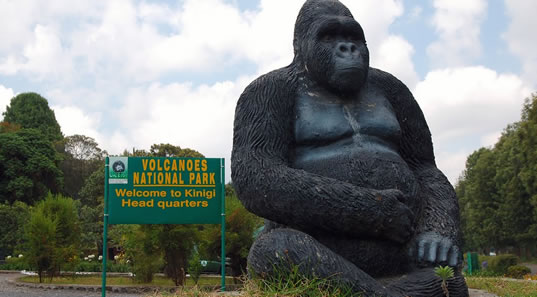
For travellers with additional time, a cross-border safari combining Uganda and Rwanda can be an excellent option. You can explore Bwindi or Mgahinga in Uganda and continue to Volcanoes National Park in Rwanda for another incredible primate experience.
At Berengei Africa Safaris, we can help organise a personalised itinerary that combines gorilla trekking, wildlife viewing, birdwatching and authentic cultural experiences.
7. Is Gorilla Trekking Possible Throughout the Year?
Yes! Gorilla trekking in Uganda is available throughout the year, provided permits are available and the parks are operating.
You can visit Bwindi Impenetrable National Park or Mgahinga Gorilla National Park during either the dry or wet season.
However, because gorilla trekking permits are limited, securing your preferred date early is important. This is particularly relevant for travellers planning to visit during June, July, August, December and January.
Rather than choosing your travel dates based on weather alone, consider your budget, preferred accommodation, available permits and the other experiences you want to include in your safari.
Frequently Asked Questions About the Best Time for Gorilla Trekking in Uganda
1. What is the best month for gorilla trekking in Uganda?
June and September are excellent months for gorilla trekking because they fall within Uganda’s long dry season. January and February are also good alternatives because they fall within the shorter dry season.
2. Can you go gorilla trekking during the rainy season?
Yes. Gorilla trekking takes place throughout the year in Uganda. However, rainfall can make hiking trails muddy and slippery, so appropriate waterproof clothing and hiking boots are recommended.
3. Is gorilla trekking better in the dry or wet season?
The dry season is generally better for easier hiking conditions, while the wet season offers greener scenery, opportunities for birdwatching and potentially quieter travel periods. Both seasons provide opportunities to see mountain gorillas.
4. Does it rain every day in Bwindi Forest?
No. Although Bwindi is a tropical rainforest with relatively high rainfall, it does not necessarily rain throughout the day. Weather conditions can change quickly, so visitors should carry rain protection regardless of the season.
5. When should I book my Uganda gorilla trekking permit?
It is advisable to book several months ahead, especially if you plan to travel during the busy dry-season months. Early booking gives you a better opportunity to secure your preferred trekking date and accommodation.
6. Is December a good month for gorilla trekking in Uganda?
Yes. December falls within Uganda’s short dry season and is generally a good month for gorilla trekking. However, rainfall is still possible, and Christmas and New Year travel dates can be busy.
7. Is gorilla trekking cheaper during the wet season?
Not necessarily. Uganda’s standard gorilla trekking permit price does not automatically decrease because of rainfall. However, some accommodation providers and safari operators may offer seasonal discounts during quieter travel periods.
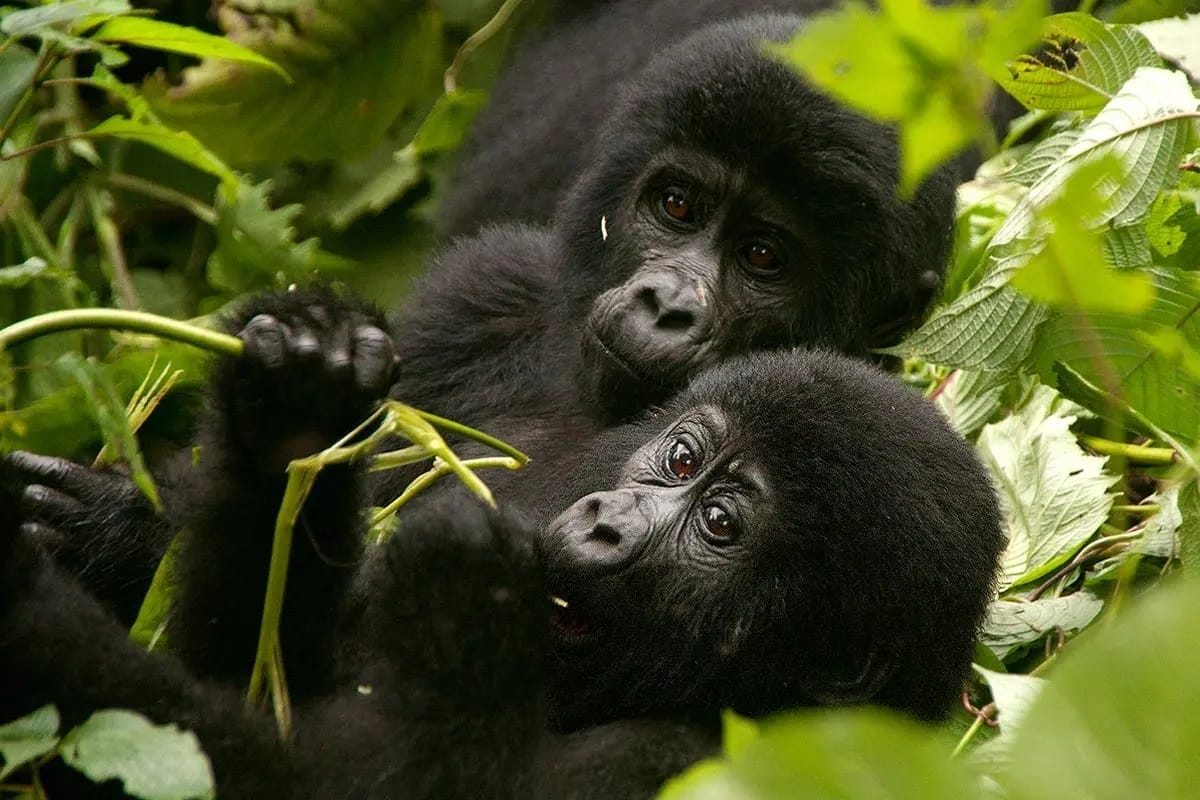
Inconclusion therefore: Choose the Season That Matches Your Safari Dreams
So, what is the best time for gorilla trekking in Uganda? For most travellers, June to September and December to February offer the most favourable trekking conditions. Nevertheless, the rainy season should not be overlooked because it provides beautiful scenery, rewarding birdwatching opportunities and potentially better accommodation deals.
Ultimately, the best season depends on what you want from your African adventure. Whether you prefer the relatively dry trails of Bwindi or the beautiful green landscapes of the rainy season, Uganda welcomes gorilla enthusiasts throughout the year.
Ready to experience mountain gorillas in their natural habitat?
Let Berengei Africa Safaris help you plan your next Uganda gorilla trekking adventure. We organise personalised gorilla trekking safaris, accommodation, transport and unforgettable wildlife experiences.
Contact our team today to start planning your journey to the Pearl of Africa and secure your gorilla trekking permit.