How Long Does a Gorilla Trek Actually Take?
Gorilla trekking is one of the most unforgettable wildlife experiences in Africa. However, one question is asked by almost every first-time traveller: How long does a gorilla trek actually take?
The answer is not as simple as giving one fixed number.
A gorilla trek can be relatively short or can require several hours of hiking, depending on where the assigned gorilla family is located. In Uganda, the Uganda Wildlife Authority states that gorilla tracking may last approximately 2 to 7 hours, including the trek, while a maximum of one hour is allowed with the gorillas during normal tracking.
In Rwanda, hiking to the gorillas can take approximately 30 minutes to four or more hours, depending on the location of the assigned family. A maximum of one hour is then spent observing the gorillas.
Therefore, travellers should be prepared for a genuine forest hiking experience rather than a short wildlife viewing activity.
In this guide, Berengei Africa Safaris explains how long gorilla trekking takes, what affects the duration, and what you should expect on the day.
How Long Does a Gorilla Trek Take?
The duration of a gorilla trek is mainly determined by the location of the gorilla family being visited.
In Uganda, gorilla trekking takes place in Bwindi Impenetrable National Park and Mgahinga Gorilla National Park. According to the Uganda Wildlife Authority, the activity may last between 2 and 7 hours, with one hour allocated for observing a habituated gorilla family.
In Rwanda, gorilla trekking takes place in Volcanoes National Park. The hiking portion can take 30 minutes to four or more hours.
Consequently, no responsible safari operator should promise that your trek will take exactly two, three, or four hours.
The gorillas are wild animals, and their location can change.
How Long Do You Spend With the Gorillas?
One of the most important things to understand is that trekking time and gorilla viewing time are different.
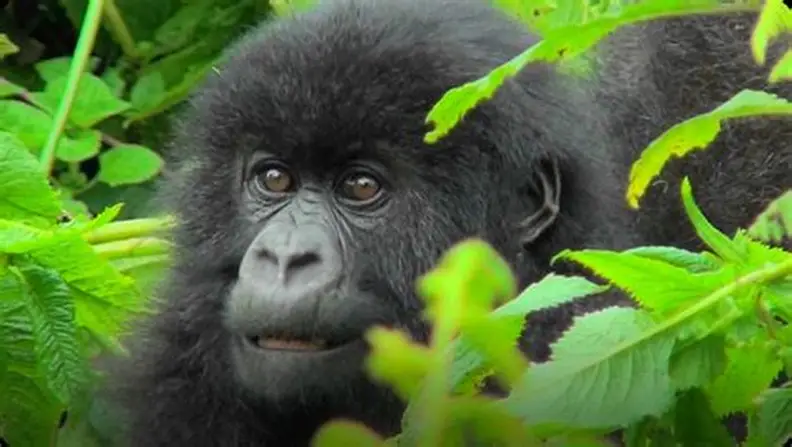
During normal gorilla trekking, a maximum of one hour is spent with the gorilla family after the animals have been located.
This rule is used to reduce disturbance and support responsible gorilla tourism. Rwanda’s official tourism authority confirms that gorilla groups are allowed to come into contact with tourists for a strict maximum of one hour per day.
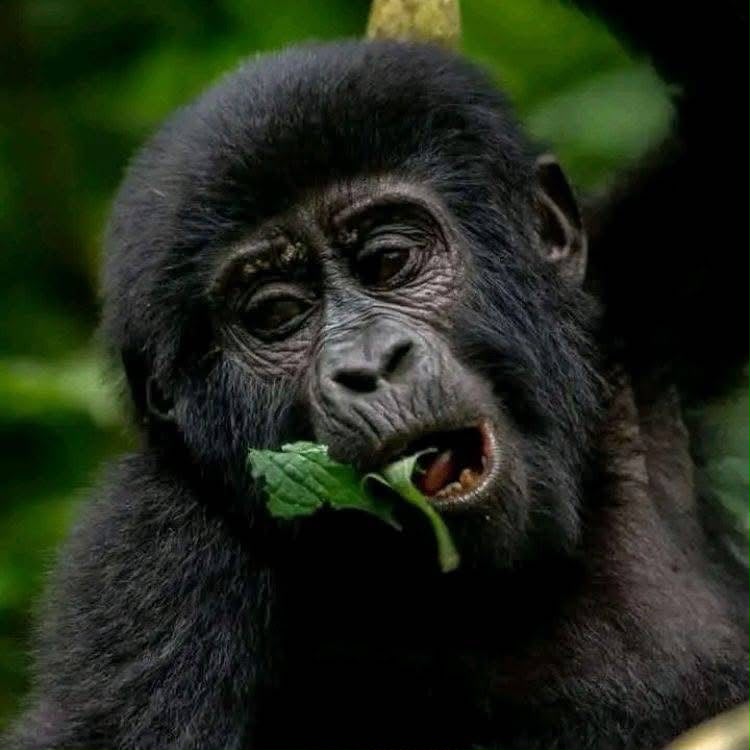
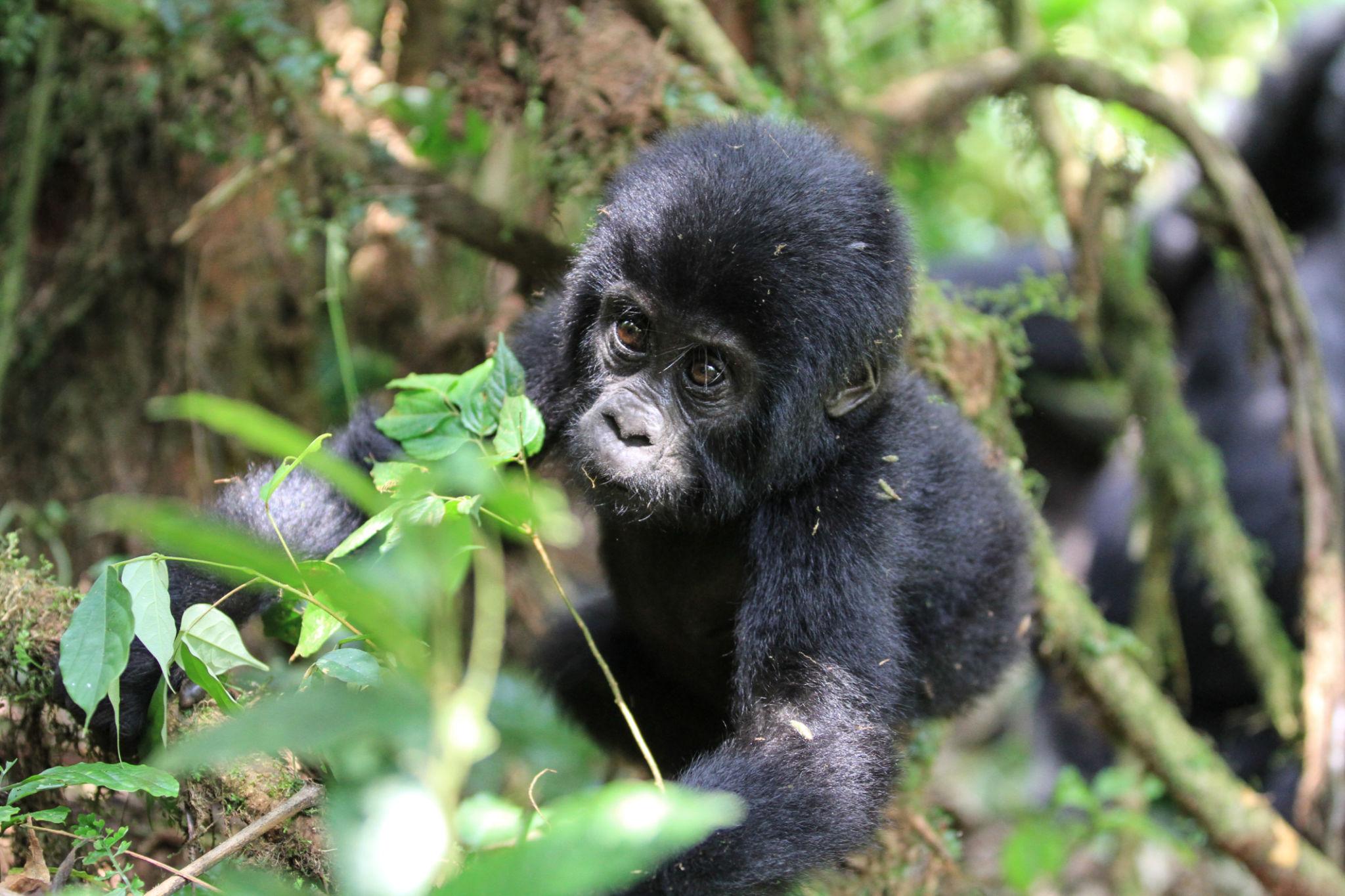
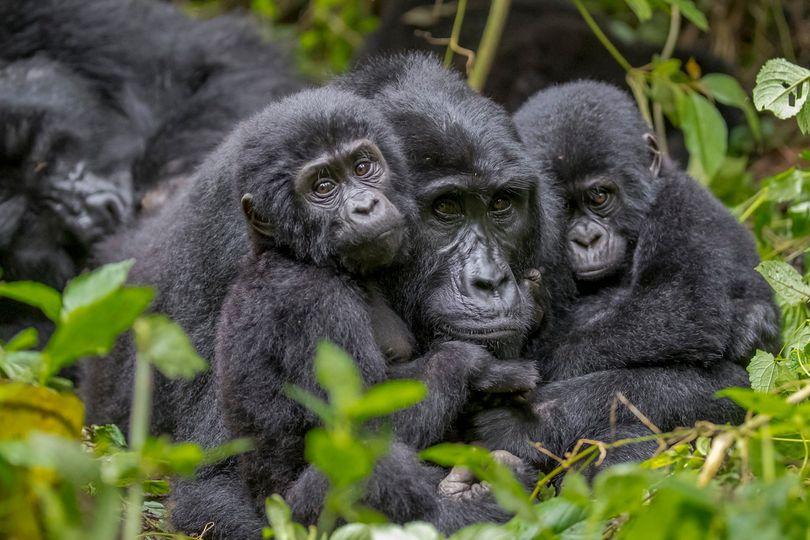
During that hour, the gorillas may be observed:
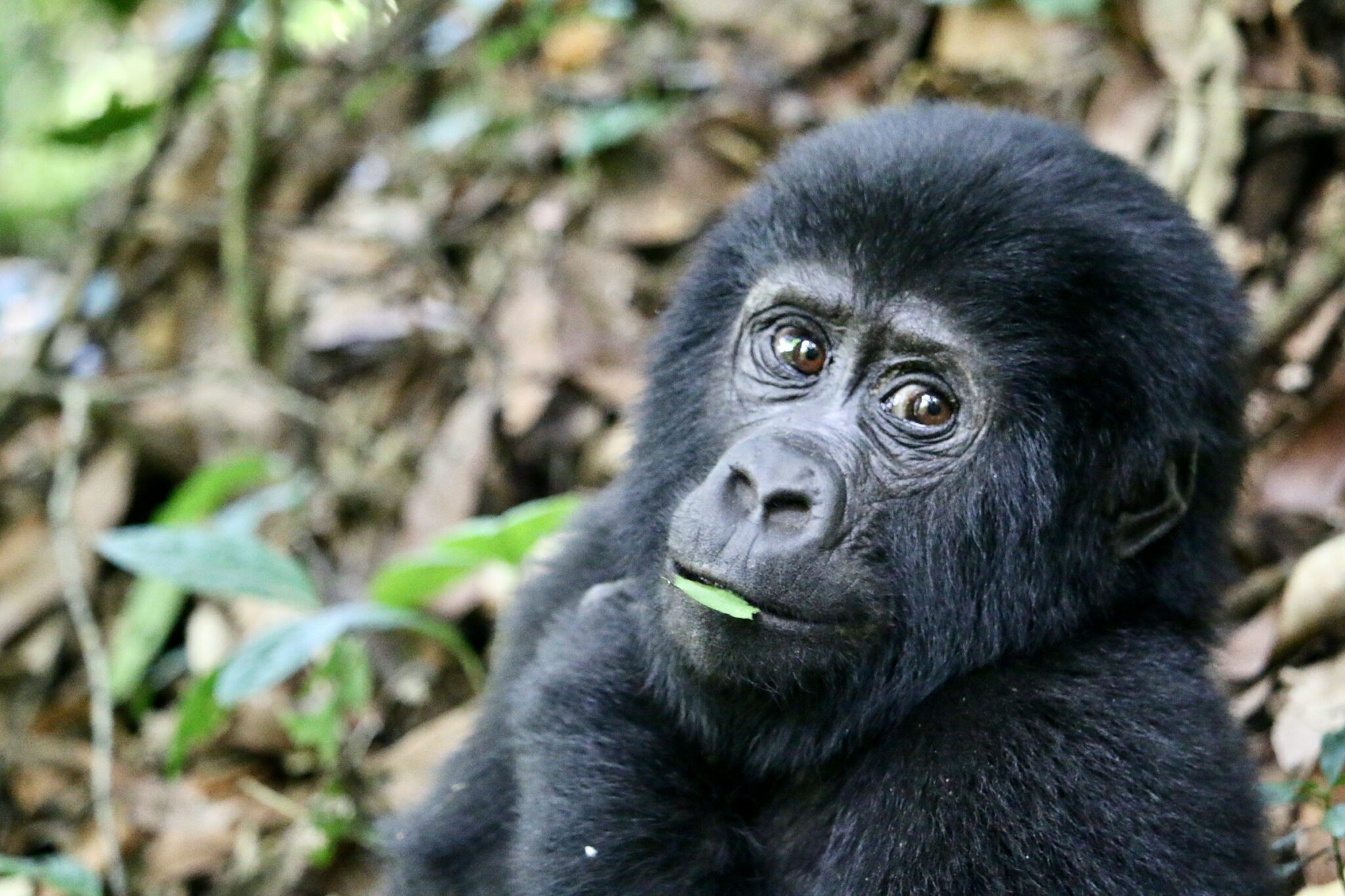
- Feeding
- Resting
- Grooming
- Playing
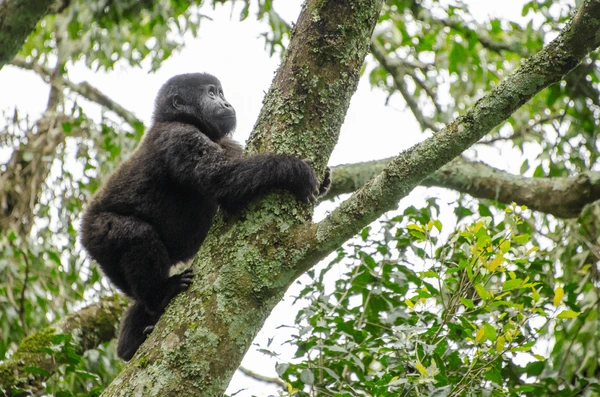
- Moving through the vegetation
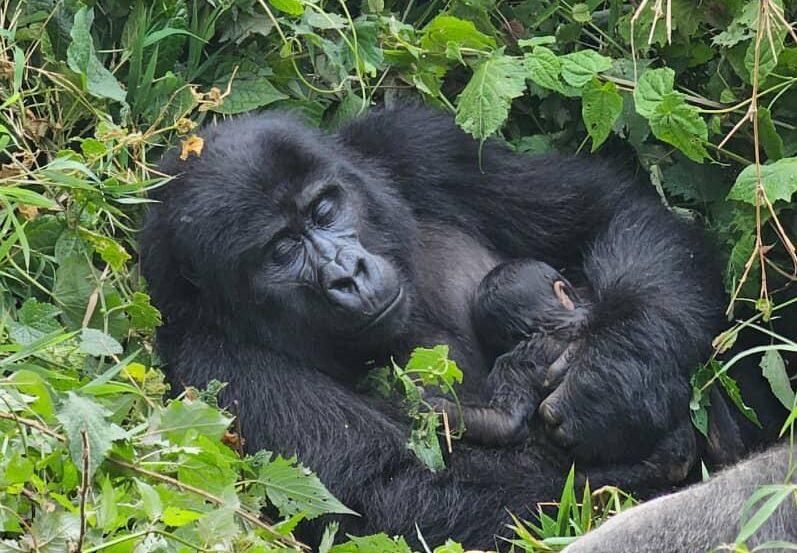
- Caring for young gorillas
- Interacting with other members of the family
Therefore, although the viewing period is limited, the experience can still be incredibly rewarding.
Why Does One Gorilla Trek Take Longer Than Another?
Several factors can affect the duration of a gorilla trek.
1. The Location of the Gorilla Family
This is probably the biggest factor.
Gorilla families move through their natural habitat. Although they are monitored by experienced trackers, they are not kept in one location for tourists.
If the assigned family is close to the starting point, a relatively short hike may be required.
However, if the family has moved deeper into the forest, several hours of hiking may be necessary.
As a result, two travellers visiting on different days can have completely different trekking experiences.
2. The Terrain
Gorilla trekking is not a walk through a flat park.
The gorillas live in mountainous rainforest environments.
In Rwanda’s Volcanoes National Park, trekking can involve bamboo-covered slopes and elevations between approximately 2,500 and 4,000 metres.
Similarly, Bwindi is characterized by steep and forested terrain.
Therefore, even a relatively short distance can take longer when steep slopes, thick vegetation, mud, and uneven ground are encountered.
3. Your Fitness Level
Your physical fitness will also affect how quickly you move through the forest.
A traveller who regularly hikes may find the trek easier than someone who rarely exercises.
However, you do not have to be a professional hiker to participate.
Moderate preparation can be helpful.
Before your safari, you can prepare by:
- Walking regularly
- Climbing stairs
- Taking short hikes
- Improving your cardiovascular fitness
- Practising walking on uneven terrain
Most importantly, your safari operator should be informed if you have concerns about the physical demands of the trek.
Is Gorilla Trekking a Full-Day Activity?
Not necessarily.
However, you should keep most of the day available.
The actual hiking and gorilla viewing can take several hours. In addition, time is required for registration, briefing, transportation to the trailhead, and returning to your lodge.
In Rwanda, visitors gather at the Volcanoes National Park headquarters in Kinigi at around 7:00 a.m. before being allocated a gorilla family and beginning the trek.
In Uganda, gorilla tracking officially begins after the briefing and continues until visitors return for debriefing.
Therefore, it is recommended that no major activity be scheduled immediately after your gorilla trek.
What Happens on Gorilla Trekking Day?
Understanding the schedule can help you prepare properly.
Step 1: Early Breakfast
Breakfast is normally taken early at your lodge.
Because trekking starts in the morning, you should be ready before departure.
Step 2: Travel to the Briefing Point
Your safari vehicle will take you to the appropriate park headquarters or starting point.
In Rwanda, this is generally the Volcanoes National Park headquarters in Kinigi.
Step 3: Briefing and Gorilla Family Allocation
Before entering the forest, a briefing is provided.
You will be informed about gorilla trekking rules, safety procedures, and appropriate behaviour around the animals.
In Rwanda, visitors are allocated to gorilla families according to factors including fitness levels.
Step 4: Hiking Through the Forest
The actual trek then begins.
Trackers will lead the group through the forest while searching for the assigned gorilla family.
The hike may be short or long.
Step 5: Finding the Gorillas
Once the gorillas are located, the group will approach carefully.
The one-hour viewing period then begins.
Step 6: Returning to the Starting Point
After the viewing period, you will begin walking back.
Depending on where the gorillas were located, the return journey can also take some time.
Can You Choose a Short Gorilla Trek?
You can communicate your fitness level and preferences to your safari operator, but a specific short trek cannot always be guaranteed.
In Rwanda, visitors are allocated to groups partly according to fitness levels.
However, the gorillas remain free to move through the forest.
Therefore, the location of the assigned family cannot be completely controlled.
This is why preparation is important.
If you are concerned about a long trek, these concerns should be communicated to Berengei Africa Safaris before your trekking date.
Can a Gorilla Trek Take Seven Hours?
Yes.
In Uganda, the Uganda Wildlife Authority states that gorilla trekking can last approximately 2 to 7 hours.
A longer trek may be required when the gorilla family has moved deeper into the forest or when difficult terrain and weather conditions slow the group down.
However, a seven-hour trek should not be assumed for every visitor.
Some travellers will complete the experience much faster.
The important point is that the duration cannot be guaranteed in advance.
How Difficult Is Gorilla Trekking?
Gorilla trekking can range from moderate to challenging.
The difficulty will depend on:
- The location of the gorilla family
- The terrain
- Weather conditions
- Elevation
- Your fitness level
- The amount of vegetation
- How far the gorillas have moved
Because of this, appropriate preparation is recommended.
Sturdy hiking boots should be worn, while waterproof clothing is useful because rain can occur in rainforest environments.
Should You Hire a Porter?
Yes, hiring a porter is strongly recommended.
A porter can carry your backpack, water, camera equipment, and other belongings.
Furthermore, assistance can be provided on steep or difficult sections of the trail.
In Rwanda, porters are specifically available to carry backpacks and cameras and to provide assistance along the route.
By hiring a porter, you are also helping support communities living around the gorilla trekking areas.
What Should You Wear for a Gorilla Trek?
Because the trek can last several hours, comfortable and protective clothing should be worn.
We recommend:
- Sturdy hiking boots
- Long trousers
- Long-sleeved shirt
- Waterproof jacket
- Gardening or hiking gloves
- Lightweight backpack
- Hat
- Insect repellent
- Reusable water bottle
- Extra snacks
- Camera
- Walking stick if required
Waterproof clothing is particularly useful because weather conditions can change quickly in rainforest environments.
What If It Rains During the Trek?
Gorilla trekking can continue in rainy conditions.
Rain can, however, make the forest floor muddy and slippery.
Consequently, the pace may become slower.
This is another reason why good hiking boots and waterproof clothing should be used.
Interestingly, rainy weather does not necessarily mean that the experience will be poor. The forest can become greener and more atmospheric, while the gorillas may continue with their normal activities.
How Long Should You Stay Near the Gorilla Park?
It is recommended that you arrive at the gorilla trekking destination at least one day before your trek.
This is because gorilla trekking begins early.
For example, if you are trekking in Bwindi, travelling to the park on the same morning could create unnecessary pressure because the journey from major cities can be long.
Bwindi’s different sectors are also reached by different routes. The Uganda Wildlife Authority notes that road access can involve several hours of travel, while domestic flights can be used to reach Kihihi or Kisoro, followed by a 4WD transfer to the lodge.
Therefore, staying nearby the night before is usually the more comfortable option.
Gorilla Trekking in Uganda vs Rwanda: How Long Does It Take?
| Destination | Approximate Trekking Time | Gorilla Viewing |
|---|---|---|
| Uganda | 2–7 hours | Up to 1 hour |
| Rwanda | 30 minutes–4+ hours | Up to 1 hour |
These are general ranges rather than guarantees.
In Uganda, the official range provided by UWA is 2–7 hours.
In Rwanda, official tourism information gives a range of 30 minutes to four or more hours.
Therefore, travellers should be prepared for variability in both destinations.
Why Is Gorilla Trekking Time Not Guaranteed?
The simple reason is that gorillas are wild animals.
They are monitored by trackers, but they are not trained animals that remain in one location.
Their movements are influenced by food, social behaviour, resting areas, and other natural factors.
Consequently, the location found in the morning may be different from where the family was located previously.
For this reason, the length of the trek is determined on the day.
Tips for Preparing for a Long Gorilla Trek
To make the experience more comfortable, several preparations can be made.
Exercise Before Your Safari
Regular walking and hiking can improve stamina.
Wear Suitable Shoes
Sturdy, comfortable hiking boots should be used.
Carry Enough Water
Several hours can be spent walking through the forest, so hydration is important.
Keep Your Backpack Light
Only essential items should be carried.
Hire a Porter
Your belongings can be carried, while assistance can be provided when needed.
Prepare for Rain
A waterproof jacket should be kept easily accessible.
Start With a Positive Mindset
The trek should be viewed as part of the adventure.
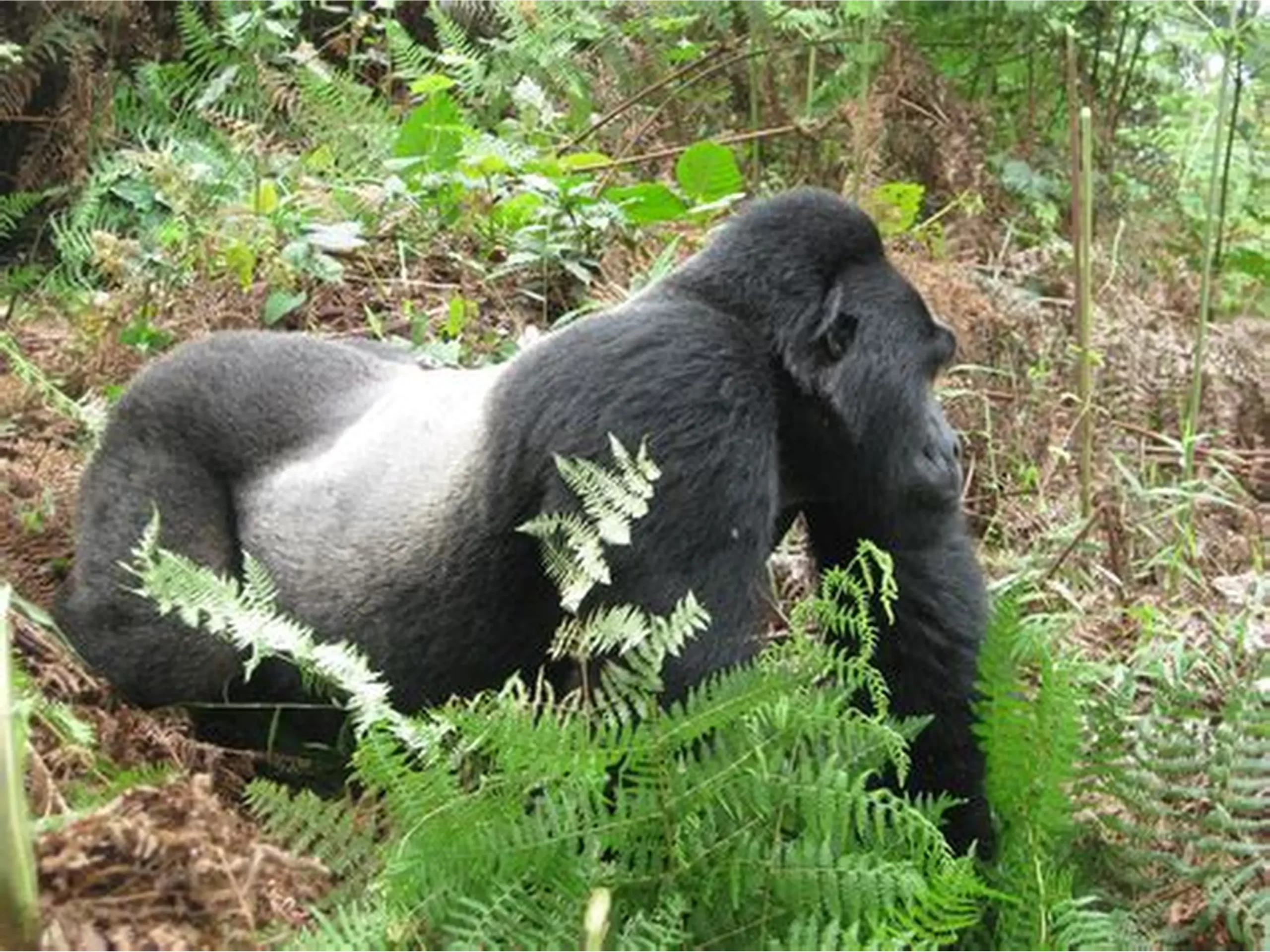
The longer the hike may be, the more rewarding it can feel when the gorilla family is finally found.
Frequently Asked Questions
How long does a gorilla trek actually take?
In Uganda, gorilla trekking can take approximately 2 to 7 hours. In Rwanda, the hiking portion can take 30 minutes to four or more hours.
How long do you spend with the gorillas?
During normal gorilla trekking, a maximum of one hour is spent observing the gorilla family.
Can gorilla trekking take the whole day?
It can take most of the morning and, in some cases, extend further into the day. Therefore, it is best to keep your schedule flexible.
Is gorilla trekking difficult?
It can be moderately challenging because steep slopes, thick vegetation, uneven ground, and changing weather may be encountered.
Can I request an easier trek?
Your fitness level can be communicated to your safari operator. In Rwanda, visitors are allocated to gorilla families partly according to fitness levels.
Should I hire a porter?
Yes. A porter can carry your belongings and provide assistance during difficult sections of the trek.
Do I need to be physically fit for gorilla trekking?
A moderate level of fitness is recommended. However, preparation and the use of a porter can make the experience more manageable.
Inconclusion therefore
So, how long does a gorilla trek actually take?
There is no single answer.
In Uganda, gorilla trekking can take approximately 2 to 7 hours, while Rwanda’s trekking time can range from 30 minutes to four or more hours. In both destinations, a maximum of one hour is normally spent with the gorillas.
The final duration will depend on the location of the gorilla family, terrain, weather, altitude, and your own walking pace.
Therefore, travellers should come prepared for a real forest adventure.
At Berengei Africa Safaris, your gorilla trekking safari can be carefully organized so that transportation, accommodation, permits, guides, and other activities are coordinated around your trekking day.
Whether you are planning a Uganda gorilla safari, Rwanda gorilla trekking experience, or combined Uganda and Rwanda safari, your itinerary can be customized according to your time, budget, and interests.