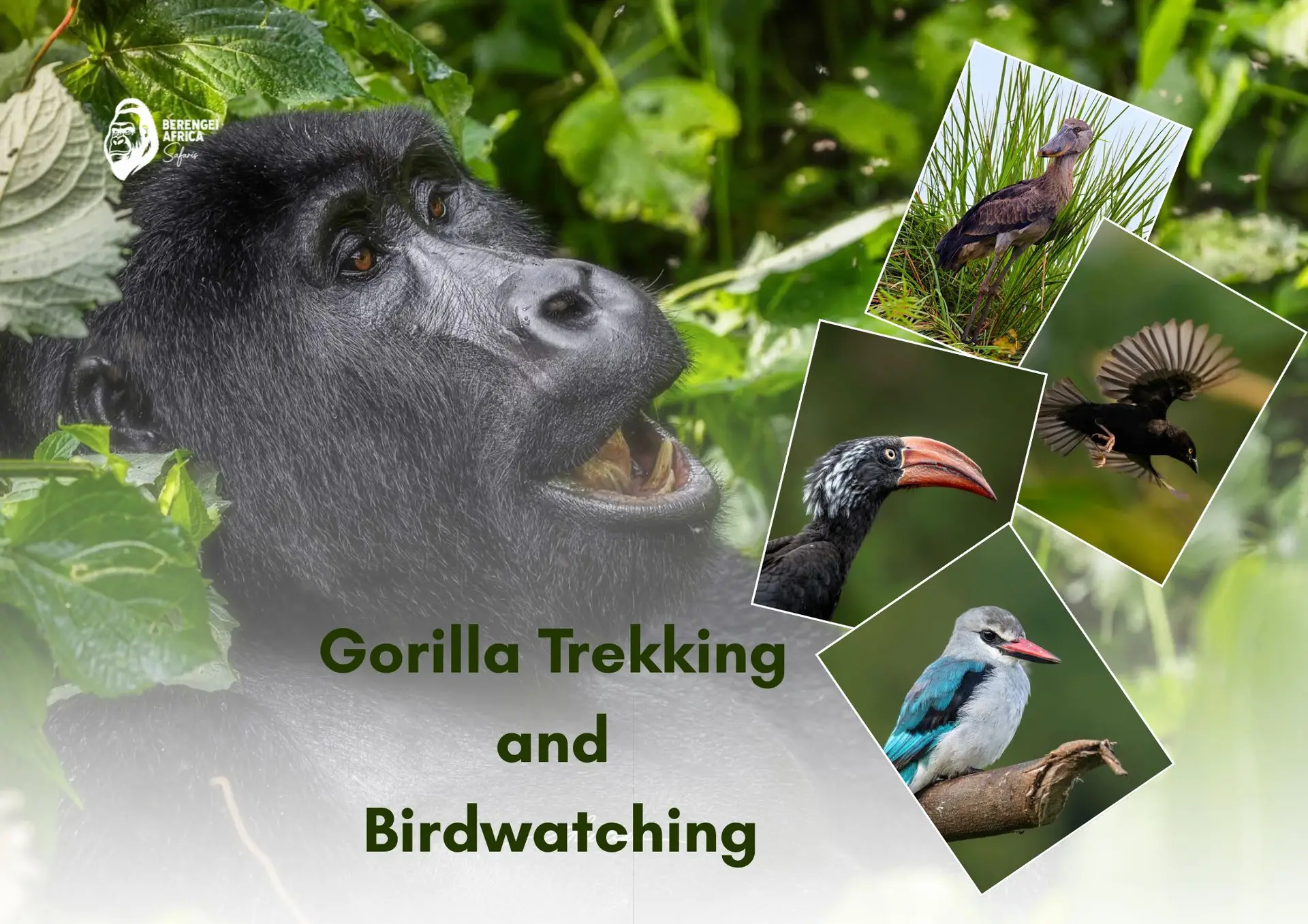
Gorilla trekking and birdwatching in Uganda
Gorilla trekking and birdwatching in Uganda are two wildlife experiences that make an excellent combination for travelers seeking more than a traditional African safari. Uganda is famous for its endangered mountain gorillas, but it is also home to extraordinary bird diversity, with more than 1,000 recorded bird species. Combining these activities allows you to explore mist-covered rainforests, search for rare Albertine Rift birds, and encounter mountain gorillas in their natural habitat.
For wildlife enthusiasts, photographers, birders and nature lovers, this combination offers a deeper understanding of Uganda’s natural heritage. Rather than spending your entire holiday looking for large mammals, you can explore different habitats and discover the smaller, often overlooked species that make Uganda such a remarkable destination.
At Berengei Africa Safaris, we help travelers plan Uganda safari itineraries that combine gorilla trekking, guided birdwatching, wildlife viewing and cultural experiences according to their interests, budget and available time.
Why Combine Gorilla Trekking and Birdwatching in Uganda?
The main advantage of combining these activities is the opportunity to experience two different sides of Uganda’s biodiversity during one trip.
Gorilla trekking takes you deep into tropical mountain forests, where experienced guides help you locate a habituated gorilla family. Once the gorillas are found, visitors are generally allowed one hour to observe them, following the applicable park rules.
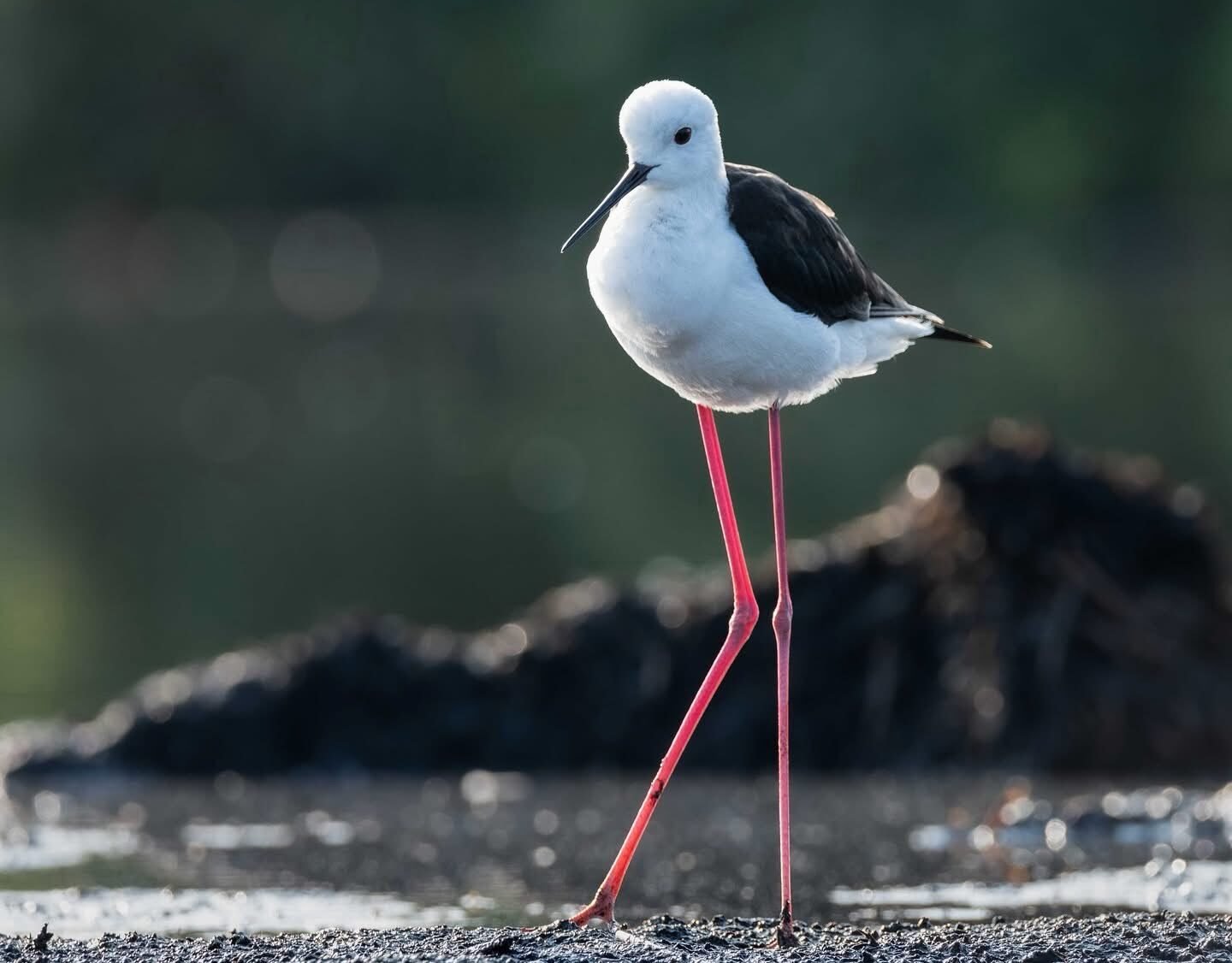
Birdwatching, meanwhile, encourages you to slow down and pay attention to the forest canopy, vegetation, rivers and wetlands. You may discover colorful turacos, sunbirds, flycatchers and other species that are easy to overlook when concentrating only on larger animals.
Uganda’s varied landscapes make this combination particularly rewarding. Mountain forests, wetlands, lakes and savannah habitats support different bird communities, meaning that adding birdwatching can significantly broaden your safari experience.
1. Discover Uganda’s Remarkable Mountain Gorillas
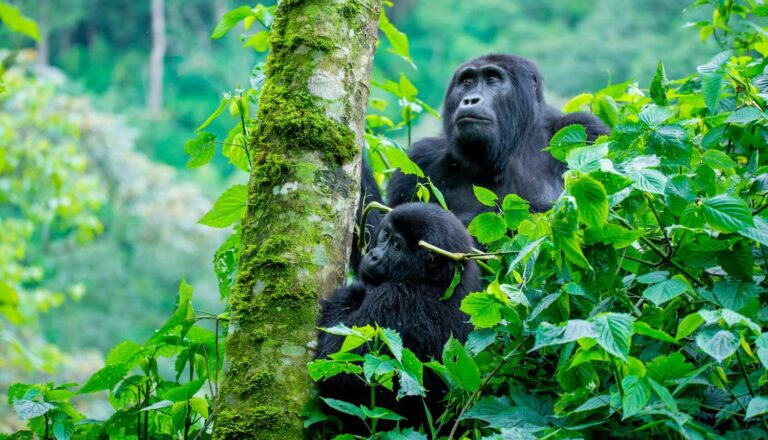
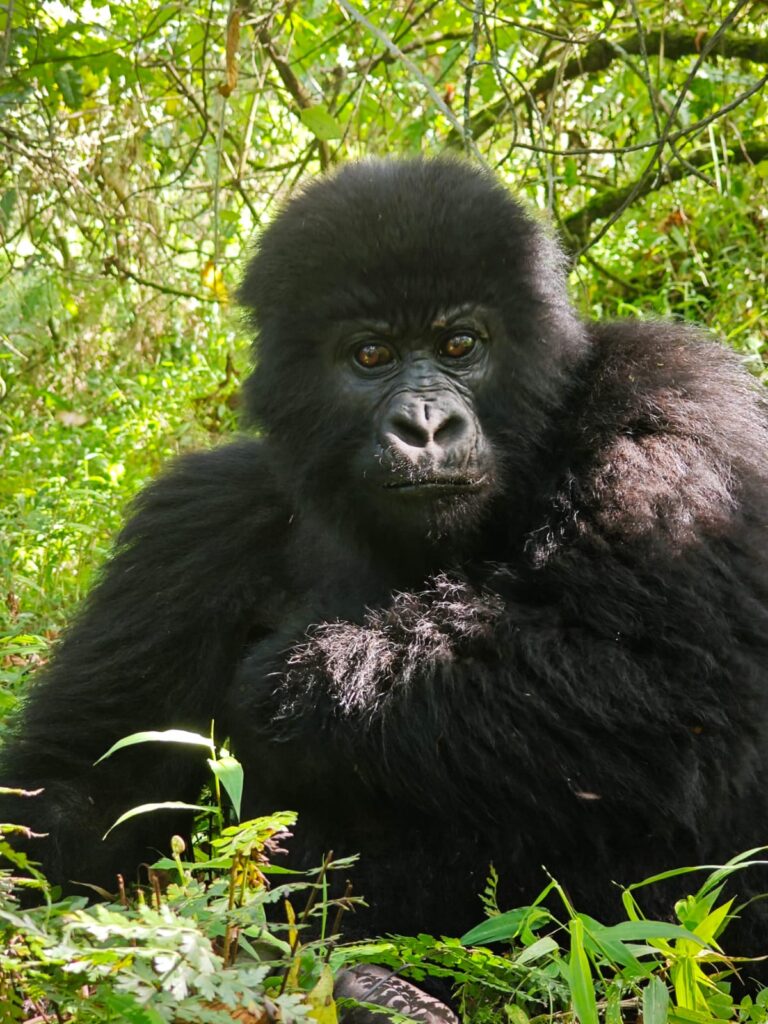
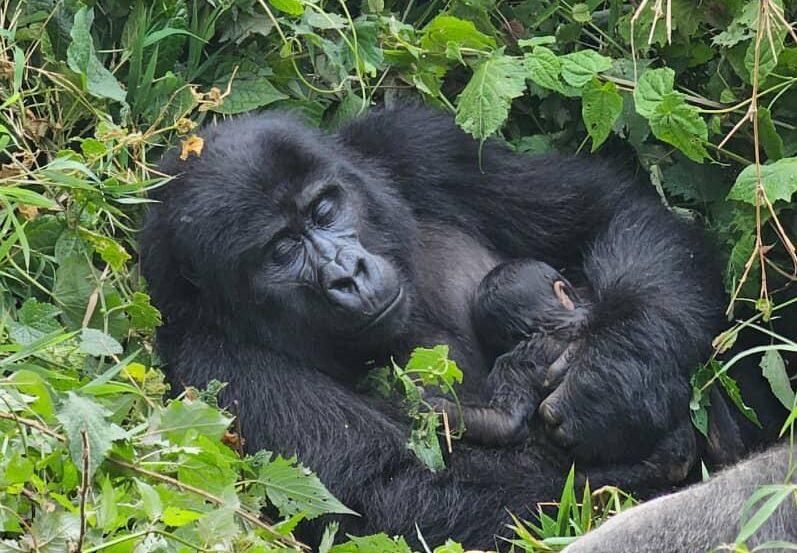
Mountain gorillas are the main attraction for many visitors to Uganda. The country offers gorilla trekking in Bwindi Impenetrable National Park and Mgahinga Gorilla National Park, both located in southwestern Uganda.
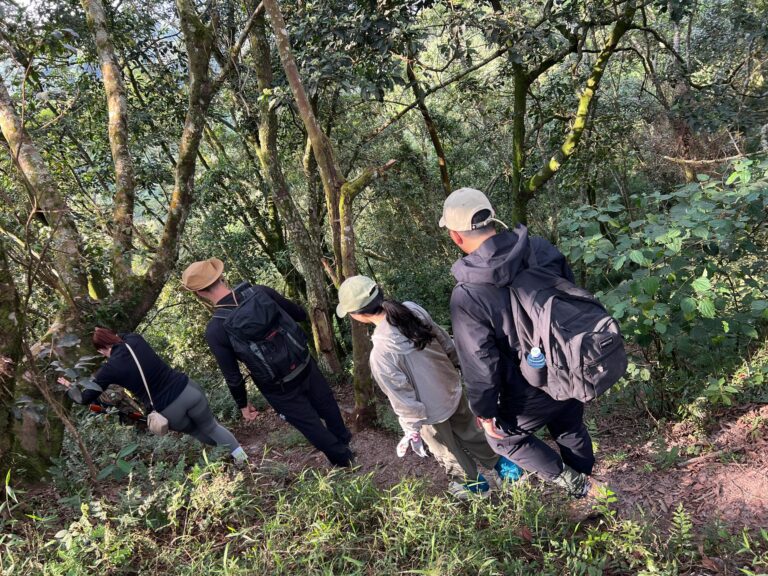
During a trek, you walk through forest terrain with trained park personnel in search of an assigned gorilla family. The duration depends on the gorillas’ location and the conditions in the forest. Uganda Wildlife Authority notes that treks can last approximately two to seven hours, including the time spent searching.
Seeing a silverback, watching young gorillas play or observing a family feeding quietly in the forest can be a powerful wildlife experience.
However, gorilla trekking is only one part of the forest’s ecological story. The same protected landscapes support diverse birdlife, making them valuable destinations for travelers interested in both primates and birds.
2. Explore Bwindi’s Exceptional Birdlife
Bwindi Impenetrable National Park is one of the most important destinations for combining gorilla trekking and birdwatching in Uganda.
The forest has more than 350 recorded bird species, including species associated with the Albertine Rift. Some birds are particularly sought after by specialist birders because of their restricted ranges and conservation importance.
Bird species to look for include:
- African green broadbill
- Grauer’s warbler
- Rwenzori batis
- Regal sunbird
- Black-billed turaco
- Handsome francolin
- Shelley’s crimsonwing
Actual sightings depend on the season, weather, trail conditions and the expertise of your birding guide.
Bwindi also offers several birdwatching trails. The Mubwindi Swamp Trail in the Ruhija sector is especially well known among birders interested in Albertine Rift species. The Buhoma area also provides opportunities for guided forest walks and birdwatching.
You can arrange dedicated birding before or after your gorilla trek, subject to your permit schedule, available time and local guiding arrangements.
3. Search for Rare Albertine Rift Endemic Birds
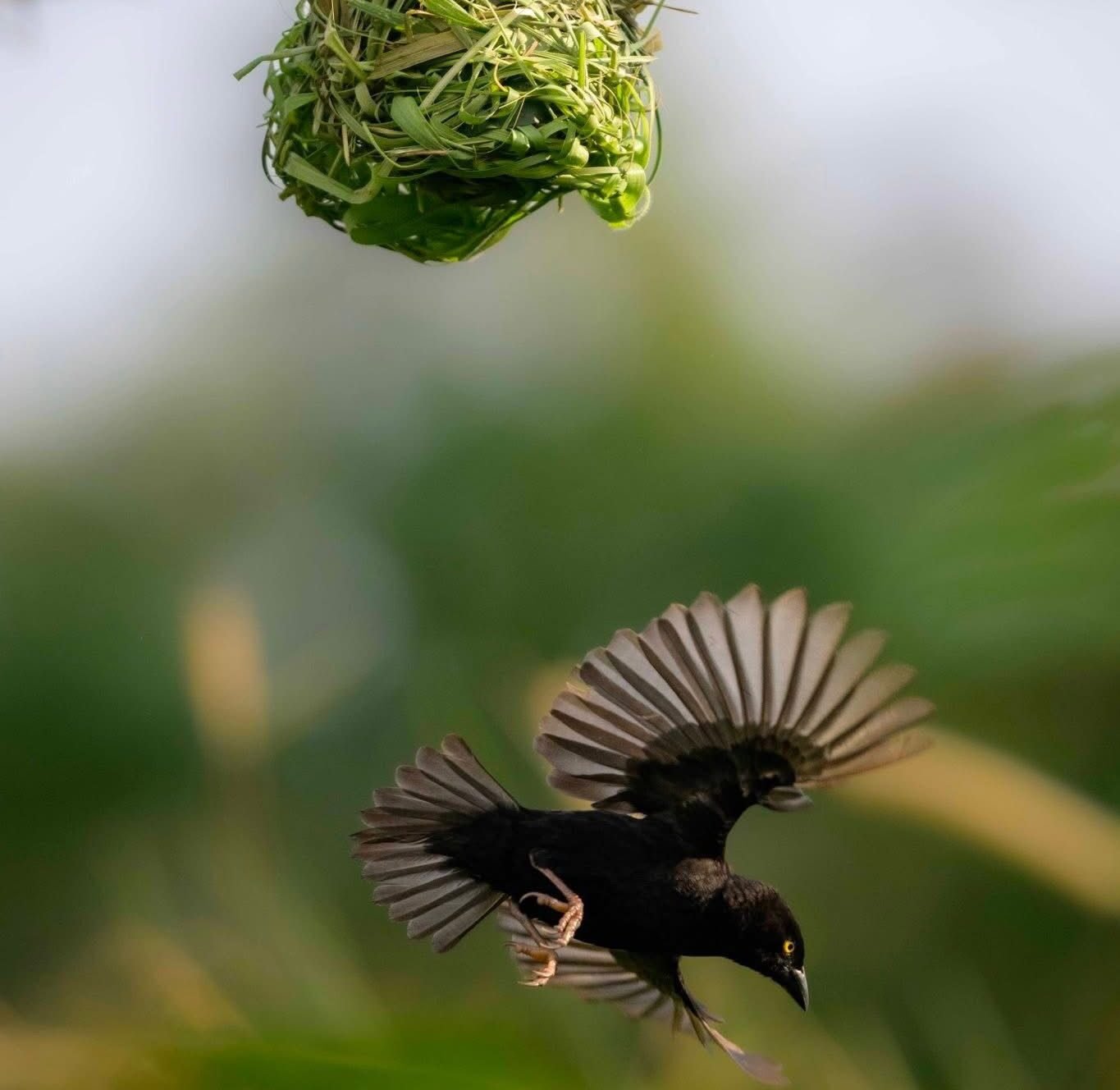
One reason birdwatchers travel to southwestern Uganda is the opportunity to look for birds associated with the Albertine Rift.
This region contains distinctive mountain and forest habitats that support species with limited geographic distributions. For serious birders, finding these birds can be one of the most rewarding parts of a Uganda safari.
Bwindi is particularly important because its forest habitats support several sought-after species, including the African green broadbill and Grauer’s warbler.
A specialist birding guide can help identify calls, explain habitat preferences and improve your chances of locating target species.
Nevertheless, bird sightings can never be guaranteed. A well-planned itinerary should allow enough time for birdwatching rather than relying on a brief walk immediately before or after gorilla trekking.
Best Places for Gorilla Trekking and Birdwatching in Uganda
Choosing the right destinations is essential when planning a combined safari. Your route should reflect whether your priority is gorilla trekking, rare forest birds, wetland species or a wider wildlife experience.
Bwindi Impenetrable National Park
Bwindi is the strongest starting point for travelers who want to combine gorilla trekking with forest birdwatching.
The park’s four main gorilla trekking sectors are Buhoma, Ruhija, Rushaga and Nkuringo. Birdwatching opportunities vary by area, and Ruhija is particularly attractive to birders interested in the Mubwindi Swamp Trail and Albertine Rift species.
Because the forest is mountainous, birdwatching and gorilla trekking can involve steep, muddy or uneven trails. Suitable footwear, a reasonable level of fitness and a flexible schedule are important.
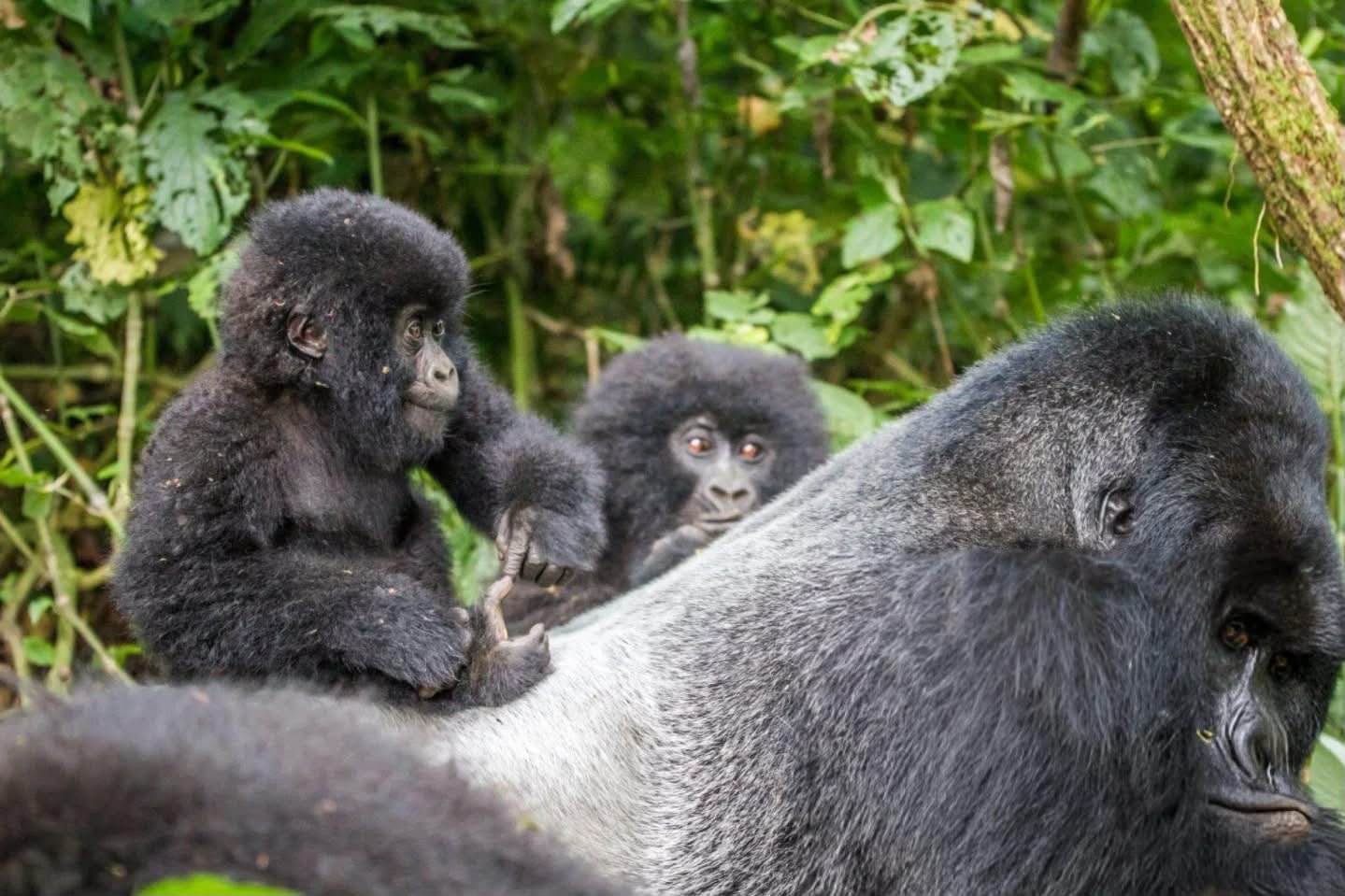
Mgahinga Gorilla National Park
Mgahinga offers another opportunity to combine gorilla trekking with mountain birdwatching.
Located in the Virunga Mountains, the park protects forest and montane habitats that support birds associated with the Albertine Rift. Guided walks can be arranged to explore the park’s different environments.
Mgahinga may suit travelers who want a gorilla experience in a dramatic volcanic landscape while also making time for birding.
Queen Elizabeth National Park
If you have additional days, consider extending your itinerary to Queen Elizabeth National Park.
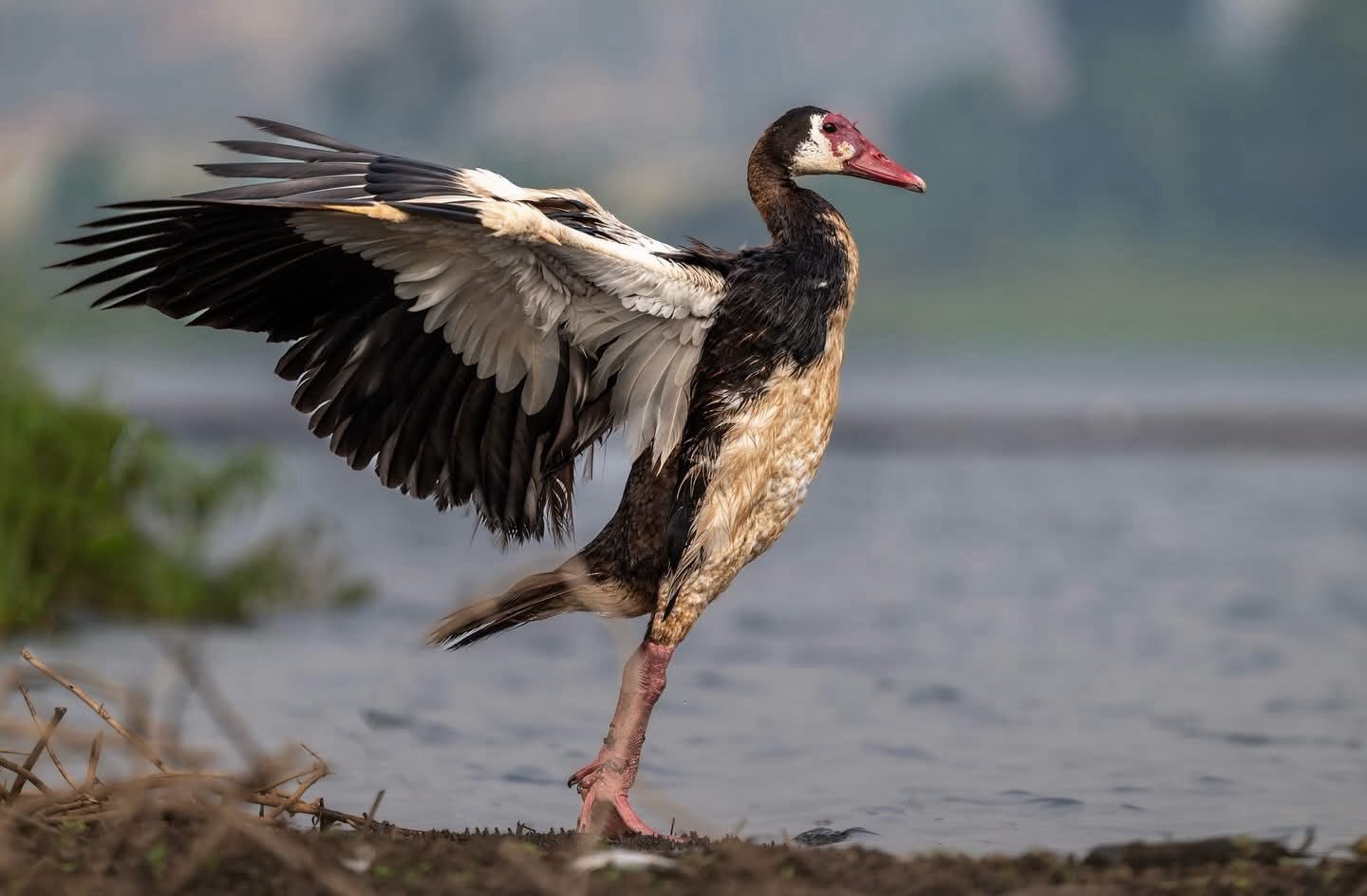
Unlike Bwindi’s dense rainforest, Queen Elizabeth contains savannah, wetlands, lakeshore habitats and woodland. These different environments support a wide range of birds, alongside elephants, buffaloes, antelopes and other wildlife.
A game drive and a boat cruise along the Kazinga Channel can add another dimension to your safari. The park is particularly valuable for travelers who want to combine forest birding with more conventional wildlife viewing.
Mabamba Swamp
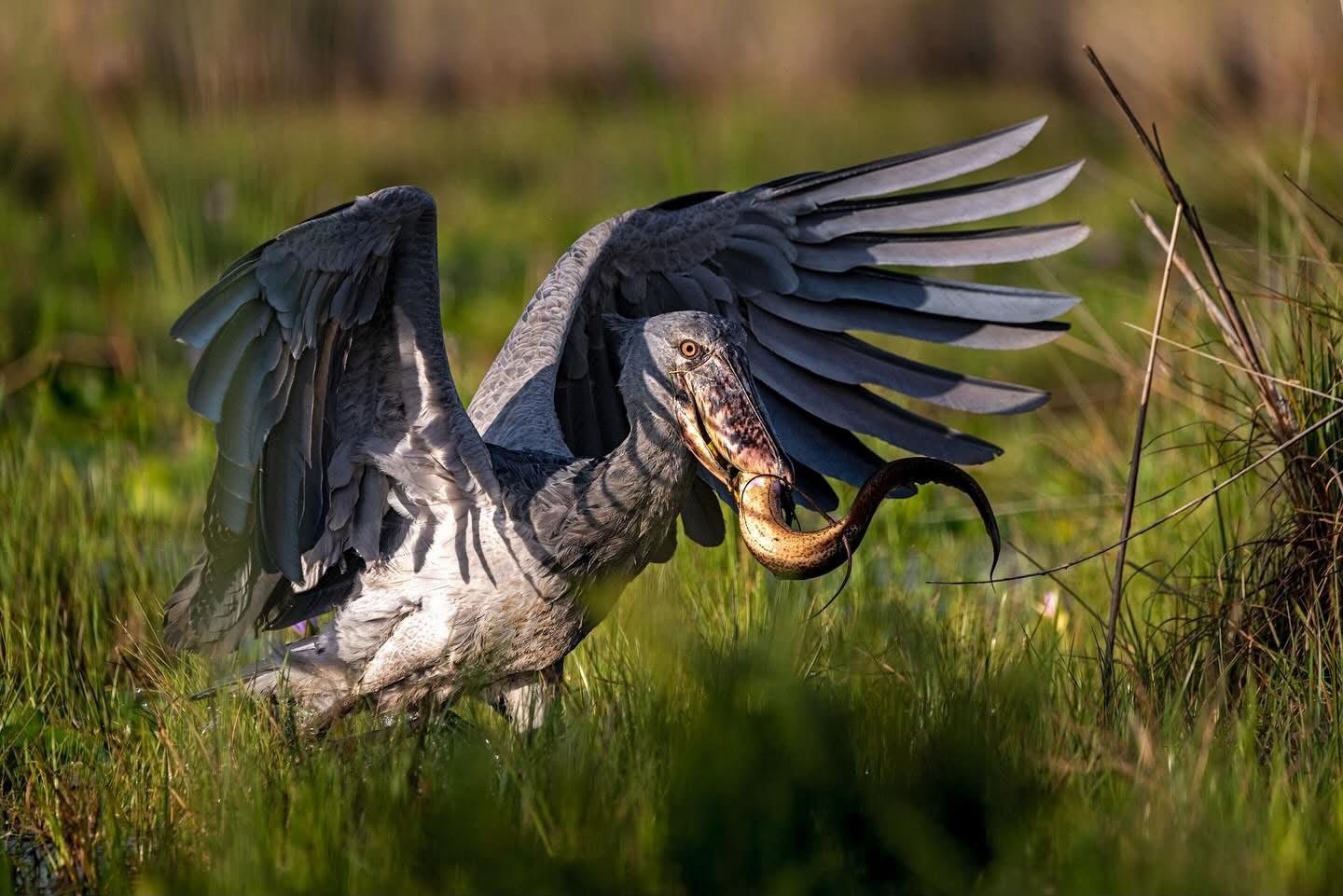
For travelers interested in wetland birds, Mabamba Swamp near Lake Victoria is a worthwhile addition to a Uganda itinerary.
The wetland is particularly famous for the Shoebill, a distinctive bird that many visitors hope to see during a guided canoe excursion.
Mabamba is geographically separate from Bwindi, so it is best included when your arrival or departure arrangements allow sufficient time. It is not usually practical to add it as a short detour during a gorilla trekking day in southwestern Uganda.
How Many Days Do You Need?
The ideal duration depends on your birding ambitions and how much travel you want to include.
For travelers whose main priority is gorilla trekking, a shorter itinerary can combine a gorilla permit with a dedicated forest birding walk. However, serious birdwatchers should allow more time to explore different habitats and search for specific species.
A seven-day itinerary can provide a useful balance between gorillas, forest birds and savannah wildlife.
Sample 7-Day Gorilla Trekking and Birdwatching Safari
Day 1: Entebbe or Kampala to Bwindi
Travel to Bwindi Impenetrable National Park, with a stop at the Uganda Equator if it fits your route and schedule. Arrive at your lodge and prepare for the following day’s activities.
Day 2: Gorilla Trekking in Bwindi
Attend the park briefing and trek through the forest in search of a habituated gorilla family. Spend the permitted viewing time observing the gorillas, then return to your lodge.
Day 3: Guided Birdwatching in Bwindi
Spend the morning exploring a suitable birding trail with a local guide. Focus on forest species and, where possible, birds associated with the Albertine Rift. The afternoon can be reserved for relaxation or an additional guided nature walk.
Day 4: Bwindi to Queen Elizabeth National Park
Travel toward Queen Elizabeth National Park. Depending on the route and arrival time, enjoy a short birdwatching stop or an afternoon game drive.
Day 5: Wildlife and Birdwatching in Queen Elizabeth
Enjoy a morning game drive followed by a boat cruise along the Kazinga Channel, subject to the schedule. Look for waterbirds, hippos, elephants and other wildlife.
Day 6: Return Journey Toward Entebbe
Begin the journey back toward Entebbe or Kampala, with suitable stops depending on your departure schedule.
Day 7: Departure or Additional Birdwatching
Use this day for departure arrangements or add a wetland excursion, such as Mabamba Swamp, if your flight schedule and route make it practical.
This is a sample route rather than a fixed itinerary. A more specialized birding safari may require additional nights in Bwindi or other birding destinations. Likewise, a short trip can focus entirely on Bwindi if you prefer to avoid long road journeys.
What Is the Best Time for Gorilla Trekking and Birdwatching in Uganda?
Uganda can be visited throughout the year for gorilla trekking and birdwatching. However, weather conditions can influence trail access, driving times and the comfort of outdoor activities.
The relatively drier periods, particularly June to September and December to February, are popular for combining primate tracking with savannah wildlife viewing. Forest trails may still be muddy because Bwindi is a rainforest.
For birdwatchers, Uganda Wildlife Authority identifies late May through September as a generally favorable period, although resident birds can be observed year-round. The wetter seasons can also offer rewarding birding opportunities, but rain may interfere with travel and time in the forest.
Your preferred bird species, travel dates and gorilla permit availability should all be considered when choosing the best itinerary.
What Should You Pack for a Combined Safari?
Packing for both activities requires preparation for forest trekking, birdwatching and potentially long road transfers.
Bring:
- Waterproof hiking boots with good grip
- Long trousers and long-sleeved shirts
- Lightweight waterproof jacket
- Binoculars for birdwatching
- Camera and spare batteries
- Small daypack
- Drinking water and reusable bottle
- Insect repellent
- Sunscreen and a hat
- Gardening gloves for gripping vegetation during a trek, if desired
- Personal medication
A lightweight pair of binoculars is particularly useful because many forest birds are easier to identify through their calls and movement in the canopy.
For gorilla trekking, follow the park’s guidance on clothing, equipment, photography and conduct around the gorillas.
How Much Does a Gorilla Trekking and Birdwatching Safari Cost?
The total cost depends on your gorilla permit, accommodation, transport, birding guide, park activities and the length of your trip.
A private safari may cost more than a group trip, but it allows greater flexibility over birdwatching stops and the pace of travel.
Before booking, ask for a clear breakdown showing whether the gorilla permit, park fees, accommodation, meals, transport and specialist birding activities are included.
Gorilla permits are limited, so it is sensible to arrange your dates early and confirm the current permit price directly with Uganda Wildlife Authority or through your tour operator.
Why Book with Berengei Africa Safaris?
Planning a combined gorilla trekking and birdwatching trip requires more than selecting destinations on a map. The route needs to account for permit availability, travel time, birding priorities, accommodation and the best time to explore each habitat.
Berengei Africa Safaris can help organize a Uganda itinerary that brings these experiences together. Whether you want a short Bwindi gorilla and birding trip or a longer safari including Queen Elizabeth National Park and Mabamba Swamp, the itinerary can be tailored to your interests.
We can also help you decide how much time to allocate to gorilla trekking, guided birding walks, game drives and wetland excursions.
The goal is to create a safari that feels rewarding rather than rushed, with enough time to appreciate Uganda’s wildlife and landscapes.
Frequently Asked Questions
Can I combine gorilla trekking and birdwatching in one Uganda safari?
Yes. Bwindi is particularly suitable because it offers both mountain gorilla trekking and guided birdwatching. You can also add destinations such as Mgahinga, Queen Elizabeth National Park or Mabamba Swamp for a wider range of habitats.
Which park is best for gorilla trekking and birdwatching?
Bwindi Impenetrable National Park is an excellent choice for combining gorillas with forest birds, including sought-after Albertine Rift species. Mgahinga is another option, while Queen Elizabeth and Mabamba add savannah and wetland birding.
Can I go birdwatching on the same day as gorilla trekking?
It may be possible to arrange a short birding activity around your trek, depending on how long the trek takes and the availability of guides. However, a separate birdwatching session on another day is generally better if birding is a major priority.
How many bird species can I see in Bwindi?
More than 350 bird species have been recorded in Bwindi. The number you see will depend on the length of your stay, weather, trail choice, season and birding experience.
Is gorilla trekking difficult?
The difficulty varies according to the location of the gorilla family and the terrain. Treks may involve steep slopes, thick vegetation and muddy trails, so suitable footwear and reasonable fitness are recommended.
Do I need a special guide for birdwatching?
A knowledgeable local birding guide is highly recommended, especially if you want to identify forest species or search for Albertine Rift endemics. A specialist can help you recognize bird calls and choose suitable trails.
What is the best month for this combined safari?
Late May through September is generally favorable for birdwatching according to Uganda Wildlife Authority, while June to September and December to February are popular for drier-condition wildlife trips. Uganda remains a year-round destination, and the best dates depend on your priorities.
Can I add the Shoebill to my gorilla safari?
Yes, if you have enough time to travel between southwestern Uganda and Mabamba Swamp near Entebbe. It is best planned as a separate part of the itinerary rather than squeezed into your gorilla trekking day.
Let’s Plan Your Gorilla Trekking and Birdwatching Safari in Uganda
Combining gorilla trekking and birdwatching in Uganda gives you the chance to experience two extraordinary aspects of the country’s biodiversity. From meeting mountain gorillas in Bwindi to searching for rare forest birds and wetland species, each destination adds something different to your journey.
With careful planning, you can enjoy a safari that includes primates, birdlife, landscapes and local culture without rushing through the experience.
Contact Berengei Africa Safaris to plan your gorilla trekking and birdwatching safari in Uganda. Share your preferred travel dates, group size and birding interests, and we will help you create an itinerary suited to your time and budget.