Uganda Equator: Things to Do and Best Time.
If you are planning a trip to Uganda, visiting the Uganda Equator is one of the easiest ways to add a memorable cultural and sightseeing experience to your safari. The Equator crosses Uganda, and several points have been developed as visitor attractions, with Kayabwe being one of the best-known stops for travelers heading southwest from Kampala.
For many visitors, an Equator stop is more than simply taking a photograph beside the monument. You can learn about the Equator, explore local crafts, enjoy food and refreshments, and combine the visit with destinations such as Lake Mburo National Park, Bwindi Impenetrable National Park and Queen Elizabeth National Park.
At Berengei Africa Safaris, we can include the Uganda Equator in a private safari itinerary based on your travel route, available time and interests.
Where Is the Uganda Equator?
The Uganda Equator crosses the country and has several designated points that have been identified for tourism development. Uganda Tourism Board has previously identified sites including Kayabwe, Entebbe, Kikorongo and other locations for Equator tourism development.
However, Kayabwe is the most commonly visited Equator stop for travelers traveling between Kampala and southwestern Uganda.
It is located along the Kampala–Masaka road, making it particularly convenient for safaris heading toward Lake Mburo, Mbarara, Bwindi and other destinations in western and southwestern Uganda.
This convenient location is one reason the Uganda Equator works so well as a stopover rather than requiring a separate trip.
What Is Special About the Uganda Equator?
The Equator is an imaginary line around Earth that divides the planet into the Northern and Southern Hemispheres.
Uganda’s position on the Equator gives visitors the opportunity to experience a famous geographical landmark while traveling through the country.
The experience is also connected to Uganda’s broader tourism identity. Uganda Tourism Board describes the country’s strategic location on the Equator as part of its tourism appeal under the Explore Uganda, The Pearl of Africa destination brand.
For international travelers, standing at the Equator can be a simple but memorable addition to a longer African adventure.
What Can You Do at the Uganda Equator?
A visit does not have to take your entire day.
Most travelers make a relatively short stop as part of a longer journey.
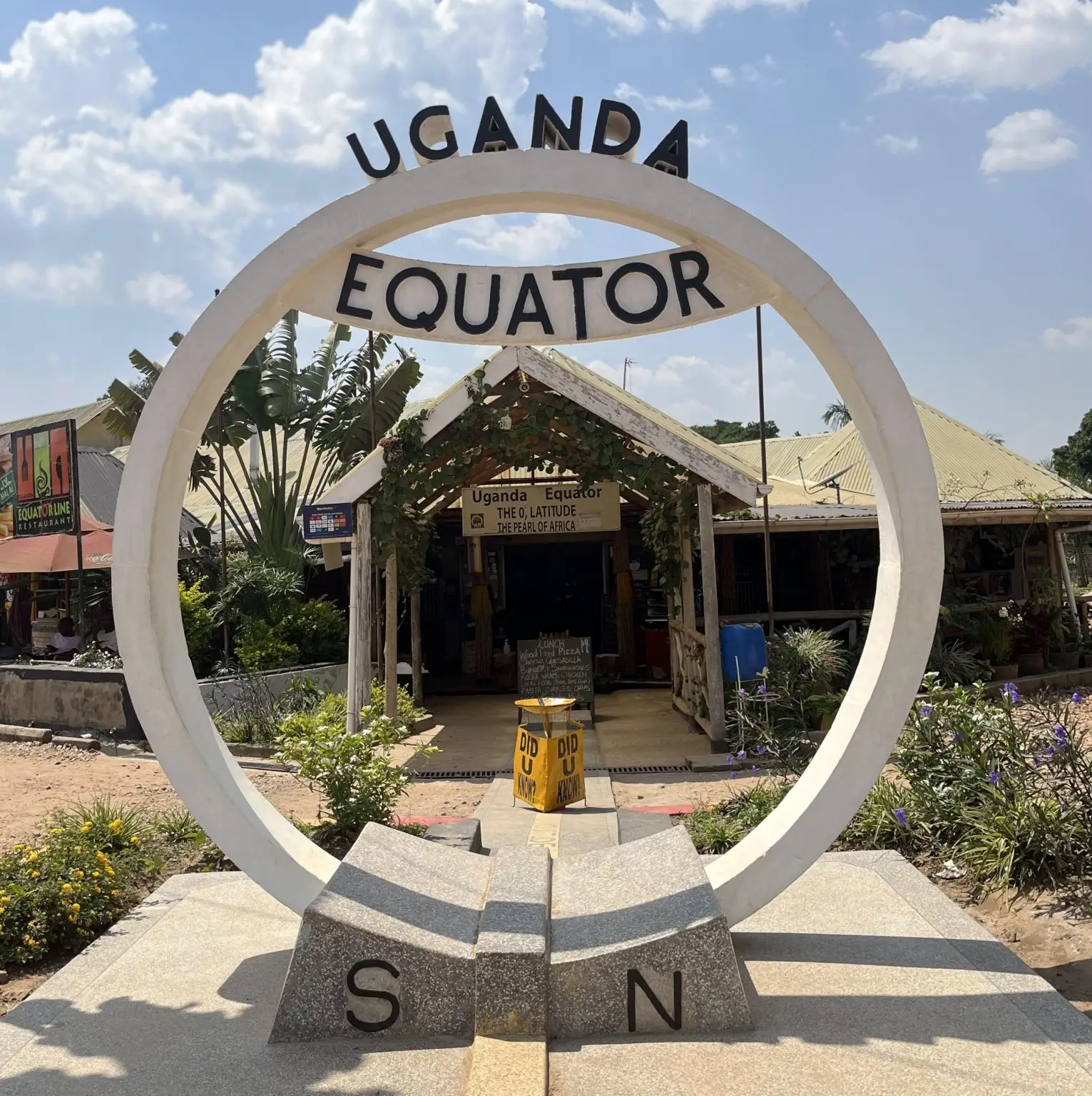
Take Photos at the Equator Monument
The most popular activity is taking photographs at the Equator monument.
It is a great place for travelers to document their journey through Uganda and create a memorable travel photograph.
If you are traveling with family or friends, the stop also provides an easy opportunity for group photographs.
Learn About the Equator
The Equator stop provides an opportunity to learn more about the geographical significance of the Equator and its relationship with Uganda.
Your guide can also explain how the Equator fits into your overall journey through the country.
Shop for Local Crafts
Travelers can browse locally made crafts and souvenirs around the Equator area.
Depending on what is available during your visit, you may find handmade artwork, carvings, clothing, jewelry and other locally produced items.
Buying directly from local businesses can also make your stop more meaningful by supporting people working around the tourism destination.
Enjoy Local Food and Refreshments
The Equator area also provides opportunities to stop for refreshments and food.
Uganda Tourism Board has highlighted Kayabwe as a stopover on journeys into western Uganda, alongside other roadside food and tourism experiences.
For travelers on a long safari drive, this can be a useful opportunity to stretch your legs and have a short break.
Is the Uganda Equator Worth Visiting?
Yes, particularly if the Equator is already along your safari route.
The biggest advantage is convenience.
You do not necessarily need to dedicate a separate day to visiting the Equator. Instead, it can be incorporated naturally into a safari traveling between Kampala or Entebbe and southwestern Uganda.
For example, a traveler heading toward Lake Mburo can stop at the Equator before continuing to the national park.
Likewise, travelers continuing toward Bwindi can include the stop during their transfer.
Uganda Equator and Lake Mburo Safari
One of the easiest ways to combine the Equator with wildlife is through a Lake Mburo safari.
A typical itinerary can begin in Kampala or Entebbe and travel southwest toward Kayabwe.
After visiting the Equator, the journey continues toward Lake Mburo National Park.
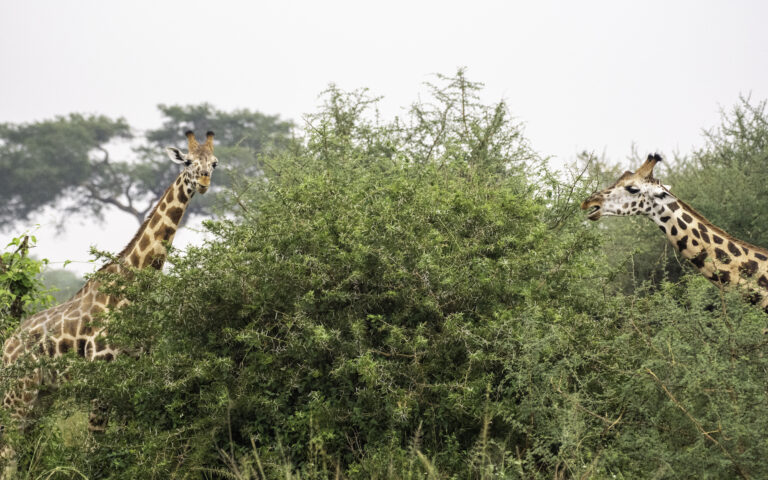
You can then enjoy a game drive looking for zebras, giraffes, impalas, buffaloes, warthogs, eland and other wildlife.
This combination works particularly well for travelers with only one day available.
It is also a good introduction to Uganda before continuing toward the country’s southwestern safari destinations.
Uganda Equator and Gorilla Trekking
Travelers heading to Bwindi Impenetrable National Park can also include an Equator stop in their itinerary.
A longer Uganda safari could follow a route such as:
Entebbe → Uganda Equator → Lake Mburo → Bwindi → Queen Elizabeth National Park → Kibale → Kampala
This allows travelers to experience several different sides of Uganda rather than focusing exclusively on gorilla trekking.
The Equator itself is not a wildlife attraction, but it adds geographical, cultural and sightseeing variety to the journey.
Uganda Equator and Queen Elizabeth National Park
The Equator can also be included when traveling toward Queen Elizabeth National Park.
After stopping at Kayabwe, you can continue toward western Uganda and eventually reach Queen Elizabeth National Park.
Once there, travelers can enjoy game drives and the famous Kazinga Channel boat cruise.
This makes the Equator a practical stop on a larger Uganda wildlife safari.
How Far Is the Uganda Equator from Kampala?
The Kayabwe Equator stop is located southwest of Kampala along the Kampala–Masaka road.
The exact travel time depends on your starting point, traffic, road conditions and the number of stops made along the way.
For that reason, it is better to plan the Equator as part of your route rather than treating the estimated driving time as a fixed schedule.
If you are booking a private safari, your guide can organize the stop around your overall itinerary.
How Long Should You Spend at the Uganda Equator?
Most travelers do not need an entire day.
A short visit can allow enough time for photographs, sightseeing, shopping and refreshments.
However, the amount of time you spend depends on your interests.
If you want to shop for crafts, have lunch or explore the surrounding area, you can stay longer.
For a safari transfer, your guide can normally plan the stop around the day’s driving schedule.
Best Time to Visit the Uganda Equator
The Uganda Equator can be visited throughout the year.
Because it is a roadside attraction rather than a seasonal wildlife experience, your visit can be planned around your main safari.
The more important consideration is your overall Uganda itinerary.
If you are traveling toward Lake Mburo, Bwindi or Queen Elizabeth National Park, the Equator can be added when it fits naturally into your route.
What Should You Bring?
You do not need specialized equipment for an Equator visit.
Consider carrying:
- Camera or smartphone
- Comfortable clothing
- Sunglasses
- Hat
- Sunscreen
- Drinking water
- Small daypack
- Some local currency for souvenirs and refreshments
If the Equator is part of a wildlife safari, carry your normal safari essentials as well.
Can Children Visit the Uganda Equator?
Yes.
The Equator is a family-friendly sightseeing stop and can be an interesting educational experience for children.
Parents can use the visit as an opportunity to explain the Northern and Southern Hemispheres and show children how geography connects with the places they are visiting.
It can therefore be a useful addition to a family safari in Uganda.
Is the Uganda Equator Good for Photography?
Yes.
The monument provides an obvious photographic landmark, while the surrounding area can also provide opportunities for travel photography.
For the best experience, consider taking:
- A group photograph
- A family photograph
- A photograph beside the Equator monument
- A photograph showing the surrounding landscape
- Informal photographs while exploring the area
A private guide can also help organize photographs when your group is traveling together.
Uganda Equator: A Stop, Not Just a Destination
One of the best ways to think about the Uganda Equator is as part of a bigger journey.
Rather than traveling across the country solely to visit the Equator, most travelers will get more value by incorporating it into a safari route.
For example:
Kampala → Equator → Lake Mburo
is ideal for a short wildlife experience.
For a longer safari:
Kampala → Equator → Lake Mburo → Bwindi → Queen Elizabeth → Kibale
can provide a much more complete Uganda experience.
This approach follows Uganda Tourism Board’s broader positioning of Uganda as a destination offering multiple experiences rather than a single attraction.
Uganda Equator Safari Packages
If you want to visit the Equator as part of a safari, Berengei Africa Safaris can incorporate the stop into a private itinerary.
Popular combinations include:
1-Day Lake Mburo Wildlife and Equator Safari
This is one of the best choices for travelers with limited time.
The day combines an Equator visit with a Lake Mburo game drive.
Uganda Gorilla and Wildlife Safari
The Equator can be included on the route toward Bwindi, particularly when the itinerary also includes Lake Mburo.
Uganda Wildlife Safari
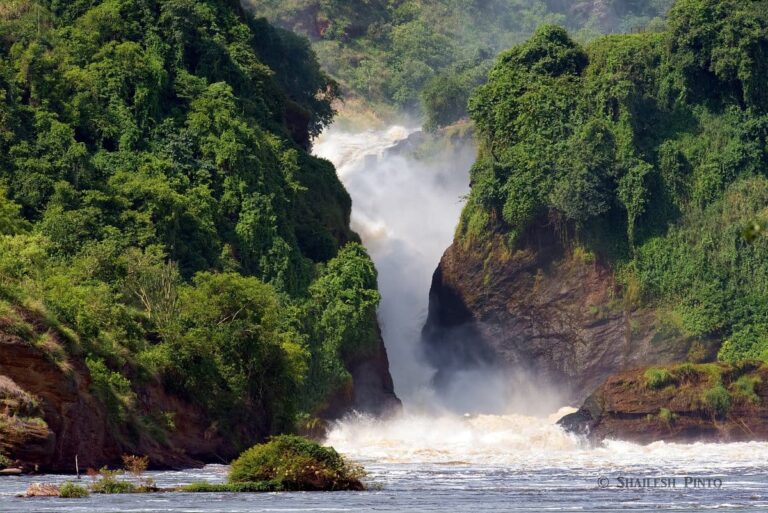
Travelers visiting Queen Elizabeth, Murchison Falls or other national parks can discuss adding the Equator where it fits naturally into their route.
Uganda and Rwanda Safari
For travelers combining Uganda and Rwanda, the Equator can be included during the Uganda portion of the itinerary.
Frequently Asked Questions About the Uganda Equator
Where is the Uganda Equator located?
Uganda has several Equator points, but Kayabwe is one of the country’s best-known visitor stops and is located along the Kampala–Masaka road.
Is Kayabwe the only Equator point in Uganda?
No. Uganda Tourism Board has identified several Equator sites across the country, including Kayabwe, Entebbe and Kikorongo among others.
Is the Uganda Equator free to visit?
Access arrangements and any charges can vary by specific site and activity. If you are traveling as part of an organized safari, your operator can confirm the current arrangements before your trip.
How long does an Equator visit take?
A short stop can take less than an hour, while travelers interested in shopping, food and additional experiences may stay longer.
Can I visit the Equator and Lake Mburo in one day?
Yes. This is one of the most practical combinations for a short Uganda safari.
Can I visit the Equator before gorilla trekking?
Yes. It can be incorporated into a longer route toward Bwindi, particularly when Lake Mburo is also included.
Is the Equator suitable for families?
Yes. It is an easy sightseeing stop and can provide an educational geographical experience for children.
What is the best time to visit the Uganda Equator?
It can be visited year-round. Your main safari destinations and travel dates should determine when you include it.
Plan Your Uganda Equator Experience
The Uganda Equator is a simple stop, but it can add something special to a Uganda safari.
You can stand at a famous geographical landmark, take photographs, explore local crafts and enjoy refreshments before continuing toward Uganda’s wildlife and cultural attractions.
If you are planning a trip to Lake Mburo, Bwindi, Queen Elizabeth National Park or another southwestern destination, ask Berengei Africa Safaris to include the Equator in your itinerary.
Contact Berengei Africa Safaris today to plan a private Uganda safari that combines the Equator with wildlife, gorilla trekking and other experiences across the Pearl of Africa.