
What You Need to Know About Self-Drive Safaris
Exploring Africa at your own pace is one of the most exciting ways to experience its wildlife, landscapes and cultures. However, before setting off, there are important things you need to understand about What You Need to Know About Self-Drive Safaris. From choosing the right 4×4 vehicle to planning your routes, booking accommodation and understanding national park regulations, proper preparation makes a big difference.
A self-drive safari gives you the freedom to decide when to leave, where to stop and how long to enjoy each destination. For example, you could spend an early morning watching elephants in Queen Elizabeth National Park, stop at a scenic viewpoint along the way and later drive towards your lodge without following a fixed group itinerary.
At Berengei Africa Safaris, we understand that independent travel requires good planning. Therefore, this guide explains how self-drive safaris work, what to prepare and how to enjoy a safe and memorable adventure in Uganda and East Africa.
1. What Is a Self-Drive Safari?
A self-drive safari is a wildlife or adventure holiday where you rent a vehicle and drive yourself between destinations instead of travelling with a professional safari driver-guide.
Unlike a traditional guided safari, you have more control over your schedule. You choose your departure times, accommodation preferences and the activities you want to enjoy. Nevertheless, you remain responsible for driving safely, following park regulations and managing your travel arrangements.
In Uganda, self-drive safaris are popular among travellers who want to explore destinations such as Bwindi Impenetrable National Park, Queen Elizabeth National Park, Murchison Falls National Park and Kibale Forest National Park.
For instance, you can rent a 4×4 vehicle in Entebbe, drive towards Murchison Falls, spend time exploring the park and continue to another destination according to your itinerary.
2. Choose the Right Vehicle for Your Safari
One of the most important things you need to know about self-drive safaris is that your vehicle can determine how comfortable and convenient your journey will be.
Uganda has different road conditions. While major highways are generally accessible, some roads leading to national parks, lodges and remote communities can be rough, muddy or slippery, particularly during rainy seasons.
For this reason, a reliable 4×4 vehicle is usually recommended.

Popular self-drive safari vehicles
Toyota Land Cruiser: A popular choice for longer safari journeys, especially when travelling through remote areas and rough terrain.
Toyota RAV4: Suitable for certain shorter journeys and destinations with relatively accessible roads. However, not every RAV4 is suitable for challenging off-road conditions.
Toyota Prado: Offers comfort, good ground clearance and 4×4 capability, depending on the model.
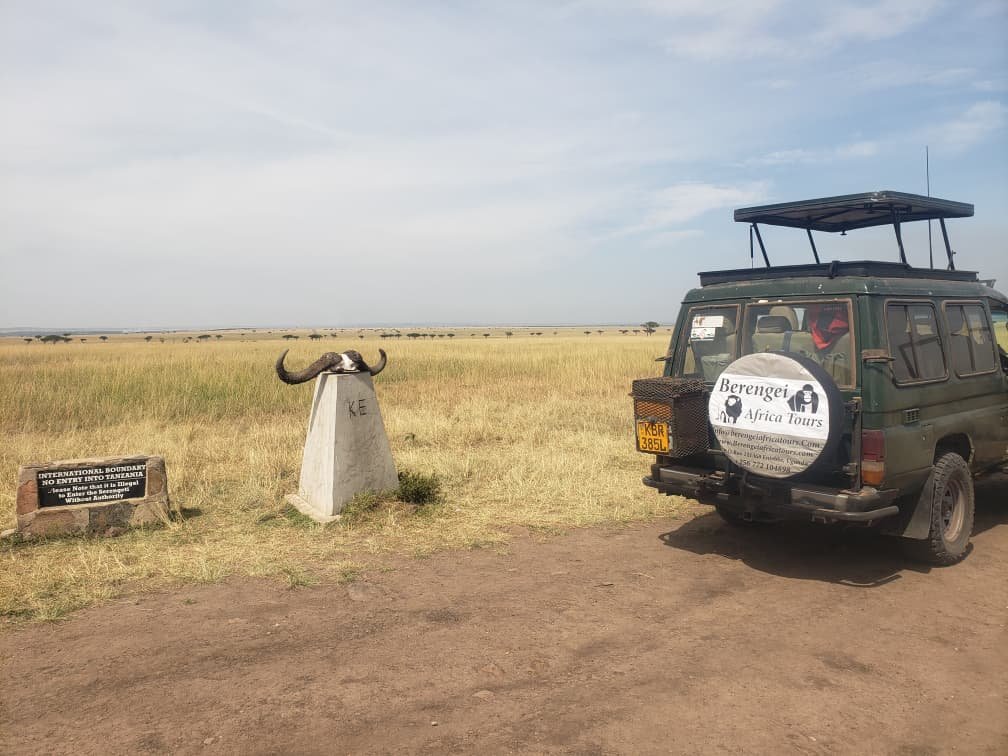
Safari Land Cruiser with a pop-up roof: A useful option for travellers who want to enjoy wildlife viewing from the vehicle while exploring national parks.
Before booking, ask the rental company about insurance, vehicle condition, spare tyres, mileage limits, roadside assistance and whether the vehicle is permitted in the destinations you intend to visit.
3. Understand the Cost of a Self-Drive Safari
The cost of a self-drive safari depends on the vehicle, travel duration, accommodation, fuel consumption, park entrance fees and activities.
Although driving yourself can reduce the cost of hiring a private driver-guide, it does not mean the entire safari will be inexpensive. You still need to budget for several important expenses.
Common self-drive safari expenses
- Vehicle rental: Depends on the vehicle type, rental period and season.
- Fuel: Your total fuel cost depends on the distance travelled and vehicle consumption.
- Accommodation: Options range from budget campsites to luxury safari lodges.
- National park fees: Park entry and applicable vehicle fees must be considered.
- Activities: Boat cruises, guided game drives, chimpanzee tracking and gorilla trekking have separate costs.
- Insurance: Check what is included in the rental agreement and whether additional cover is required.
For example, a traveller driving from Entebbe to Queen Elizabeth National Park should budget for the return journey, accommodation, fuel, park entry and activities such as a boat cruise along the Kazinga Channel.
It is advisable to request a detailed cost estimate before travelling. This helps you avoid unexpected expenses along the way.

4. Discover the Best National Parks for Self-Drive Safaris in Uganda
Uganda has several national parks where independent travellers can enjoy wildlife viewing and beautiful landscapes. However, each destination offers a different experience.
Queen Elizabeth National Park
Queen Elizabeth National Park is one of Uganda’s most rewarding destinations for wildlife viewing. You can explore its savannah plains, search for elephants, buffaloes, antelopes and lions, and enjoy beautiful views of the Rwenzori Mountains.
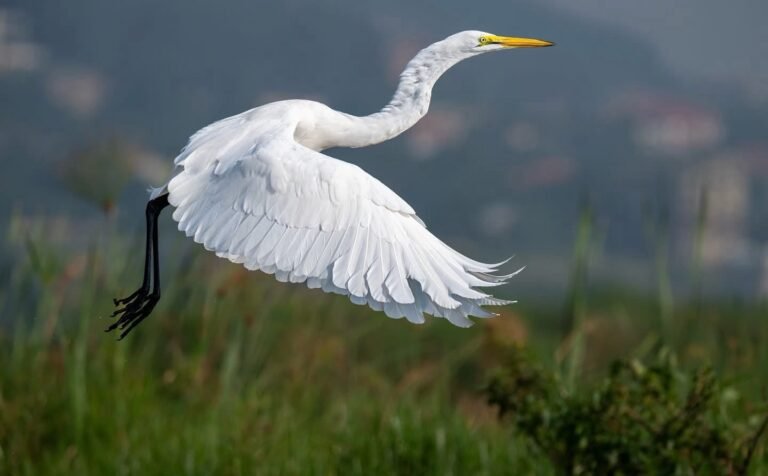
The Kasenyi Plains are particularly popular for game drives. Meanwhile, a boat cruise along the Kazinga Channel offers opportunities to see hippos, crocodiles and numerous water birds.
Murchison Falls National Park
Murchison Falls is an excellent destination for travellers interested in wildlife, dramatic scenery and adventure.
You can explore the northern savannah plains, where giraffes, elephants, buffaloes and various antelope species can be spotted. In addition, a boat trip towards the bottom of the falls offers a different perspective of the powerful River Nile.
Remember to plan your driving routes carefully because the park is divided by the Nile and access between different sections involves designated crossing points.
Bwindi Impenetrable National Park
Bwindi is internationally recognised for mountain gorilla trekking. However, the park is not a typical self-drive game-viewing destination like Queen Elizabeth or Murchison Falls.
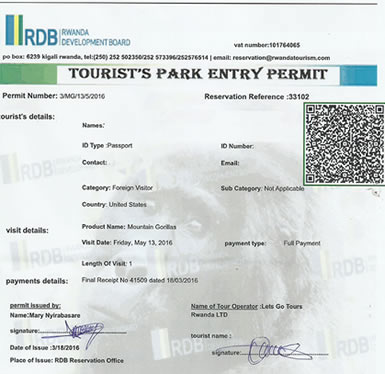
You can drive to your booked accommodation and the relevant gorilla trekking sector. Nevertheless, gorilla trekking itself is conducted with authorised park guides and requires a valid permit.
Because Bwindi has steep terrain and winding roads, a suitable 4×4 vehicle is strongly recommended.
Kibale Forest National Park
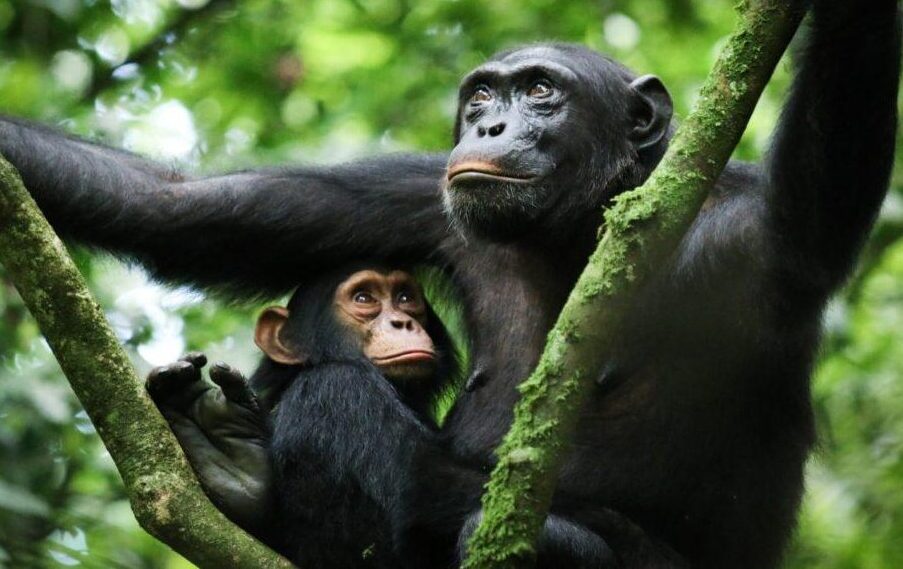
Kibale is famous for chimpanzee tracking and its rich biodiversity. You can drive to the park area independently, arrange accommodation and participate in authorised chimpanzee tracking activities.
However, tracking chimpanzees is not a self-guided activity. You must book through the relevant authorities and follow the guidance of trained park staff.
5. Plan Your Safari Routes Before Travelling
Good route planning helps you save time, manage fuel expenses and avoid unnecessary driving.
Uganda’s national parks are spread across different regions, so travelling between destinations can take several hours. Furthermore, road conditions, weather and traffic can affect your journey.
For example, a seven-day self-drive safari could include:
- Day 1: Arrive in Entebbe and collect your rental vehicle.
- Day 2: Drive to Murchison Falls National Park.
- Day 3: Enjoy a morning game drive and an afternoon boat cruise.
- Day 4: Travel towards Kibale Forest National Park.
- Day 5: Participate in chimpanzee tracking.
- Day 6: Drive to Queen Elizabeth National Park.
- Day 7: Enjoy a morning game drive before continuing your journey.
This is an example itinerary, and actual driving times should be checked before departure. If you have more days, you can include additional destinations or allow more time to relax.
6. Book Accommodation Along Your Safari Route
Accommodation is another important consideration when organising a self-drive safari.
Unlike travelling with a tour operator who may arrange your overnight stays, independent travellers need to confirm where they will sleep before reaching each destination.
Uganda offers several accommodation options, including budget guesthouses, campsites, midrange lodges and luxury safari properties.
When selecting accommodation, consider its location, road accessibility, parking facilities, security and proximity to the activities you want to enjoy.
For example, if you are planning an early morning game drive in Queen Elizabeth National Park, staying near the area you intend to explore can help reduce unnecessary driving.
During peak travel seasons, booking accommodation in advance is advisable, particularly in popular destinations such as Bwindi and Murchison Falls.
7. Understand Driving Rules and Safety in Uganda
Safety should always come first during a self-drive safari. Before leaving the rental office, make sure you understand the local driving requirements and the conditions of your rental agreement.
Uganda drives on the left-hand side of the road. International visitors should confirm that their driving licence is valid for use in Uganda and check whether an International Driving Permit is required for their circumstances.
Here are some important safety tips:
- Always wear your seat belt.
- Observe posted speed limits and road signs.
- Avoid driving at night, especially on unfamiliar rural roads.
- Keep a safe distance from wildlife.
- Never leave your vehicle in restricted areas or approach dangerous animals.
- Carry drinking water, a first-aid kit and a charged phone.
- Share your itinerary with someone you trust.
- Check weather and road conditions before travelling.
Inside national parks, follow all instructions from Uganda Wildlife Authority staff. Do not drive off designated tracks, feed animals or leave your vehicle in unsafe locations.
Additionally, avoid assuming that a road is accessible simply because it appears on a map. Some rural routes become difficult during heavy rainfall.
8. What Should You Pack for a Self-Drive Safari?
Packing properly makes your journey more comfortable, particularly when travelling between remote destinations.
Consider carrying:
- A valid driving licence and relevant travel documents.
- A mobile phone and charging equipment.
- A power bank.
- A physical or offline navigation map.
- Comfortable clothing and walking shoes.
- Sunscreen, sunglasses and a hat.
- Drinking water and snacks.
- A first-aid kit and personal essentials.
- Binoculars and a camera for wildlife viewing.
- A torch or headlamp.
You should also confirm that your rental vehicle has a spare tyre, jack, wheel spanner and basic emergency equipment.
9. Should You Choose a Self-Drive Safari or a Guided Safari?
Both options offer memorable ways to explore Uganda. However, the right choice depends on your experience, budget and travel preferences.
A self-drive safari is suitable for travellers who enjoy independence, have confidence driving in unfamiliar environments and are comfortable organising their own accommodation and activities.
On the other hand, a guided safari is a better option for travellers who prefer professional assistance, local knowledge and someone else handling the driving and logistics.
A professional guide can also help you understand animal behaviour, identify wildlife and navigate unfamiliar destinations.
If you are planning gorilla trekking, chimpanzee tracking or specialised birdwatching, professional guides and authorised activity arrangements remain important even when you drive yourself.
10. How to Book a Self-Drive Safari with Berengei Africa Safaris
Organising a self-drive safari does not have to be complicated. With the right preparation and assistance, you can enjoy the freedom of independent travel while making sure the important arrangements are in place.
At Berengei Africa Safaris, we can help you plan an adventure around your preferred destinations, travel dates, accommodation standards and budget.
To get started:
- Choose the destinations you want to visit.
- Decide how many days you want to spend exploring.
- Select a suitable safari vehicle.
- Confirm accommodation and activities.
- Prepare your travel budget.
- Request a personalised safari itinerary.
Whether you want to explore Murchison Falls, discover the wildlife of Queen Elizabeth National Park, track chimpanzees in Kibale or travel to Bwindi for gorilla trekking, we can help you organise the arrangements.
Contact Berengei Africa Safaris today to start planning your self-drive safari in Uganda. Let us help you experience the Pearl of Africa at your own pace.

Frequently Asked Questions About Self-Drive Safaris
1. Is Uganda suitable for a self-drive safari?
Yes. Uganda has several national parks and scenic routes that independent travellers can explore by car. However, a suitable 4×4 vehicle, proper planning and knowledge of local driving conditions are important.
2. Do I need a 4×4 vehicle for a self-drive safari in Uganda?
A 4×4 vehicle is strongly recommended for many safari routes, especially during rainy seasons and when visiting remote destinations. The exact vehicle you need depends on your itinerary and road conditions.
3. Can I go gorilla trekking on a self-drive safari?
Yes. You can drive yourself to Bwindi Impenetrable National Park or Mgahinga Gorilla National Park. However, gorilla trekking requires a valid permit and must be conducted with authorised park guides.
4. How much does a self-drive safari in Uganda cost?
There is no single fixed price. Costs depend on vehicle rental, fuel, accommodation, park fees, activities and the number of travel days. Request a personalised quotation to understand the full cost of your trip.
5. Is it safe to drive through Uganda’s national parks?
Self-drive safaris can be enjoyed safely when visitors follow park regulations, remain on designated tracks and maintain a safe distance from wildlife. Always follow instructions from park authorities.
6. Can I rent a car in Entebbe and drive to national parks?
Yes. Travellers can arrange vehicle rental in the Entebbe area and use it to visit various destinations across Uganda. Confirm the rental company’s cross-country permissions, insurance and vehicle suitability before departure.
7. Is a self-drive safari cheaper than a guided safari?
It can be cheaper, particularly for travellers who are comfortable driving and managing their own arrangements. However, fuel, vehicle rental, accommodation, activities and other expenses must still be included in your budget.
Inconclusion therefore
Understanding What You Need to Know About Self-Drive Safaris helps you prepare for an independent adventure without overlooking important details. From choosing a reliable 4×4 vehicle to planning routes, arranging accommodation and understanding park regulations, every decision contributes to a better travel experience.
Uganda offers incredible opportunities for independent exploration, from the powerful Murchison Falls and wildlife-rich Queen Elizabeth National Park to the forests of Kibale and Bwindi.
With proper preparation, you can discover these destinations at your own pace and create unforgettable memories along the way.
Ready to explore Uganda independently? Contact Berengei Africa Safaris and let us help you plan your next self-drive adventure.