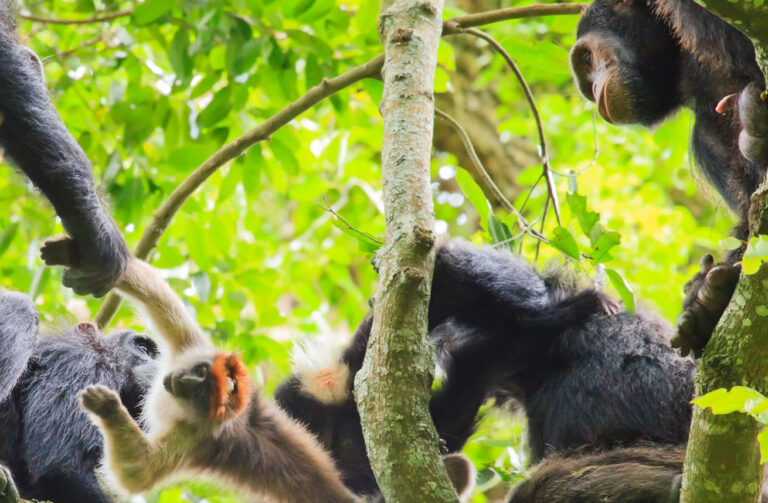
Where Do Chimpanzees Live?
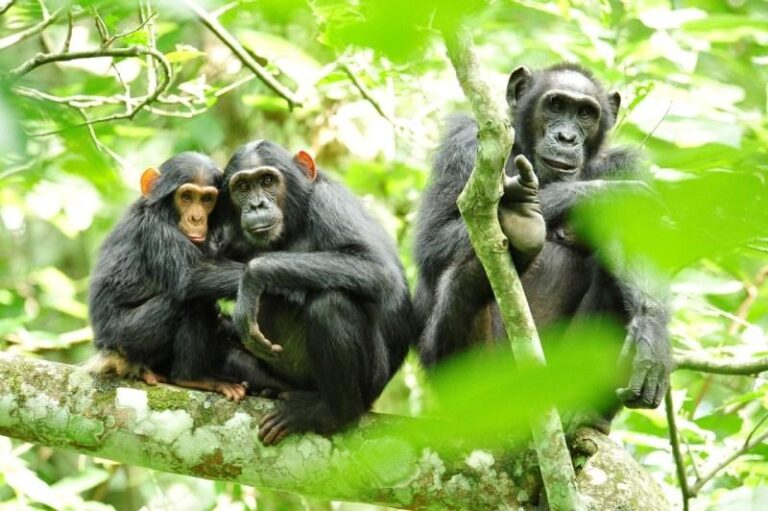
Chimpanzees are among the closest living relatives of humans, sharing approximately 98.8% of our DNA. Their intelligence, complex social behavior, and ability to use tools make them one of Africa’s most fascinating wildlife species. However, many travelers often ask, where do chimpanzees live?
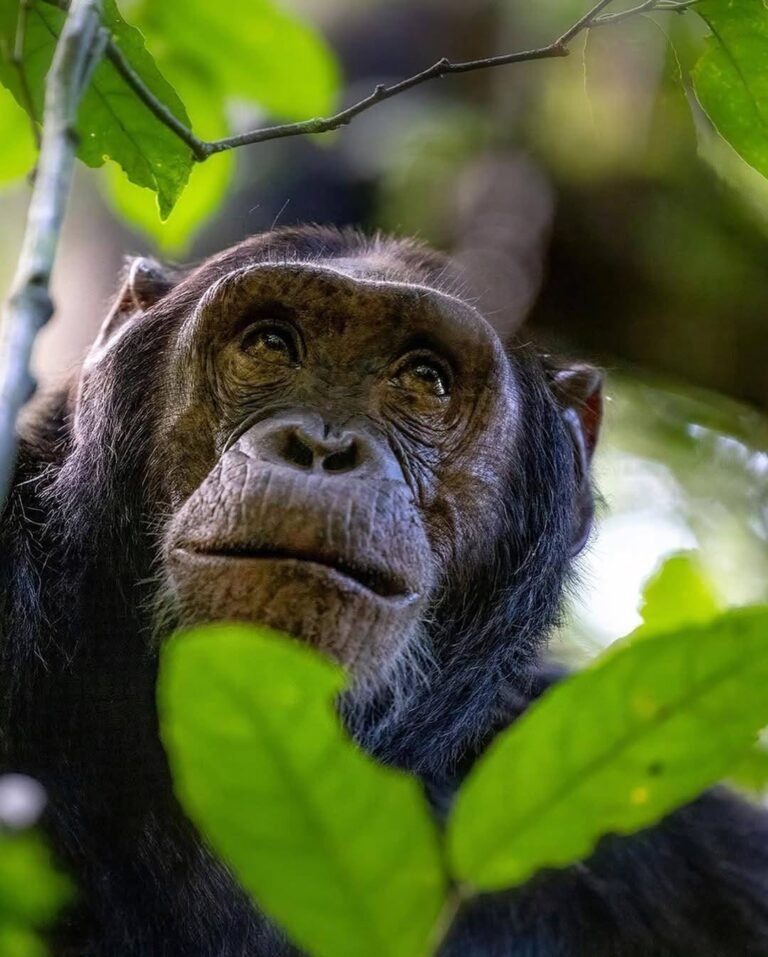
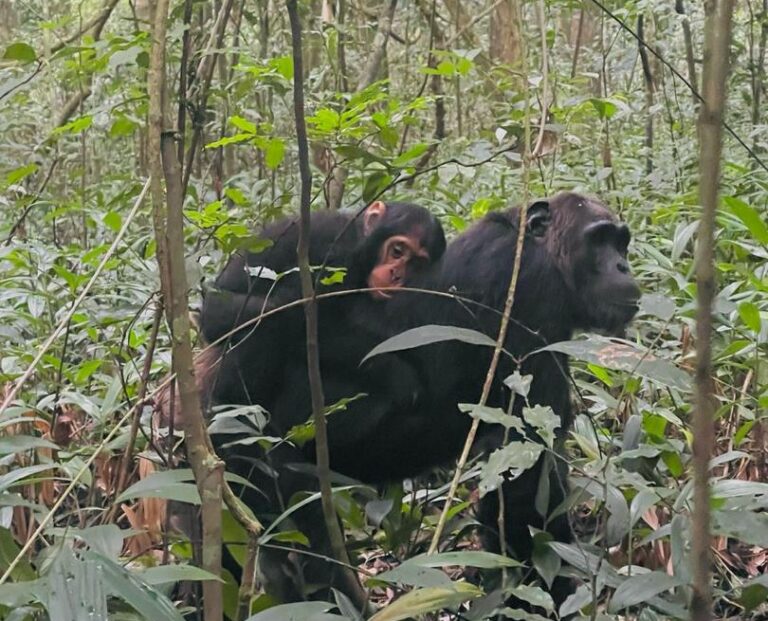
Chimpanzees are native to tropical Africa, where they inhabit dense rainforests, woodland forests, swamp forests, and savannah woodlands. Today, they are found in 21 African countries stretching from West Africa to East Africa. Uganda is one of the best destinations to observe these remarkable primates in their natural habitat, offering unforgettable chimpanzee trekking experiences throughout the year.
In this guide, you will discover where chimpanzees live, the different habitats they occupy, the countries where they are found, and the best places to see them during an African safari.
“Chimpanzees are highly adaptable primates that can survive in several different ecosystems provided there is enough food, water, and shelter.”
Understanding Chimpanzee Habitats
Chimpanzees are highly adaptable primates. Although they prefer tropical forests, they can survive in several different ecosystems provided there is enough food, water, and shelter.
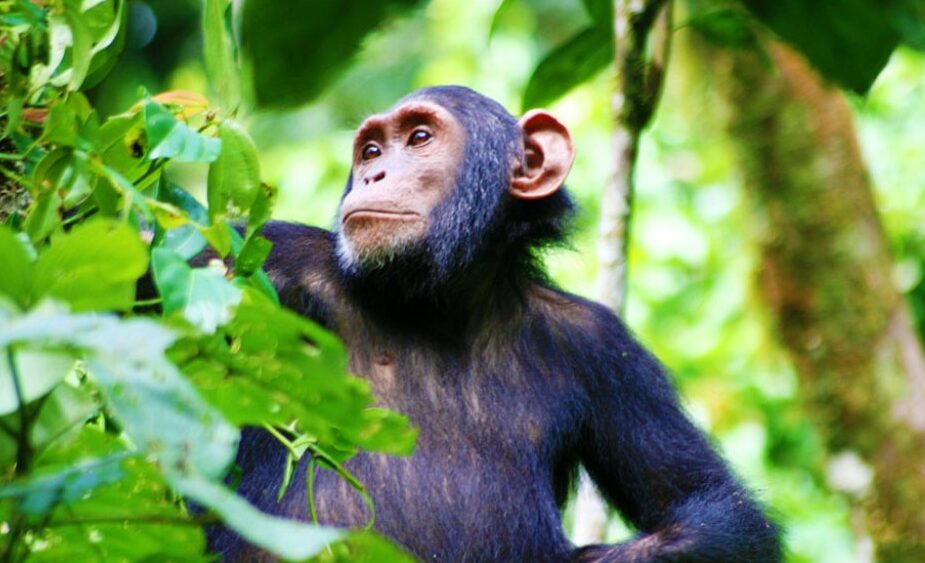
Their natural habitats include the following:
Tropical Rainforests
Dense, evergreen forests
Montane Forests
High-altitude forests
Swamp Forests
Seasonally flooded areas
Woodland Savannahs
Mixed trees and grasslands
Riverine Forests
Forests along rivers
Forest Mosaics
Mixed habitats
These habitats provide abundant fruits, leaves, insects, nuts, and nesting trees that chimpanzees rely on for survival.
Because food availability changes throughout the year, chimpanzees often travel several kilometers each day while searching for fruiting trees.
Countries Where Chimpanzees Live
Chimpanzees naturally occur across equatorial Africa. Their range extends through 21 countries, including:
While chimpanzees inhabit many African countries, only a few destinations have developed sustainable tourism programs that allow visitors to track habituated chimpanzees safely.
Where Do Chimpanzees Live in Uganda?
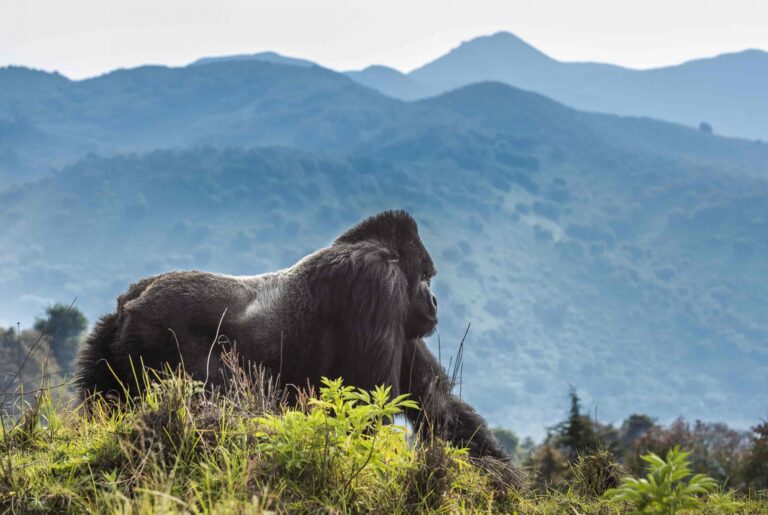
Uganda is often referred to as the Primate Capital of the World because it is home to more than half of Africa’s remaining mountain gorillas and an estimated 5,000 wild chimpanzees.
Several protected forests offer exceptional chimpanzee trekking experiences.
Kibale National Park
Kibale National Park is Uganda’s premier chimpanzee trekking destination. The park protects over 1,500 chimpanzees, making it one of the highest concentrations in Africa.
Besides chimpanzees, visitors may encounter:
- Red-tailed monkeys
- Black-and-white colobus monkeys
- L’Hoest’s monkeys
- Grey-cheeked mangabeys
- Olive baboons
The forest itself is lush, scenic, and rich in birdlife, making every trek rewarding.
Budongo Forest
Located within the Murchison Falls Conservation Area, Budongo Forest is another outstanding location for chimpanzee trekking.
The forest features towering mahogany trees, diverse bird species, and well-habituated chimpanzee communities.
Many travelers combine chimpanzee trekking in Budongo with wildlife viewing in Murchison Falls National Park.
Kyambura Gorge
Often called the “Valley of Apes,” Kyambura Gorge lies inside Queen Elizabeth National Park.
Although sightings are less predictable than in Kibale, trekking through this dramatic gorge offers a unique adventure surrounded by spectacular scenery.
Kalinzu Forest
Kalinzu Forest Reserve is one of Uganda’s hidden gems for chimpanzee trekking.
The reserve boasts a high success rate for chimpanzee sightings while offering fewer crowds than more popular parks.
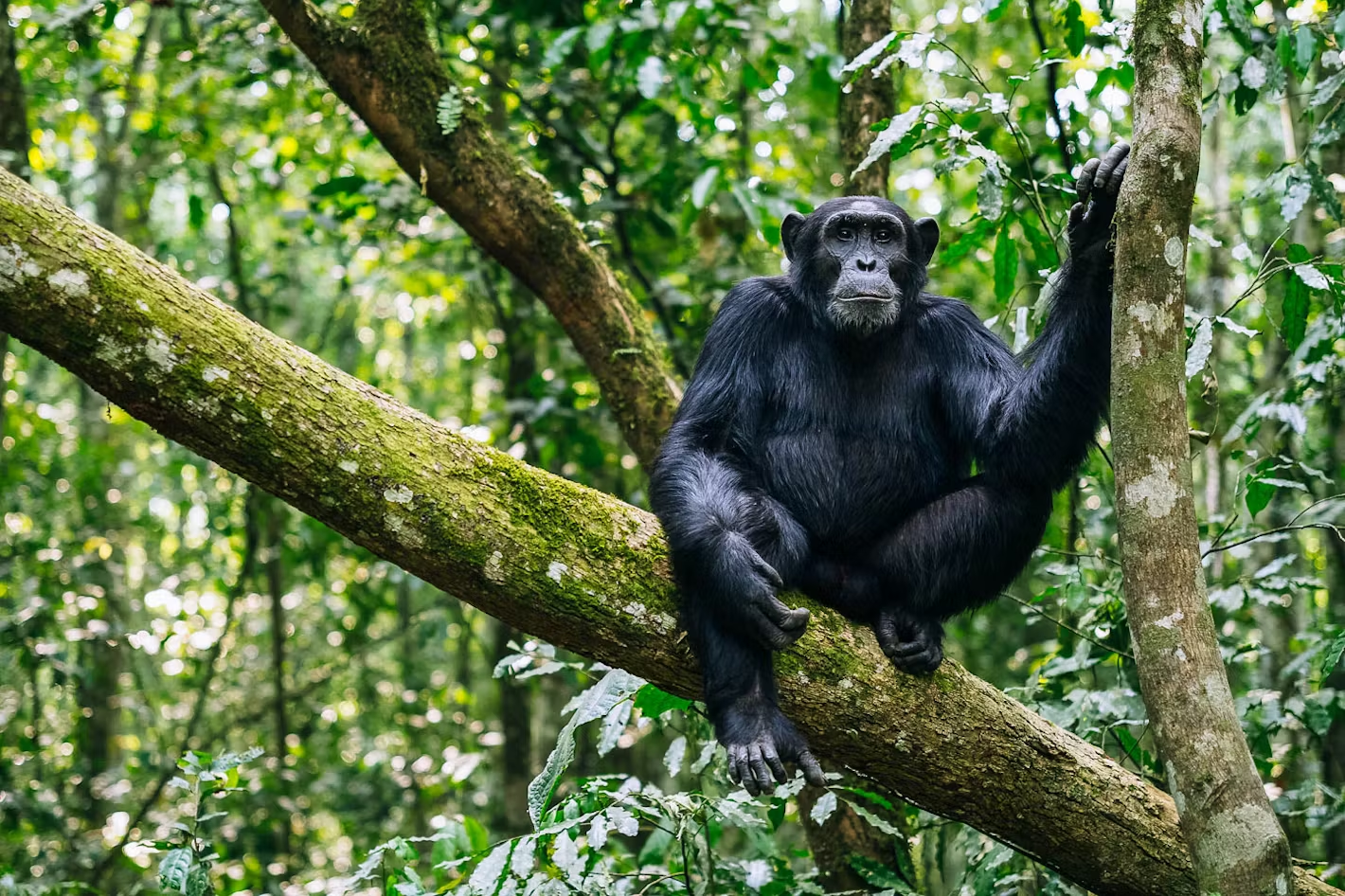
Where Do Chimpanzees Live in Rwanda?
Rwanda’s main chimpanzee trekking destination is Nyungwe Forest National Park.
Nyungwe is one of Africa’s oldest rainforests and protects hundreds of chimpanzees alongside numerous monkey species and more than 300 bird species.
The park’s mist-covered mountains and ancient forest create an unforgettable trekking experience.
Chimpanzees in Tanzania
Tanzania is famous for chimpanzees living in remote western parks.
The most notable locations include:
- Gombe National Park – made famous by Jane Goodall’s pioneering research
- Mahale Mountains National Park – home to large chimpanzee communities
These parks became internationally known through pioneering chimpanzee research and continue to attract wildlife enthusiasts from around the world.
Types of Forests Chimpanzees Prefer
Chimpanzees require forests with abundant food and nesting sites.
Their favorite environments include:
Tropical Rainforests
Rainforests provide year-round fruit production, making them ideal habitats.
Woodland Forests
These forests contain scattered trees mixed with open grasslands where chimpanzees forage.
Swamp Forests
Swamp forests offer seasonal fruits and safe nesting areas.
Montane Forests
Chimpanzees can also survive at higher elevations where suitable vegetation exists.
Why Forests Are Essential for Chimpanzees
Forests provide nearly everything chimpanzees need:
Every evening, chimpanzees build fresh nests high in the trees using branches and leaves.
What Do Chimpanzees Eat?
Chimpanzees are omnivores with a varied diet.
They commonly feed on:
Fruit makes up the largest portion of their diet.
Why Are Chimpanzees Endangered?
Although chimpanzees occupy a wide range across Africa, their populations continue to decline.
Major threats include:
Habitat Loss
Agricultural expansion, logging, and infrastructure development destroy forests.
Poaching
Chimpanzees are illegally hunted for bushmeat or captured for the illegal pet trade.
Disease
Chimpanzees are vulnerable to diseases transmitted by humans, including respiratory infections.
Climate Change
Changing rainfall patterns affect fruit production and forest health.
Fortunately, national parks and conservation organizations are working to protect remaining populations.
Best Time to See Chimpanzees
Chimpanzees can be tracked throughout the year.
However, the dry seasons generally provide easier hiking conditions.
The best months include:
- December to February
- June to September
During the rainy seasons, forests become greener, although trails may be muddy.
Tips for Chimpanzee Trekking
To enjoy a successful chimpanzee trek:
Sturdy Hiking Boots
Wear comfortable footwear
Drinking Water
Stay hydrated during the trek
Rain Jacket
Weather can change quickly
Long-Sleeved Clothing
Protection from vegetation
Follow Instructions
Listen to your ranger
Keep Distance
Respect wildlife boundaries
No Flash Photography
Protect the chimpanzees
Remain Quiet
Avoid disturbing wildlife
Respecting these guidelines helps protect both visitors and wildlife.
Why Visit Uganda for Chimpanzee Trekking?
Uganda remains one of Africa’s finest destinations for chimpanzee encounters because it offers:
- High chimpanzee populations
- Multiple trekking locations
- Experienced guides
- Affordable permits
- Beautiful tropical forests
- Opportunities to combine chimpanzee trekking with gorilla trekking and classic wildlife safaris
Whether you are a first-time visitor or a seasoned wildlife enthusiast, Uganda delivers an unforgettable primate adventure.
Frequently Asked Questions
Where do chimpanzees naturally live?
Chimpanzees naturally live in tropical forests, woodland forests, and savannah regions across Central, East, and West Africa.
Which country has the most chimpanzees?
Uganda is one of the leading destinations for wild chimpanzees, with an estimated population of around 5,000 individuals spread across several protected forests.
Can tourists see chimpanzees in the wild?
Yes. Visitors can join guided chimpanzee trekking experiences in Uganda, Rwanda, and Tanzania to observe habituated chimpanzees responsibly.
Are chimpanzees only found in rainforests?
No. Although rainforests are their preferred habitat, chimpanzees also live in woodland forests, swamp forests, and savannah mosaics.
How long does chimpanzee trekking take?
A chimpanzee trek may last between two and six hours, depending on where the chimpanzees are located on the day of your visit.
What is the best time to see chimpanzees?
The dry seasons from December to February and June to September offer the best trekking conditions, though chimpanzees can be seen year-round.
Can I combine chimpanzee trekking with gorilla trekking?
Yes. Uganda offers both chimpanzee and gorilla trekking, making it the perfect destination for a complete primate safari.
Conclusion
Understanding where chimpanzees live helps visitors appreciate the importance of conserving Africa’s remaining forests. From the dense rainforests of Kibale National Park to the dramatic landscapes of Kyambura Gorge and the ancient forests of Rwanda, chimpanzees continue to thrive where their habitats are protected.
If you are dreaming of seeing these incredible primates in the wild, Uganda offers some of the most rewarding chimpanzee trekking experiences in Africa. With expert guides, well-managed parks, and exceptional biodiversity, it is the perfect destination for an unforgettable primate safari.
Plan Your Chimpanzee Adventure with Berengei Africa Safaris
Ready to experience chimpanzees in their natural habitat? Berengei Africa Safaris specializes in tailor-made chimpanzee trekking tours across Uganda and East Africa. Whether you want a short primate excursion or a complete safari combining chimpanzees, gorillas, and wildlife, our experienced team will create an unforgettable journey just for you.
Contact Berengei Africa Safaris today and let us help you discover Africa’s incredible primates in the wild.