Is Bwindi Impenetrable National Park Worth Visiting?
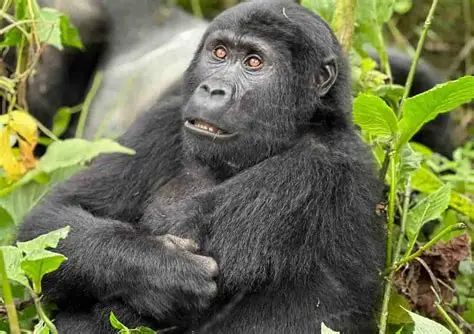
If you’re planning a Uganda safari, you’ve probably asked yourself one important question: Is Bwindi Impenetrable National Park worth visiting? The short answer is an emphatic yes. Hidden deep in the mist‑covered hills of southwestern Uganda, Bwindi is not just another national park it is a living, breathing treasure chest of biodiversity and the stage for one of the most profound wildlife encounters on Earth: staring into the eyes of a wild mountain gorilla.
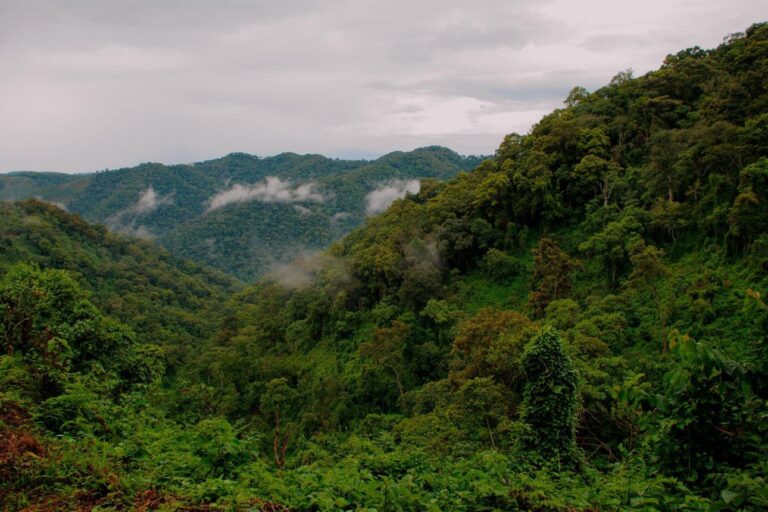
Bwindi Impenetrable National Park protects almost half of the world’s remaining mountain gorillas, making it the single most important destination for anyone who dreams of spending time with these gentle giants. But gorilla trekking is only the beginning. Ancient rainforest that has survived for over 25,000 years, rare birds found nowhere else, tumbling waterfalls, and vibrant local cultures all combine to create a place that truly lives up to its name impenetrable, mysterious, and unforgettable.
In this detailed guide, we’ll unpack everything that makes Bwindi worth every single step, dollar, and moment of planning. You’ll discover what gorilla trekking really feels like, the mind‑blowing biodiversity of the forest, the differences between the four trekking sectors, the best times to visit, permit costs and how they compare to Rwanda, the top lodges for every budget, and the surprising activities that go far beyond gorillas.
By the end, you’ll understand exactly why Bwindi belongs at the very top of your travel list.
Why Is Bwindi Impenetrable National Park Worth Visiting?
Bwindi Impenetrable National Park is worth visiting because it provides the best opportunity in the world to see endangered mountain gorillas in their natural habitat. With roughly 459 gorillas — nearly half the global population — and a trekking success rate of over 95%, visitors are almost guaranteed an encounter. The park is also a UNESCO World Heritage Site, protecting one of Africa’s oldest rainforests and over 350 bird species, 120 mammal species, and countless butterflies and plants. Add to that the intimate cultural experiences with the Batwa pygmies and the breathtaking mountain scenery, and you have a destination that offers far more than just a wildlife checklist. It’s a place that changes the way you see the natural world.
Gorilla Trekking in Bwindi: The Experience of a Lifetime
Gorilla trekking in Bwindi is not a typical safari activity. It’s an active, physical adventure that takes you deep into one of Africa’s most rugged rainforests. Your day begins early with a briefing at the park headquarters, where rangers divide visitors into small groups of eight and assign each group to a specific habituated gorilla family. The trek can last anywhere from one to six hours, depending on where the gorillas spent the night and how far they’ve moved while foraging.
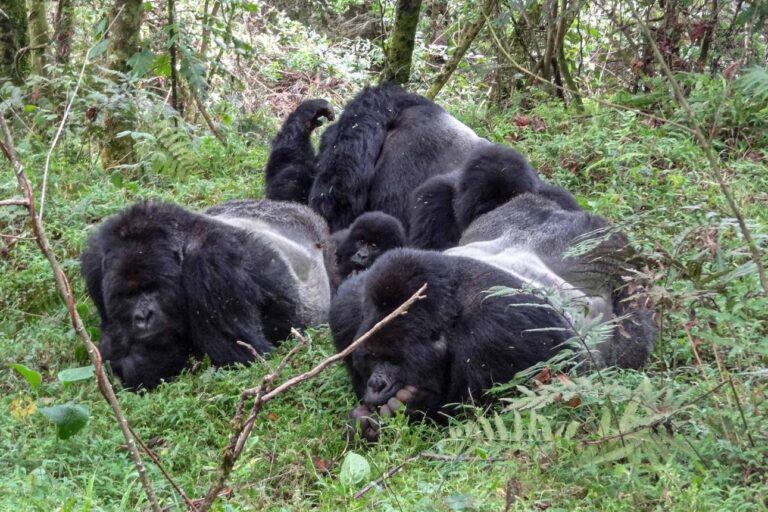
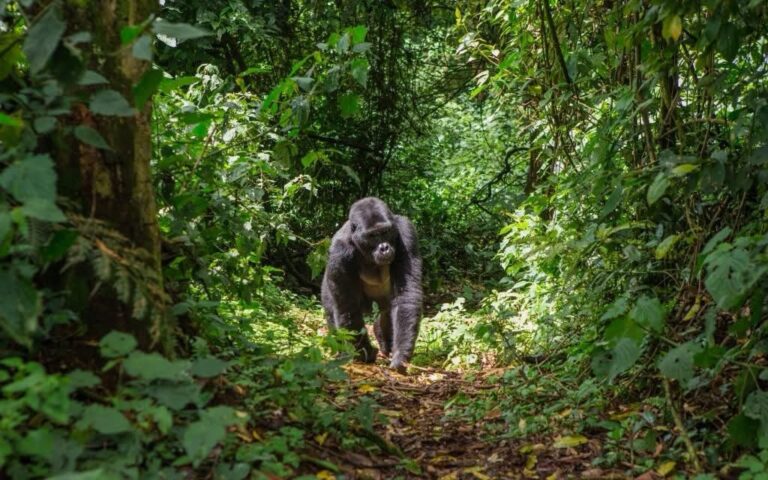
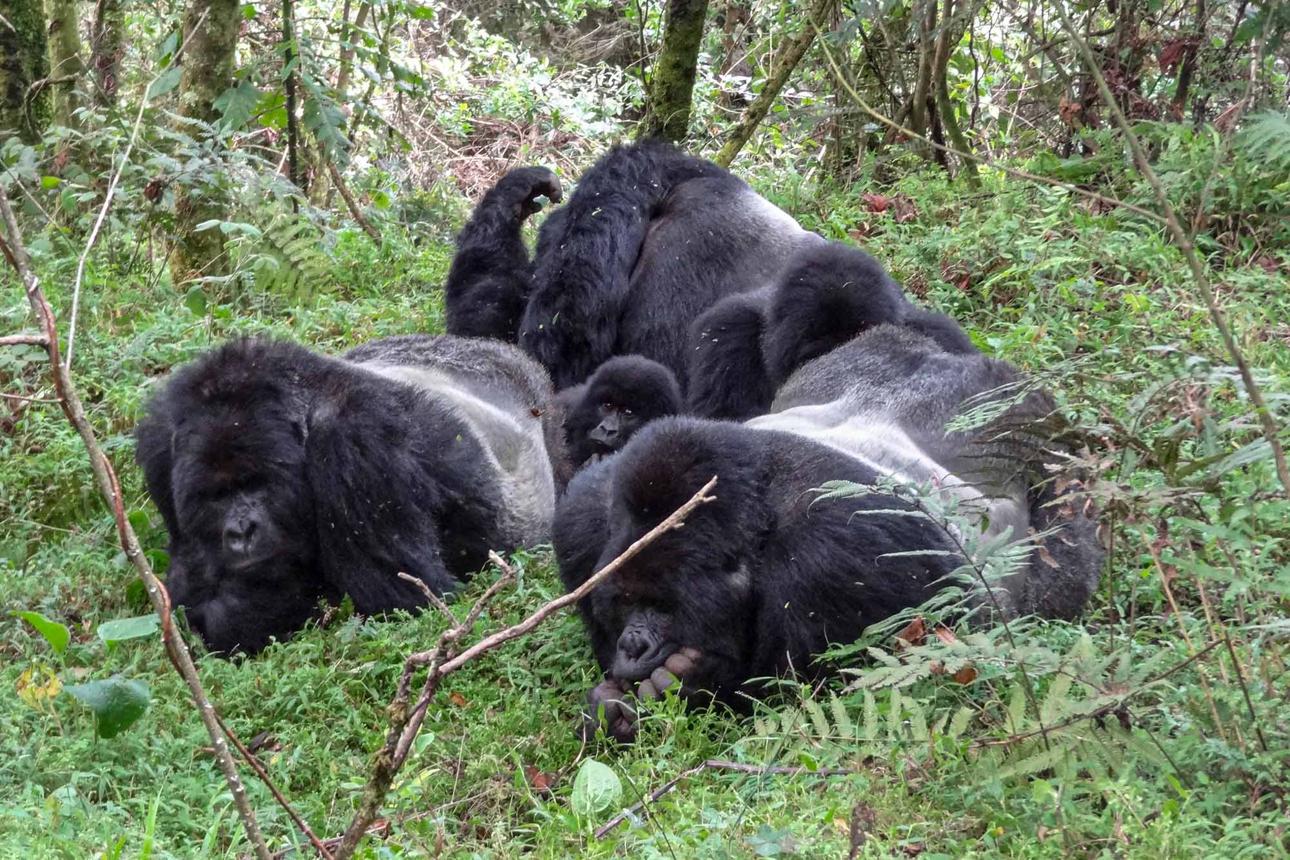
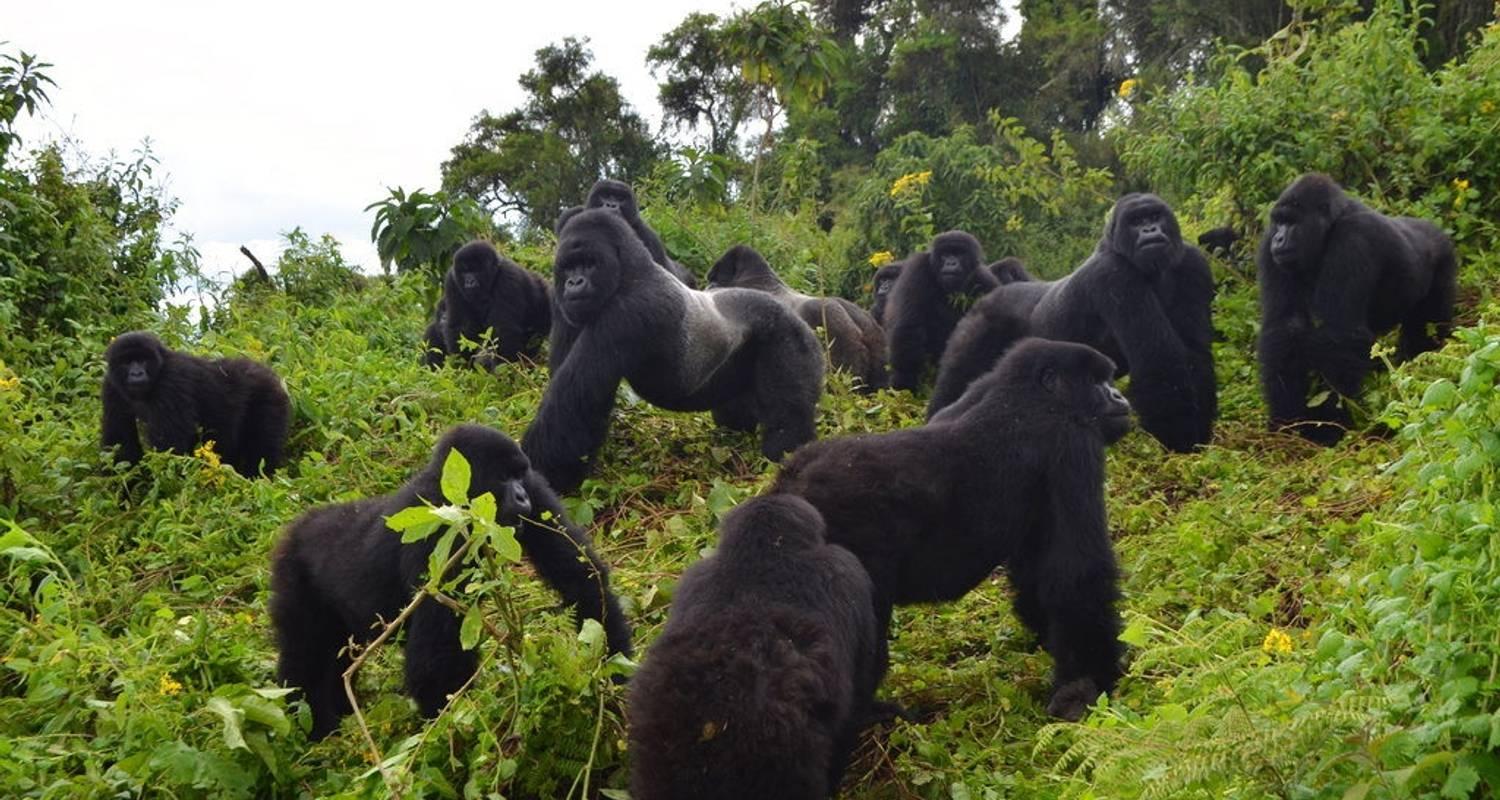
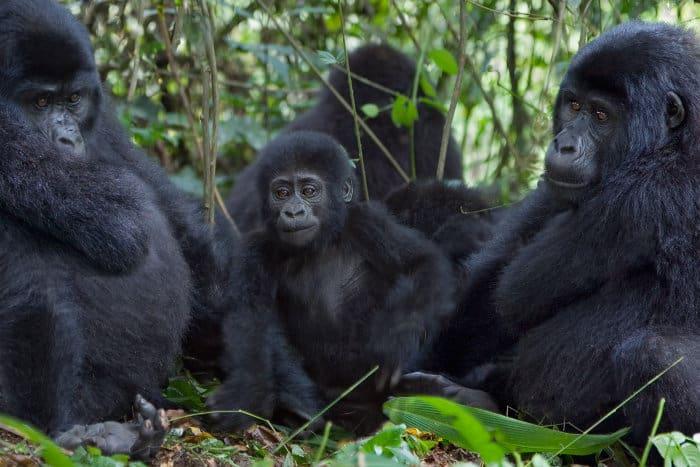
The hike itself is part of the thrill. Trails wind steeply through thick vegetation, across streams, and under a canopy of ancient trees draped in moss. Porters are available to carry your daypack and offer a steadying hand on slippery slopes many travelers say hiring a porter was the best decision they made. Then, suddenly, the dense forest opens and you see them: a silverback resting against a tree, a mother cradling her infant, juveniles tumbling through the undergrowth. For one full hour, you watch, photograph, and simply absorb the presence of these magnificent animals. It’s a raw, emotional encounter that often leaves visitors speechless.
Because Bwindi has multiple habituated groups spread across four sectors, trekking permits are limited to only 192 per day. This low‑volume approach minimizes stress on the gorillas and ensures that every trek feels personal and un-rushed.
The minimum age is 15, and anyone with a reasonable level of fitness can participate the porters and guides are incredibly skilled at matching the pace to the group’s ability.
The Incredible Biodiversity of Bwindi
While gorillas steal the spotlight, Bwindi’s true richness lies in its staggering biodiversity. The forest is classified as an Afromontane rainforest and is one of the few places on the continent where lowland and montane ecosystems blend seamlessly. It supports:
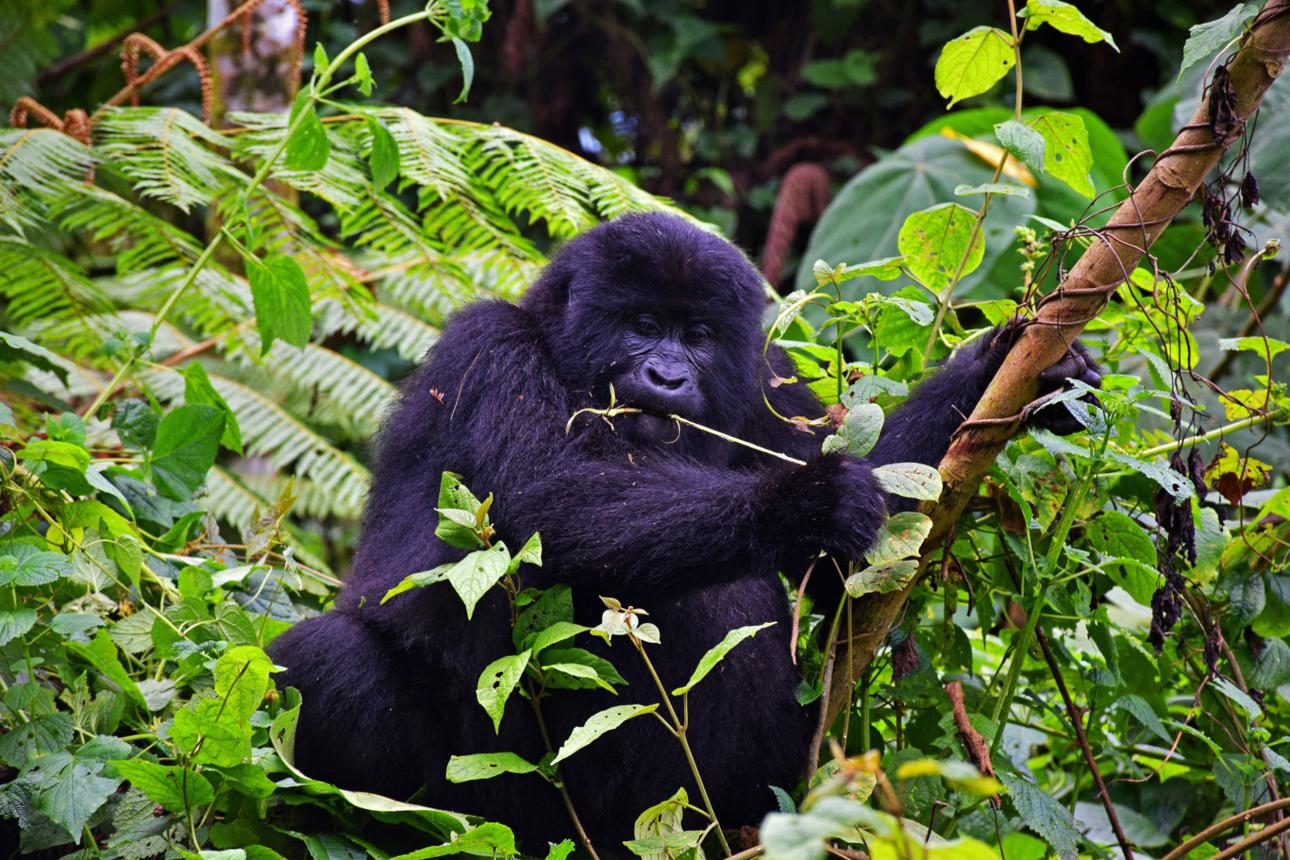
- Mammals: 120 species including forest elephants, duikers, giant forest hogs, and several species of monkeys L’Hoest’s, red‑tailed, blue, and black‑and‑white colobus.
- Birds: Over 350 species, with 23 Albertine Rift endemics. The African green broadbill, Shelley’s crimsonwing, and the handsome francolin are just a few of the highly sought‑after sightings.
- Butterflies: An astonishing 200 species flutter through the forest, many endemic to the region.
- Flora: 324 tree species, countless ferns, orchids, and vines it’s a botanist’s paradise and one of the reasons the forest feels so “impenetrable”.
Simply walking a Bwindi trail is like stepping into a living museum of evolution. The forest has existed since the last Ice Age, and its isolation has allowed species to evolve in remarkable ways. Even if you never saw a gorilla, the sheer abundance of life would make Bwindi an unforgettable destination.
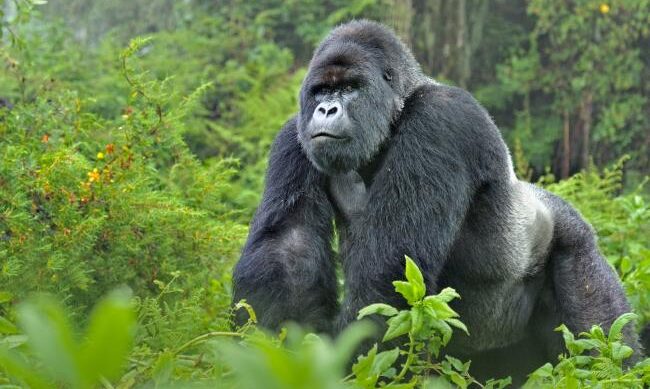
Understanding Bwindi’s Four Gorilla Trekking Sectors
Bwindi is not one uniform block — it is divided into four distinct sectors, each with its own character, gorilla families, and accommodation options. Choosing the right sector can make a big difference in your overall experience.
- Buhoma: The oldest and most established sector in the north of the park. Buhoma boasts the widest range of lodges — from budget to luxury — and is the easiest to reach for travelers combining Bwindi with Queen Elizabeth National Park. The trails here are slightly less steep, making it a popular choice for first‑time trekkers.
- Ruhija: Located in the east at a higher elevation (about 2,300m), Ruhija is cooler and less crowded. It’s the best sector for birders, offering the highest concentration of Albertine Rift endemics. The treks can be longer but are exceptionally scenic.
- Rushaga: In the south, Rushaga has the largest number of habituated gorilla families and is often the easiest place to secure permits, especially during peak season. It’s also the only sector that offers the gorilla habituation experience (a full‑day encounter with a semi‑habituated family).
- Nkuringo: The most dramatic sector, perched on the edge of the forest with sweeping views of the Virunga volcanoes. Treks here are notoriously steep — it’s not unusual to descend and then climb over 600 meters of elevation — but the scenery and the sense of remote wilderness are unparalleled.
Most travelers choose their sector based on permit availability and the type of experience they want. A combination of two sectors is also possible for those wanting to explore different facets of the park.
Best Time to Visit Bwindi Impenetrable National Park
Bwindi is open year‑round, but the timing of your visit can shape the trekking conditions and overall atmosphere. The dry seasons — June to August and December to February are the most popular. During these months, the forest trails are firmer, the gorillas tend to stay at slightly lower elevations, and photography conditions are excellent with clearer light. However, this is also when permits and lodges book up fastest, so advance planning is essential.
The rainy seasons March to May and October to November bring heavier showers that turn trails into muddy, slippery challenges. But the rewards are plenty: the forest is incredibly lush and green, there are far fewer visitors, and many lodges offer discounted rates. Gorilla trekking is still successful during the rains — the gorillas don’t mind the weather and the misty atmosphere adds an extra layer of magic to the experience. Just be prepared with waterproof gear and a good pair of hiking boots.
Gorilla Trekking Permits and Costs
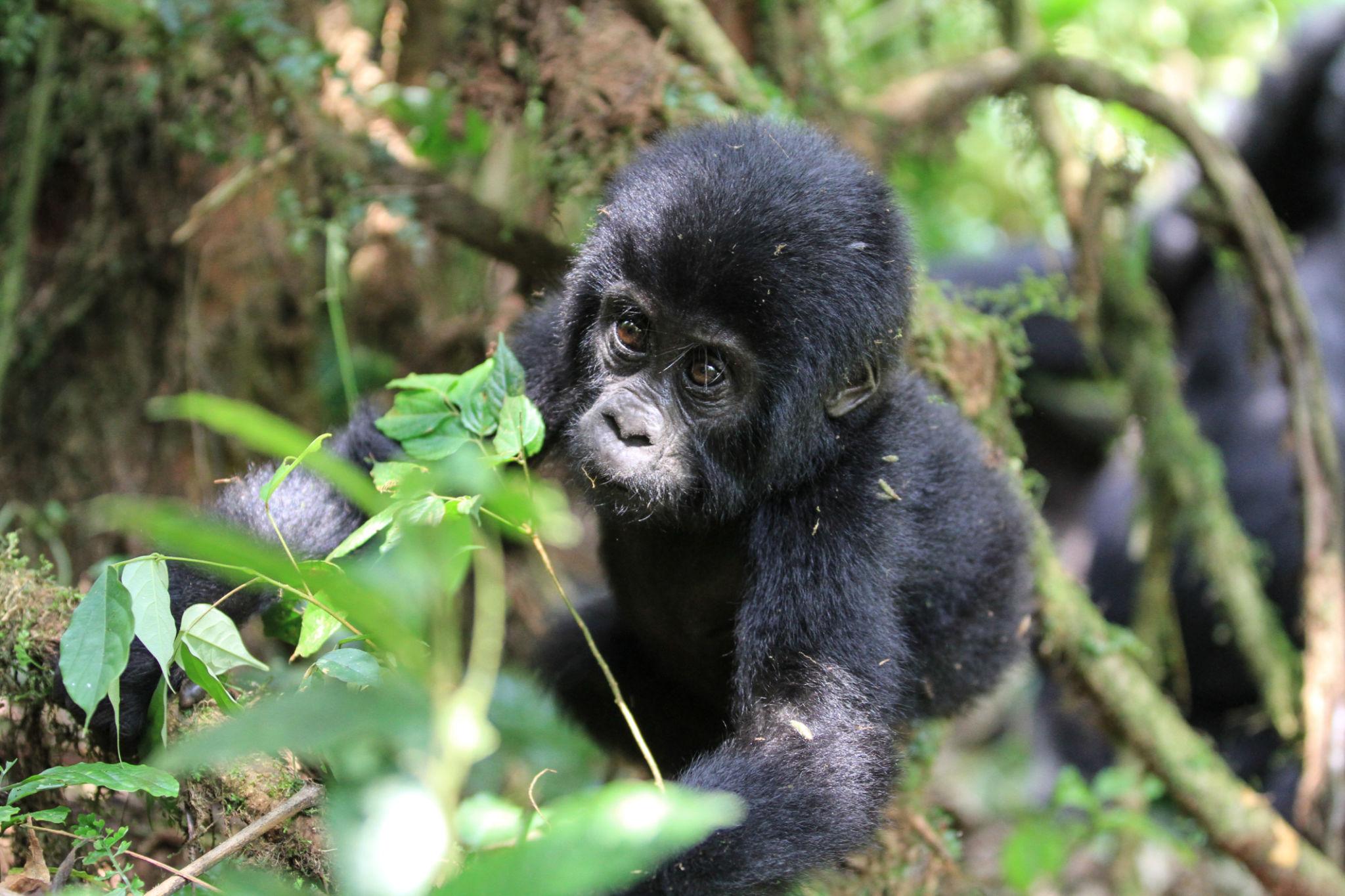
A gorilla trekking permit in Bwindi costs USD 800 per person for foreign non‑residents (2026). This fee includes park entry, the services of expert ranger guides, and the precious hour spent with the gorillas. Permits must be booked months in advance often 3–6 months because the Uganda Wildlife Authority strictly limits the number of trekkers each day to protect the gorillas and maintain a high‑quality experience.
When you compare this to Rwanda’s permit price of USD 1,500 in Volcanoes National Park, Uganda offers extraordinary value. The USD 700 difference could cover several nights of mid‑range accommodation, a wildlife safari in Queen Elizabeth, or even an additional activity like chimpanzee trekking in Kibale. For many travelers, this value proposition is the deciding factor you can do more, see more, and still experience the same world‑class gorilla encounter.
Bwindi vs. Volcanoes National Park — Which Is Better for Gorilla Trekking?
While both parks offer life‑changing gorilla treks, they differ in several important ways. Bwindi’s terrain is denser, hillier, and feels more like a true jungle expedition. The forest is darker and more “impenetrable,” which some trekkers find more adventurous and immersive. Volcanoes National Park in Rwanda, on the other hand, has more open bamboo zones and can sometimes offer slightly shorter treks.
Accessibility is another key factor. Volcanoes is a convenient 2.5‑hour drive from Kigali International Airport, making it ideal for travelers with limited time. Reaching Bwindi from Entebbe takes a full day by road (8–10 hours), though domestic flights to Kihihi or Kisoro airstrips cut travel time dramatically. Cost‑wise, Bwindi is the clear winner — not only is the permit cheaper, but accommodation and overall safari packages also tend to be more affordable in Uganda. Ultimately, both destinations are exceptional, but Bwindi’s combination of raw wilderness, biodiversity, and value makes it the top choice for many African safari enthusiasts.
Where to Stay: The Best Lodges Near Bwindi
Accommodation around Bwindi ranges from simple community camps to ultra‑luxury retreats that rival five‑star hotels. Your choice will often depend on which sector you’re trekking from, as the steep, winding roads make crossing between sectors time‑consuming.
- Luxury: Clouds Mountain Gorilla Lodge (Nkuringo) stunning volcano views, private cottages, and exceptional service. Sanctuary Gorilla Forest Camp (Buhoma) — tented luxury right at the forest edge. Bwindi Lodge (Buhoma) elegant bandas with panoramic views.
- Mid‑range: Silverback Lodge (Buhoma), Mahogany Springs (Buhoma), and Gorilla Mist Camp (Ruhija) comfortable, great food, and excellent locations.
- Budget: Buhoma Community Rest Camp, Rushaga Gorilla Camp, and Ruhija Gorilla Friends Resort clean, basic, and perfect for adventurers who prioritize the trek over frills.
Many lodges offer full‑board packages that include packed lunches for the trek, and some can even arrange permits and transport, making the entire experience seamless.
Beyond Gorillas: Other Incredible Things to Do in Bwindi
Bwindi is far more than a one‑stop gorilla destination. Even if you only have two or three days, there are several unforgettable activities that will deepen your connection to the forest and its people.
- Forest Walks & Waterfall Hikes: Guided nature walks lead to cascading waterfalls like Munyaga and the Ivy River trail. These walks are excellent for birding and offer a quieter, more contemplative forest experience.
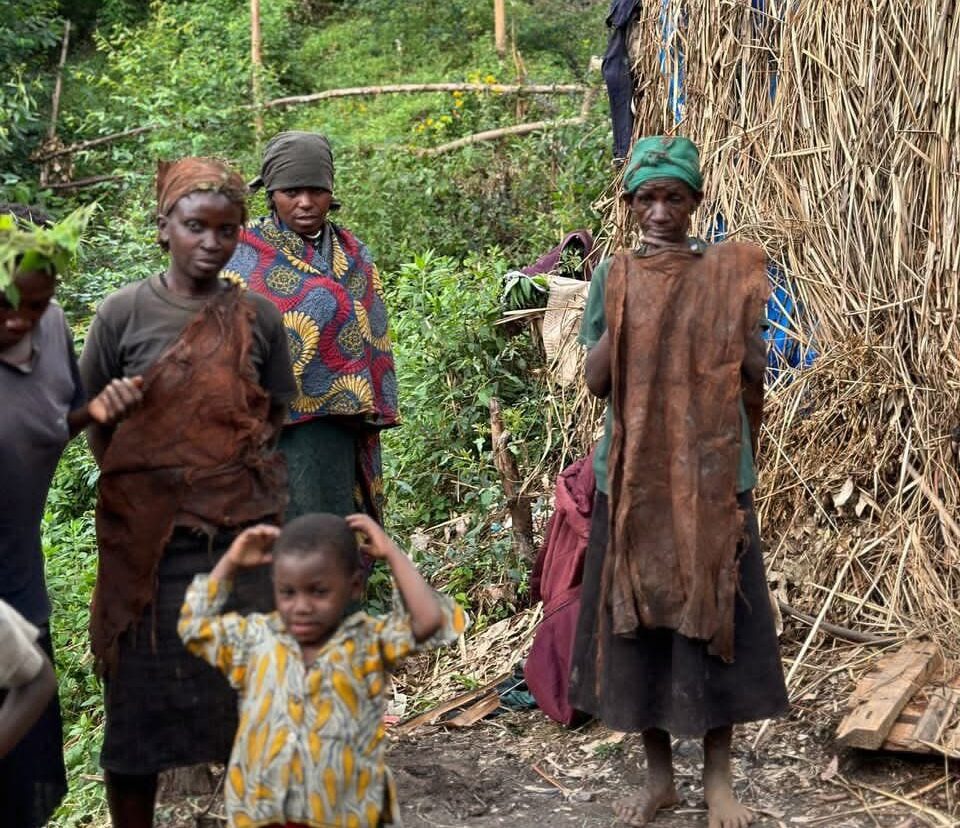
- Batwa Cultural Experience: The Batwa pygmies were the original inhabitants of Bwindi. Visiting a Batwa community lets you learn about their ancient hunter‑gatherer lifestyle, see traditional dances, and hear stories of living in harmony with the forest.
- Birdwatching: Bwindi is a birder’s paradise. A dedicated birding walk with a specialist guide can yield dozens of Albertine Rift endemics in a single morning. The Buhoma Waterfall Trail and Ruhija’s Mubwindi Swamp are hotspots.
- Community Walks & Craft Markets: Support local women’s groups and artisans by visiting craft shops, banana‑beer brewing demonstrations, and organic farms. It’s a wonderful way to give back and meet the warm Ugandan people.
- Gorilla Habituation Experience: Only available in Rushaga, this full‑day encounter (USD 1,800) lets you spend four hours with a gorilla family that is still being acclimatized to humans — a deeply immersive and rare opportunity.
Frequently Asked Questions
Is Bwindi safe for tourists?
How difficult is the gorilla trekking in Bwindi?
What is the minimum age for gorilla trekking?
How far in advance should I book my permit?
What should I pack for Bwindi?
Our Final Word Is Bwindi Impenetrable National Park Worth It?
After trekking for hours through the mud, pushing through ferns taller than a person, and finally standing silently in a small clearing as a silverback glances your way all doubts disappear. Bwindi is worth every step. It’s worth the cost, the planning, the sweat, and the anticipation. This ancient forest and the creatures that call it home offer a rare gift: a window into a wild world that most people only see in documentaries.
Whether you’re a seasoned safari‑goer, a nature lover, or someone simply looking for an adventure that will leave a lasting imprint on your soul, Bwindi delivers beyond expectation. It’s a destination that reshapes your perspective on conservation, humanity, and the delicate beauty of our planet.
So if you’ve been wondering “Is Bwindi Impenetrable National Park worth visiting?” — the answer is not just yes, but absolutely, without reservation. Start planning your journey today, and get ready for one of the greatest wildlife experiences the world has to offer.
Ready to Meet the Mountain Gorillas?
Let Tarec Gorilla Safaris create a tailor‑made Bwindi adventure from securing your permits to hand‑picking the perfect lodge. Your life‑changing gorilla experience is just a click away.