15 Things to Know Before Your First Gorilla Trek in Uganda & Rwanda
Meeting a family of endangered mountain gorillas in their natural habitat is one of Africa’s most unforgettable wildlife experiences. Whether you plan to visit Uganda’s Bwindi Impenetrable National Park, Mgahinga Gorilla National Park, or Rwanda’s Volcanoes National Park, proper preparation will make your adventure safer, more comfortable, and more rewarding.
This guide shares 15 things to know before your first gorilla trek so you can arrive fully prepared for this once-in-a-lifetime experience.
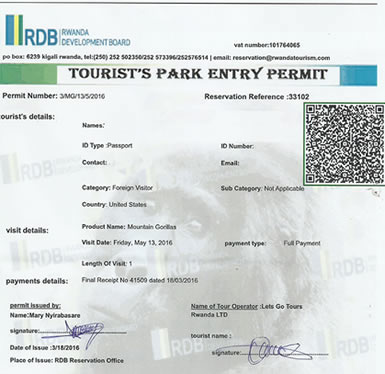
1. Gorilla Trekking Permits Must Be Booked Early
One of the first things to know before your first gorilla trek is that permits are limited. Only a small number of visitors are allowed to visit each gorilla family every day to protect these endangered animals.
During peak seasons, permits often sell out several months in advance.
Berengei Africa Safaris helps travelers secure permits before planning the rest of the safari.
2. Choose the Right Destination
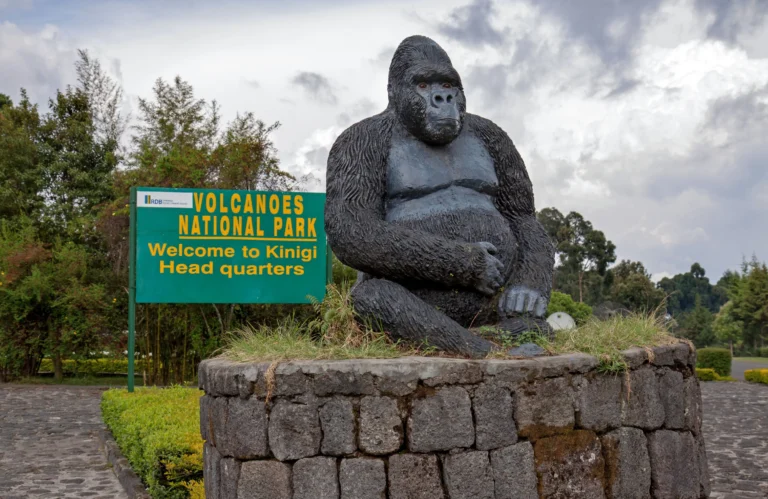
Mountain gorillas can only be trekked in three countries:
Most travelers choose Uganda because it offers more gorilla families and excellent value, while Rwanda provides shorter trekking distances for many visitors.
3. Your Fitness Matters
Although no technical climbing is required, gorilla trekking can be physically demanding.
Depending on where the gorillas are located, your trek may last:
- 1 hour
- 3 hours
- 6 hours
- Even 8 hours
The terrain includes:
- Steep hills
- Thick forest
- Muddy trails
- Dense vegetation
Walking regularly before your trip helps prepare your body.
4. Wear the Right Clothing
Many first-time visitors underestimate the forest conditions.
Wear:
- Long trousers
- Long-sleeved shirts
- Waterproof hiking boots
- Gaiters
- Gardening gloves
- Rain jacket
Neutral colors such as green, brown, and khaki blend well with the environment.
5. Pack Light but Smart
Your backpack should include:
- Drinking water
- Packed lunch
- Snacks
- Camera
- Extra batteries
- Insect repellent
- Sunscreen
- Waterproof cover
Hiring a porter makes carrying your backpack much easier.
6. Hiring a Porter Is Worth Every Dollar
Many visitors think porters are only for older travelers.
In reality, they:
- Carry your backpack
- Assist on steep slopes
- Help cross muddy sections
- Support local communities through employment
Most travelers say hiring a porter becomes one of the best decisions they make.
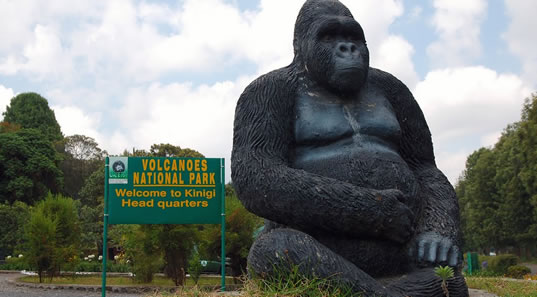
7. Listen Carefully During the Briefing
Every morning begins with a ranger briefing.
You’ll learn the following:
- Gorilla behavior
- Safety rules
- Photography guidelines
- Emergency procedures
- Trekking expectations
Following these instructions keeps both visitors and gorillas safe.
8. You Can Only Spend One Hour with the Gorillas
One of the most surprising things to know before your first gorilla trek is that the viewing time is limited.
Once you reach the gorilla family, you’ll spend approximately one unforgettable hour observing them.
This rule minimizes stress on the gorillas and reduces the risk of disease transmission.
9. Stay Calm Around the Gorillas
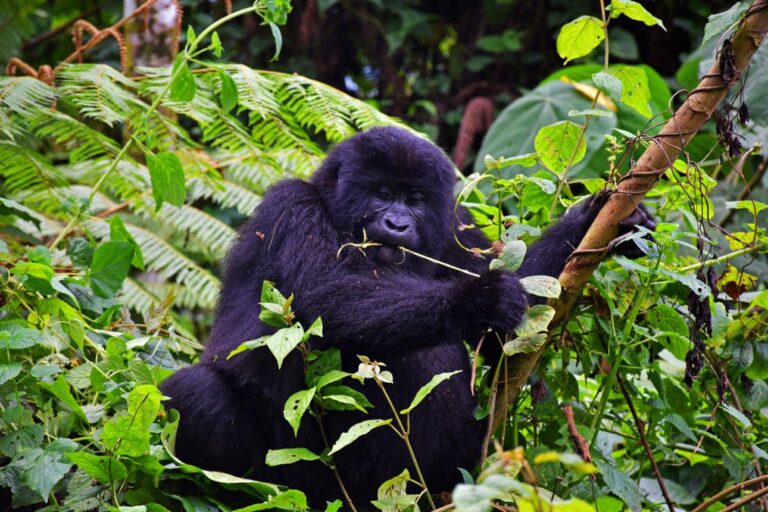
Mountain gorillas are gentle giants.
While they may walk close to visitors, avoid:
- Running
- Touching them
- Loud talking
- Flash photography
Your ranger will guide you throughout the encounter.
10. Photography Is Allowed
Bring a good camera with plenty of storage.
For the best photos:
- Turn off flash
- Increase ISO in dark forests
- Keep your camera ready
- Respect the minimum viewing distance
Many photographers capture incredible close-up images without disturbing the gorillas.
11. Weather Can Change Quickly
The rainforest has unpredictable weather.
Even during the dry season, rain showers can appear unexpectedly.
Always carry:
- Waterproof jacket
- Rain cover
- Waterproof backpack
Being prepared keeps the experience enjoyable.
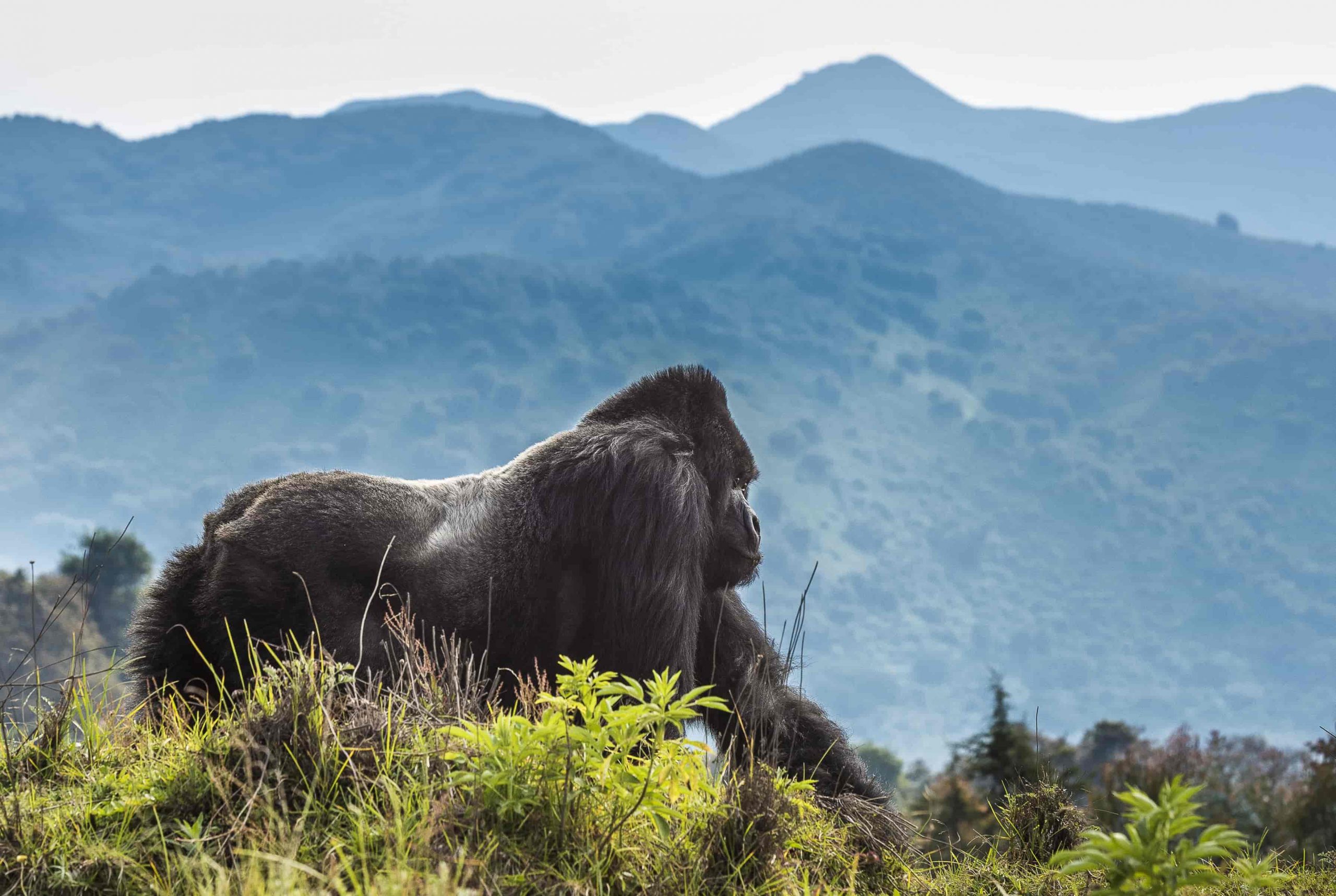
12. Gorilla Trekking Supports Conservation
Every permit purchased contributes directly to conservation.
The revenue helps:
- Protect gorilla habitats
- Pay ranger salaries
- Fund veterinary care
- Support nearby communities
- Reduce poaching
By trekking responsibly, visitors actively contribute to saving mountain gorillas.
13. Respect the 7-Meter Distance Rule
Visitors should remain at least seven meters away from gorillas whenever possible.
This protects the animals from human diseases.
If a curious gorilla approaches you, remain calm and allow your ranger to manage the situation.
14. Altitude Can Affect You
Most gorilla parks sit between 2,000 and 2,600 meters above sea level.
Some visitors notice:
- Mild shortness of breath
- Faster fatigue
- Slower walking pace
Take your time, drink plenty of water, and follow your guide’s pace.
15. The Experience Is Truly Life-Changing
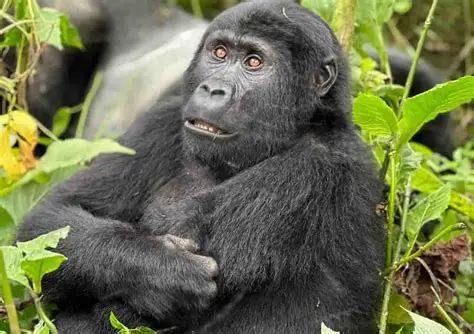
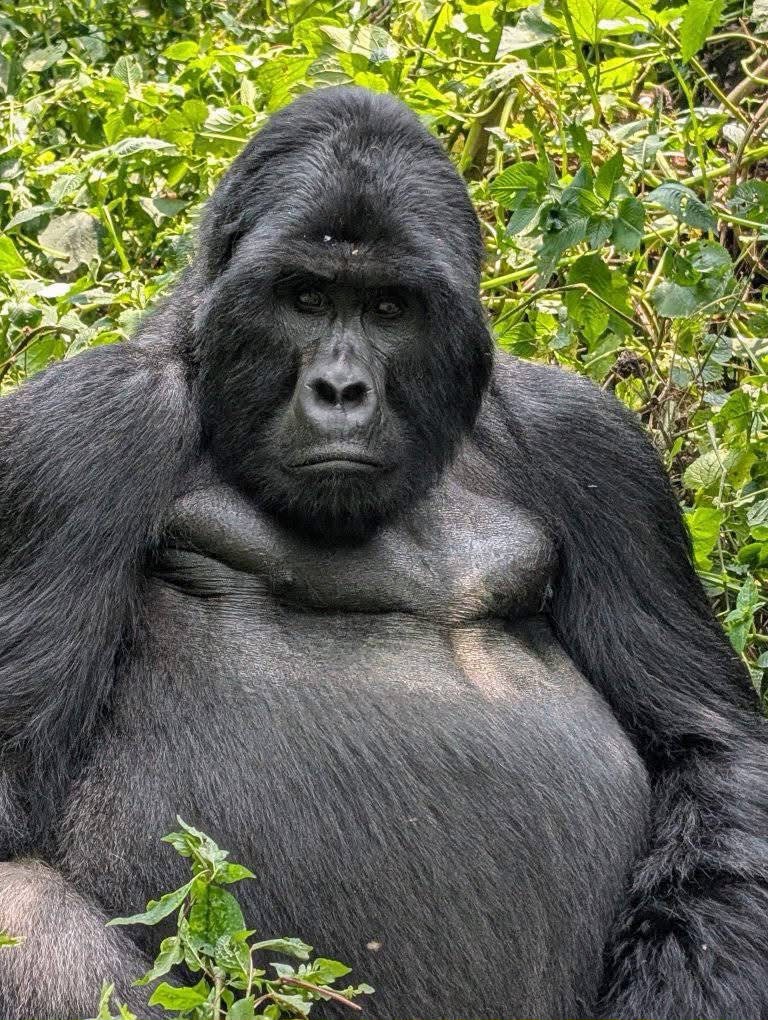
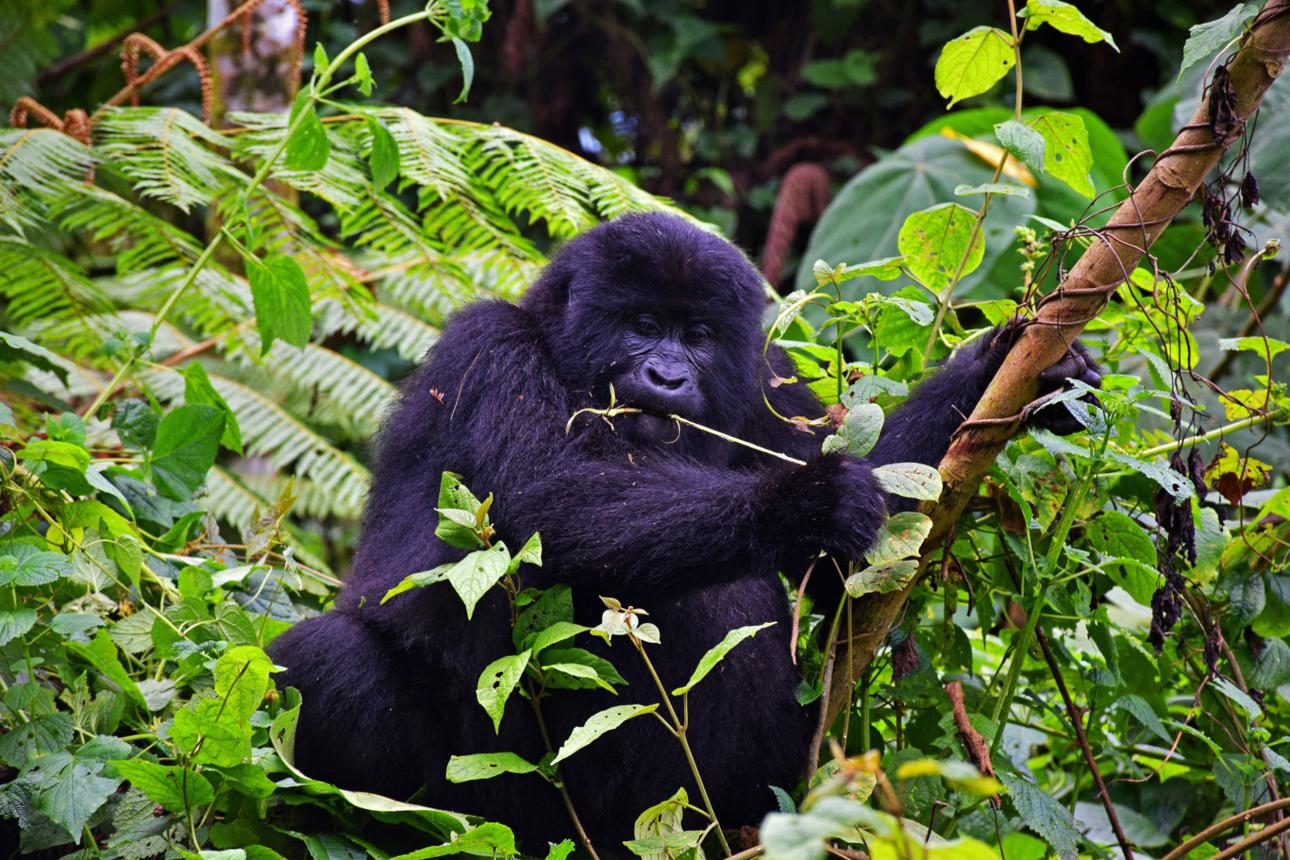
Nothing compares to locking eyes with a wild mountain gorilla.
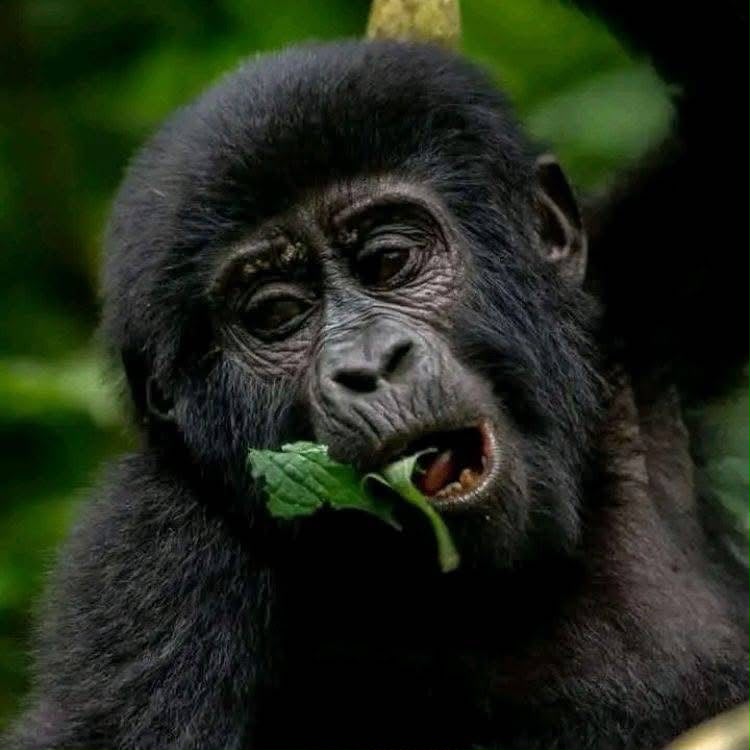
Watching a silverback protect his family, playful juveniles swinging through vines, or mothers caring for infants creates memories that stay with travelers forever.
Many guests describe gorilla trekking as the greatest wildlife experience of their lives.
Why Choose Berengei Africa Safaris?
At Berengei Africa Safaris, we specialize in unforgettable gorilla trekking adventures across Uganda and Rwanda.
Our services include:
- Gorilla permit booking
- Professional English-speaking guides
- Comfortable safari vehicles
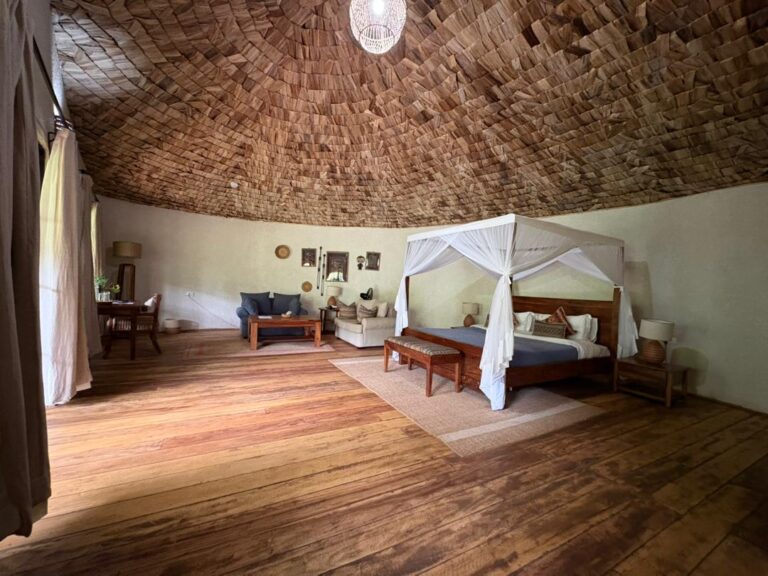
- Carefully selected accommodations
- Customized itineraries
- Airport transfers
- Wildlife and cultural safari extensions
Whether you’re planning your first African safari or returning for another adventure, our experienced team ensures every detail is handled professionally.
Frequently Asked Questions
Is gorilla trekking difficult?
It can range from easy to challenging depending on the location of the gorilla family. Rangers assign groups based on fitness where possible.
What is the minimum age for gorilla trekking?
Visitors must be at least 15 years old to participate.
Can I trek gorillas if I have a cold?
No. Visitors showing symptoms of infectious illnesses may not be allowed to trek because gorillas are highly susceptible to human diseases.
What is the best time for gorilla trekking?
Gorilla trekking is available year-round, but the dry seasons from June to September and December to February generally provide easier hiking conditions.
Should I hire a porter?
Yes. Hiring a porter makes the trek easier while supporting local livelihoods around the national parks.