What’s the Difference Between Gorilla Trekking and Gorilla Habituation?
For many travelers planning a Uganda safari, one common question arises: What’s the difference between gorilla trekking and gorilla habituation? Although both activities allow visitors to encounter endangered mountain gorillas in their natural habitat, the experiences are quite different.
Understanding these differences can help you choose the right adventure for your safari. While gorilla trekking offers a standard encounter with habituated gorilla families, gorilla habituation provides a longer and more immersive experience with gorillas that are still becoming accustomed to human presence.
At Berengei Africa Safaris, we organize both gorilla trekking and gorilla habituation experiences in Uganda, helping travelers create unforgettable wildlife adventures.
What Is Gorilla Trekking?
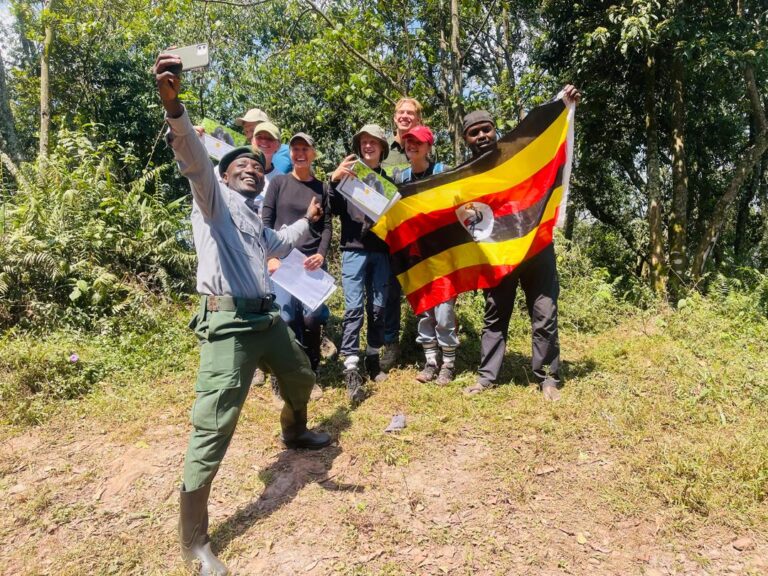
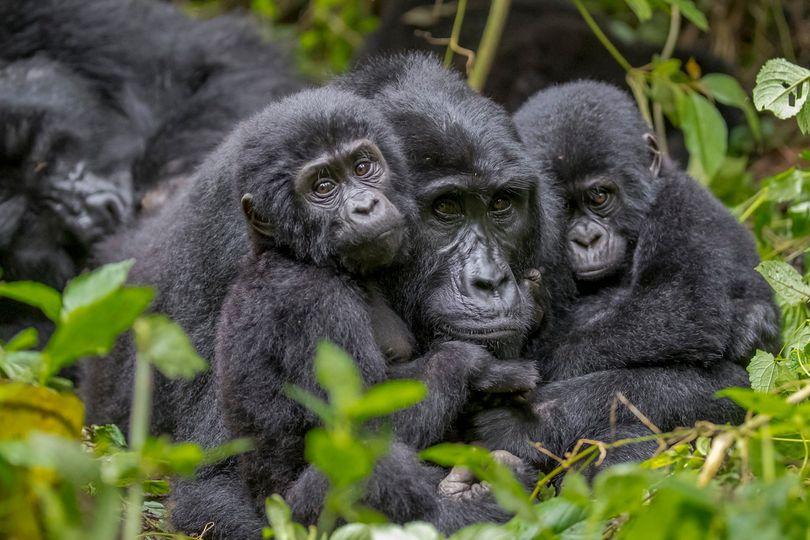
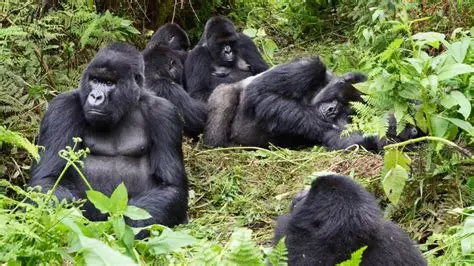
Gorilla trekking is the most popular gorilla experience in Uganda and Rwanda. During this activity, visitors hike through the forest in search of a fully habituated gorilla family.
A habituated gorilla family is one that has undergone years of gradual exposure to humans and is comfortable with the presence of researchers, guides, and tourists.
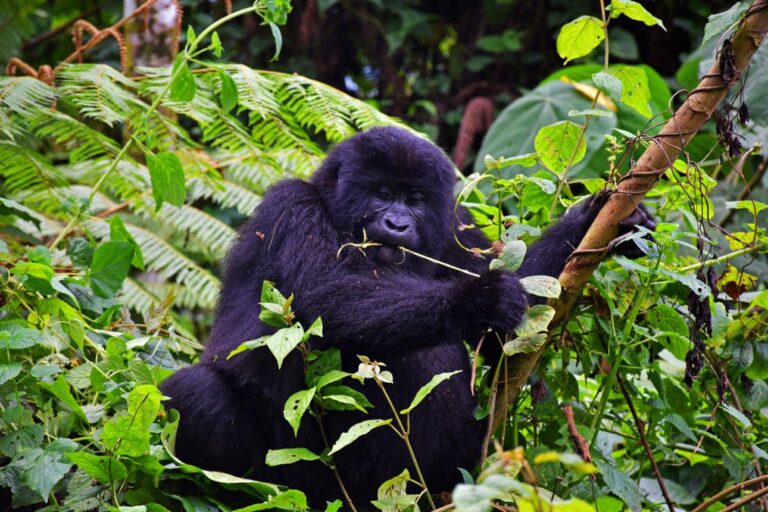
Once the gorillas are located, visitors are allowed to spend one hour observing them.
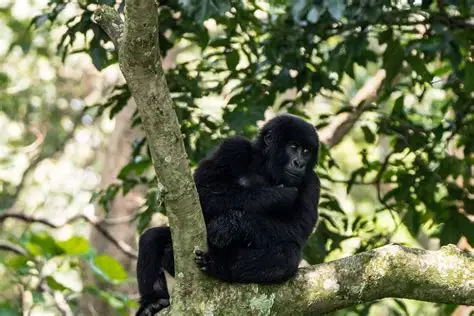
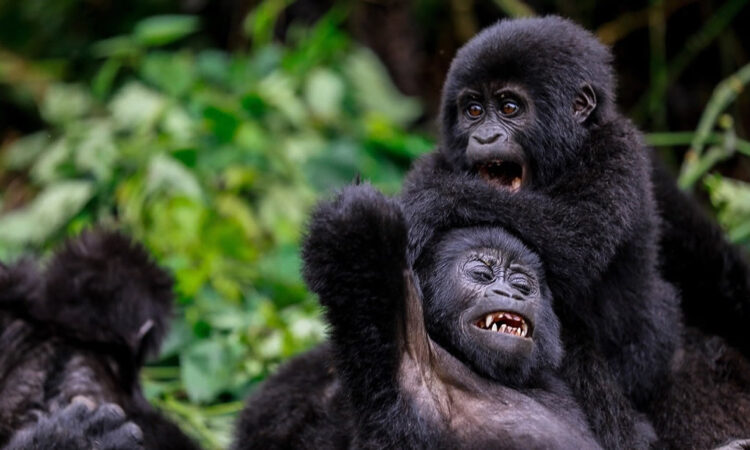
During this time, you can watch gorillas feeding, grooming one another, playing, resting, or moving through the forest.
Gorilla trekking is available in the following:
- Bwindi Impenetrable National Park, Uganda
- Mgahinga Gorilla National Park, Uganda
- Volcanoes National Park, Rwanda
- Virunga National Park, Democratic Republic of Congo
However, Uganda remains one of the most popular destinations because it offers both trekking and habituation experiences.
What Is Gorilla Habituation?
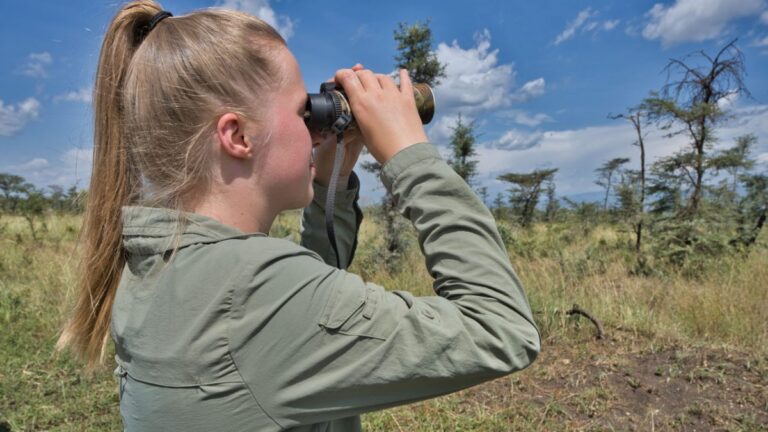
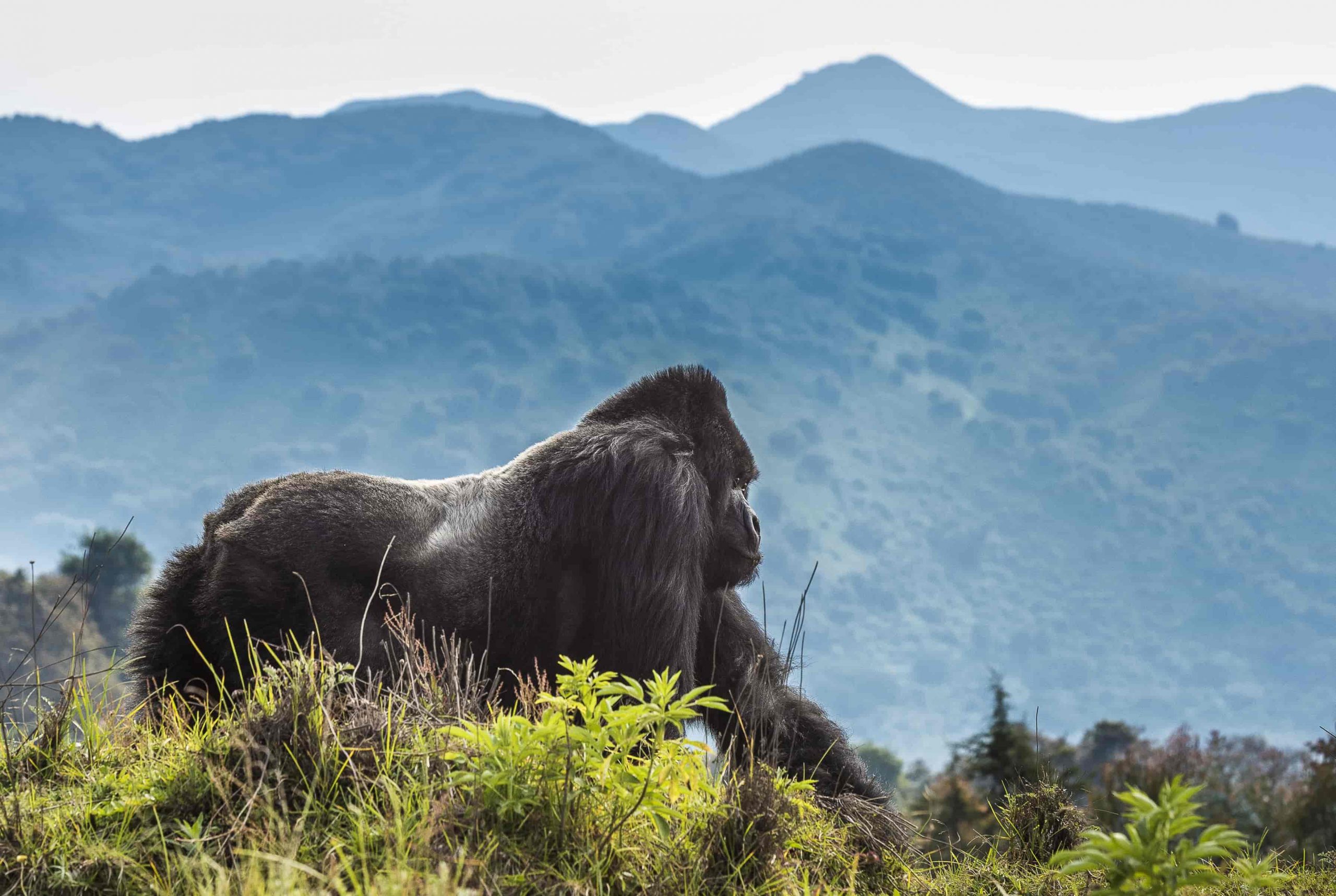
Gorilla habituation is a unique conservation experience where visitors join researchers, trackers, and rangers as they spend time with a gorilla family that is still undergoing habituation.
Habituation is the process through which wild gorillas gradually become familiar with human presence.
This process takes several years and involves daily monitoring by experts.
Unlike gorilla trekking, where visitors spend only one hour with gorillas, gorilla habituation allows visitors to spend up to four hours with the gorillas once they are found.
This extended period provides a deeper understanding of gorilla behavior and conservation work.
Currently, gorilla habituation is only available in the southern sectors of Bwindi Impenetrable National Park in Uganda.
Gorilla Trekking vs Gorilla Habituation: Main Differences
1. Time Spent with Gorillas
The biggest difference is the amount of time visitors spend with the gorillas.
- One hour with gorillas
- Up to four hours with gorillas
Travelers who want a longer wildlife experience often prefer habituation.
2. Type of Gorilla Family
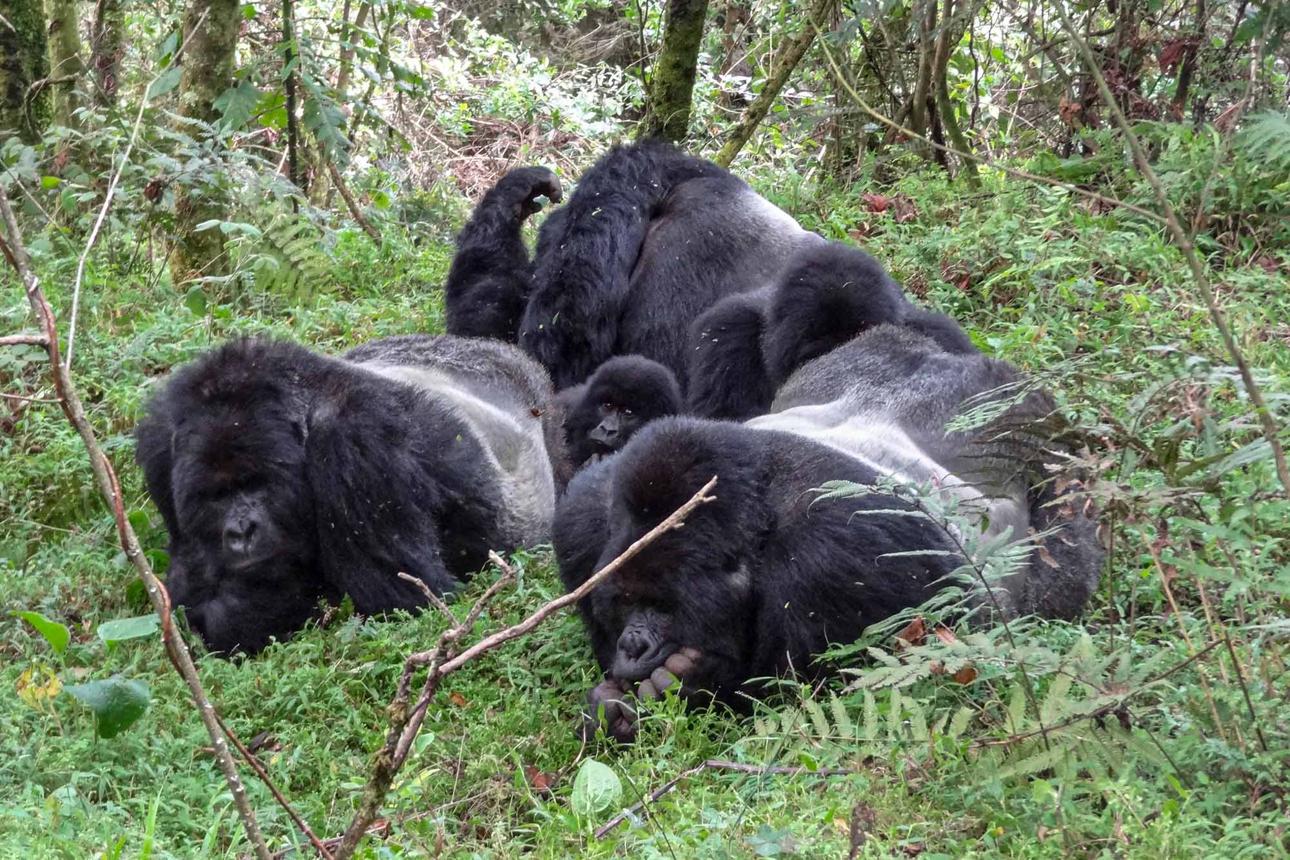
During gorilla trekking, visitors meet a fully habituated gorilla family.
During habituation, visitors encounter a gorilla family that is still adjusting to human presence.
This can create a more adventurous and less predictable experience.
3. Group Size
Group size differs significantly.
Gorilla Trekking:
- Maximum of 8 visitors per gorilla family
Gorilla Habituation:
- Maximum of 4 visitors
Smaller groups provide a more exclusive experience.
4. Experience Level
Gorilla trekking is suitable for most travelers.
Gorilla habituation is often preferred by:
- Wildlife enthusiasts
- Photographers
- Researchers
- Conservation supporters
- Travelers seeking a deeper experience
Because habituation involves more time in the forest, it may require greater physical fitness.
5. Cost Differences
Permit prices vary.
Gorilla habituation permits generally cost more because visitors spend longer with the gorillas and group sizes are smaller.
Permit prices can change over time, so travelers should always confirm current rates before booking.
Where Can You Do Gorilla Habituation?
Gorilla habituation is currently available only in Uganda.
The experience takes place in the southern sectors of Bwindi Impenetrable National Park, particularly in areas such as Rushaga.
This makes Uganda unique because it offers both standard gorilla trekking and habituation experiences.
Which Experience Is Better?
There is no single answer because the best choice depends on your travel preferences.
Choose gorilla trekking if you:
- Have limited time
- Want a more affordable option
- Prefer a shorter forest experience
- Are visiting Rwanda
Choose gorilla habituation if you:
- Want more time with gorillas
- Enjoy photography
- Love wildlife conservation
- Prefer smaller groups
- Want a more immersive experience
Some travelers even combine both experiences in one safari.
Is Gorilla Habituation Worth It?
For many wildlife enthusiasts, gorilla habituation is worth the additional time and cost.
Spending four hours with mountain gorillas allows visitors to observe more natural behaviors and gain deeper insight into their social structure.
Photographers also appreciate the extra time because lighting conditions and animal movements can change quickly in the forest.
However, travelers with limited time may find that standard gorilla trekking still provides an unforgettable encounter.
Conservation Benefits
Both gorilla trekking and gorilla habituation contribute directly to conservation.
Permit fees help fund:
- Gorilla protection
- Ranger patrols
- Veterinary care
- Community projects
- Habitat conservation
Responsible tourism has played an important role in the recovery of mountain gorilla populations in Uganda, Rwanda, and the Democratic Republic of Congo.
What Should You Pack?
Whether you choose trekking or habituation, packing properly is important.
Bring:
- Hiking boots
- Long trousers
- Waterproof jacket
- Gardening gloves
- Drinking water
- Insect repellent
- Camera
- Small backpack
Because conditions in Bwindi can be wet and muddy, waterproof gear is highly recommended.
Why Book With Berengei Africa Safaris?
At Berengei Africa Safaris, we organize unforgettable gorilla experiences in Uganda and Rwanda.
Our safari packages include:
- Gorilla permits
- Comfortable accommodation
- Professional guides
- Private transportation
- Customized itineraries
Whether you choose gorilla trekking or gorilla habituation, we help ensure that your safari is well planned from start to finish.
Frequently Asked Questions
Is gorilla habituation available in Rwanda?
No. Gorilla habituation is currently only available in Uganda.
How long do you spend with gorillas during habituation?
Visitors can spend up to four hours with the gorillas.
Is gorilla habituation harder than trekking?
It can be more demanding because visitors spend longer in the forest.
Can I do both activities?
Yes. Some travelers combine gorilla trekking and gorilla habituation during one Uganda safari.
Which is better for photographers?
Gorilla habituation is often preferred because visitors have more time for photography.
Inconclusion therefore we say
Understanding the difference between gorilla trekking and gorilla habituation can help you choose the best gorilla experience for your safari.
If you prefer a classic gorilla encounter, trekking is an excellent choice. If you want more time with gorillas and a deeper conservation experience, habituation may be the perfect option.
Contact Berengei Africa Safaris today and let us help you plan an unforgettable gorilla safari in Uganda or Rwanda.