Where Does the Nile River Start?
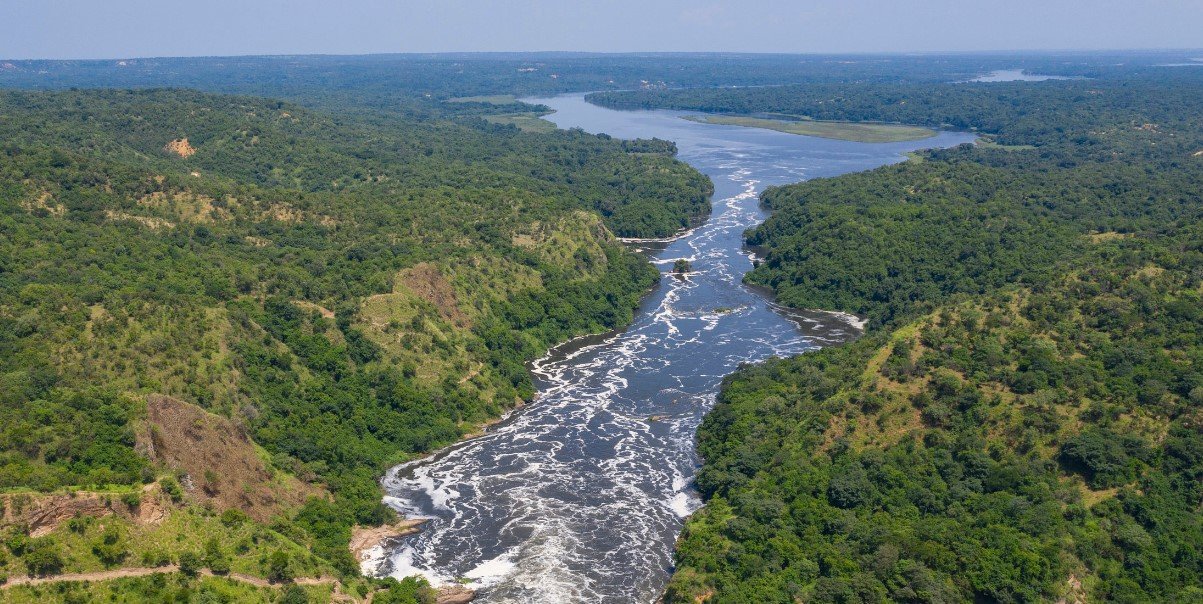
Where does the Nile River start? This is one of the most fascinating geographical questions in Africa. The Nile River, famous for its incredible length, historical importance, and contribution to ancient civilizations, begins its remarkable journey in East Africa. Its commonly recognized source is found at Lake Victoria in Jinja, eastern Uganda, where water flows out of the lake and begins travelling northwards towards the Mediterranean Sea.
However, the complete story of the Nile River’s origin is more fascinating than many people imagine. Its waters come from an extensive network of rivers, streams, lakes, and highland catchments spread across several East African countries. The Kagera River system, which receives water from Rwanda and Burundi, contains some of the Nile’s most distant headwaters.
For travelers visiting Uganda, the Source of the Nile in Jinja offers an opportunity to stand at one of the world’s most famous geographical landmarks. Besides its historical significance, the area provides opportunities for boat cruises, sightseeing, kayaking, and white-water rafting.
Where Does the Nile River Start in Africa?
The Nile River begins its journey from the Lake Victoria region of East Africa. At Jinja, Uganda, water leaves Lake Victoria and flows northwards as the Victoria Nile. This location is widely recognized as the geographical source of the Nile and is one of Uganda’s most celebrated natural attractions.
Lake Victoria is shared by Uganda, Kenya, and Tanzania. It receives water from numerous rivers, including the Kagera River, which drains parts of Burundi, Rwanda, Tanzania, and Uganda.
Therefore, when answering where the Nile River starts, it is important to understand two geographical explanations.
The first is the commonly recognized source at Lake Victoria in Jinja, Uganda. The second is the more distant headwater system, which can be traced through the Kagera River and its tributaries to the highlands of Burundi and Rwanda.
Both explanations help explain the complex origin of one of the world’s most important rivers.

Where Is the Source of the Nile Located in Uganda?
The famous Source of the Nile is located in Jinja, in eastern Uganda, where the Nile flows out of Lake Victoria. Jinja is approximately 80 kilometers east of Kampala by road, although actual journey time depends on traffic and road conditions.
The area is historically associated with British explorer John Hanning Speke, who identified Lake Victoria as the source of the Nile during his 1862 expedition.
Today, visitors can explore the Source of the Nile monument, enjoy scenic views of the river, and take boat excursions towards the point where the water begins its journey northwards.
The location is also an important cultural and tourism landmark. It represents Uganda’s connection to the Nile Basin and the many communities that have depended on its waters for generations.
Does the Nile River start in Lake Victoria?
Yes. Lake Victoria is the recognized source of the White Nile’s main outlet at Jinja, Uganda. The river begins flowing northwards from the lake and is initially known as the Victoria Nile.
Lake Victoria is Africa’s largest lake by surface area and is shared by three countries: Uganda, Kenya, and Tanzania.
The lake receives water from rainfall and streams and rivers flowing from surrounding highlands. One of its major tributaries is the Kagera River, which carries water from the wider Great Lakes region.
When the water leaves Lake Victoria at Jinja, it enters the Victoria Nile and continues through Uganda’s remarkable landscapes.
This connection makes Lake Victoria particularly important when discussing where the Nile River starts and why Uganda plays such a significant role in the river’s geographical history.

Does the Nile River Also Start in Burundi?
There is another fascinating side to the Nile’s origin. Some of the most distant headwaters of the Nile are traced to Burundi, particularly the Ruvyironza River, which forms part of the Ruvubu-Kagera river system.
The Ruvyironza flows into the Ruvubu River, which contributes to the Kagera River system. The Kagera eventually flows into Lake Victoria.
This means that water originating in the highlands of Burundi can travel through several rivers before reaching Lake Victoria and eventually becoming part of the Nile.
Rwanda also contributes to the Nile’s headwaters through rivers feeding the Kagera system.
Consequently, although Jinja is the famous and commonly recognized source of the Nile, the river’s most distant tributaries extend much farther south into the East African highlands.
This geographical connection makes the Nile a shared natural resource with an enormous catchment area.
What Is the Difference Between the White Nile and the Blue Nile?
The Nile River has two major tributary systems: the White Nile and the Blue Nile. These two rivers meet in Khartoum, the capital of Sudan, where they combine to form the main Nile River.
The White Nile
The White Nile is associated with the Great Lakes region of East Africa. Its waters are connected to Lake Victoria and the river systems flowing through Uganda and South Sudan.
The Victoria Nile flows from Lake Victoria through Uganda, including the spectacular Murchison Falls region, before reaching Lake Albert. From there, the river continues northwards as part of the White Nile system.
The Blue Nile
The Blue Nile originates from Lake Tana in the Ethiopian Highlands. It flows through Ethiopia and Sudan before meeting the White Nile at Khartoum.
The Blue Nile contributes a significant amount of the Nile’s seasonal water flow and sediment, particularly during Ethiopia’s rainy season.
Where do the two rivers meet?
The White Nile and Blue Nile meet at Khartoum in Sudan. From there, the combined river continues northwards through Sudan and Egypt before emptying into the Mediterranean Sea.

Where Does the Nile River Flow After Leaving Uganda?
After leaving Lake Victoria at Jinja, the Victoria Nile travels northwards through Uganda. Along the way, it passes through several important geographical features and natural attractions.
The river flows through Lake Kyoga before continuing towards Murchison Falls, one of Uganda’s most spectacular natural landmarks.
At Murchison Falls, enormous volumes of water are forced through a narrow gorge in the rocks before plunging into the river below. This creates one of the most dramatic waterfalls in East Africa.
The river then continues towards Lake Albert, where the Victoria Nile enters the lake. Water flows out of Lake Albert through the Albert Nile, continuing northwards into South Sudan.
The river system eventually contributes to the White Nile, which meets the Blue Nile in Khartoum, Sudan.
From there, the main Nile continues through Sudan and Egypt before reaching the Mediterranean Sea.
Which Countries Does the Nile River Pass Through?
The Nile Basin extends across 11 countries in northeastern and eastern Africa. These countries are Burundi, the Democratic Republic of the Congo, Egypt, Eritrea, Ethiopia, Kenya, Rwanda, South Sudan, Sudan, Tanzania, and Uganda.
However, it is important to distinguish between countries within the Nile Basin and countries through which the main river channel actually flows.
The main Nile system travels through or along parts of Uganda, South Sudan, Sudan, and Egypt. Its tributaries and wider drainage basin extend into the other Nile Basin countries.
This makes the Nile one of Africa’s most important shared water systems, supporting agriculture, fishing, transportation, electricity generation, wildlife, and millions of people.
How Long Is the Nile River?
The Nile River is approximately 6,650 to 6,700 kilometers long, depending on the measurement method and which headwater is considered its source.
It is traditionally recognized as the longest river in Africa and is often described as the longest river in the world, although its ranking relative to the Amazon is debated because of different measurement methods.
The river travels from the East African Great Lakes region towards the Mediterranean Sea, passing through tropical landscapes, wetlands, savannahs, and desert environments.
Its remarkable length and geographical reach have made it one of the most studied and historically significant rivers on Earth.

Why Is the Source of the Nile Important to Uganda?
The Source of the Nile is one of Uganda’s most important geographical and tourism attractions. It connects the country to a river that has influenced the history, development, and livelihoods of communities across northeastern Africa.
For Uganda, the Nile provides opportunities for hydroelectric power generation, fishing, agriculture, transportation, and tourism.
Jinja, in particular, has developed into an important adventure tourism destination because of its location along the river.
Visitors can enjoy the beautiful scenery, discover local culture, and participate in several activities along the Nile.
The Source of the Nile is also a nationally recognized cultural and natural heritage landmark, making it an important destination for educational visits and international tourism.
Things to Do at the Source of the Nile in Jinja, Uganda
Visiting the Source of the Nile is more than simply looking at where a famous river begins. Jinja offers a variety of experiences for adventure seekers, nature lovers, and travelers exploring Uganda.
1. Take a Boat Cruise on the Nile
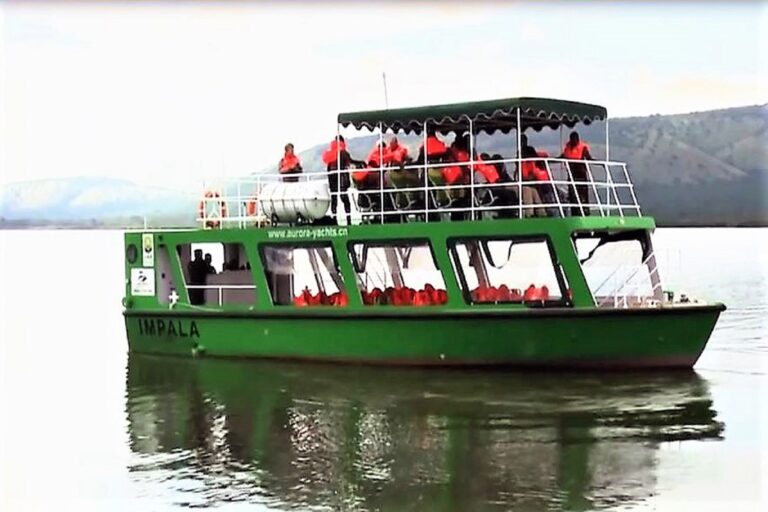
A boat cruise is one of the best ways to explore the Source of the Nile. Visitors can enjoy beautiful views of Lake Victoria, surrounding islands, and the river’s landscape while learning about the area’s geographical and historical importance.
2. Experience White-Water Rafting
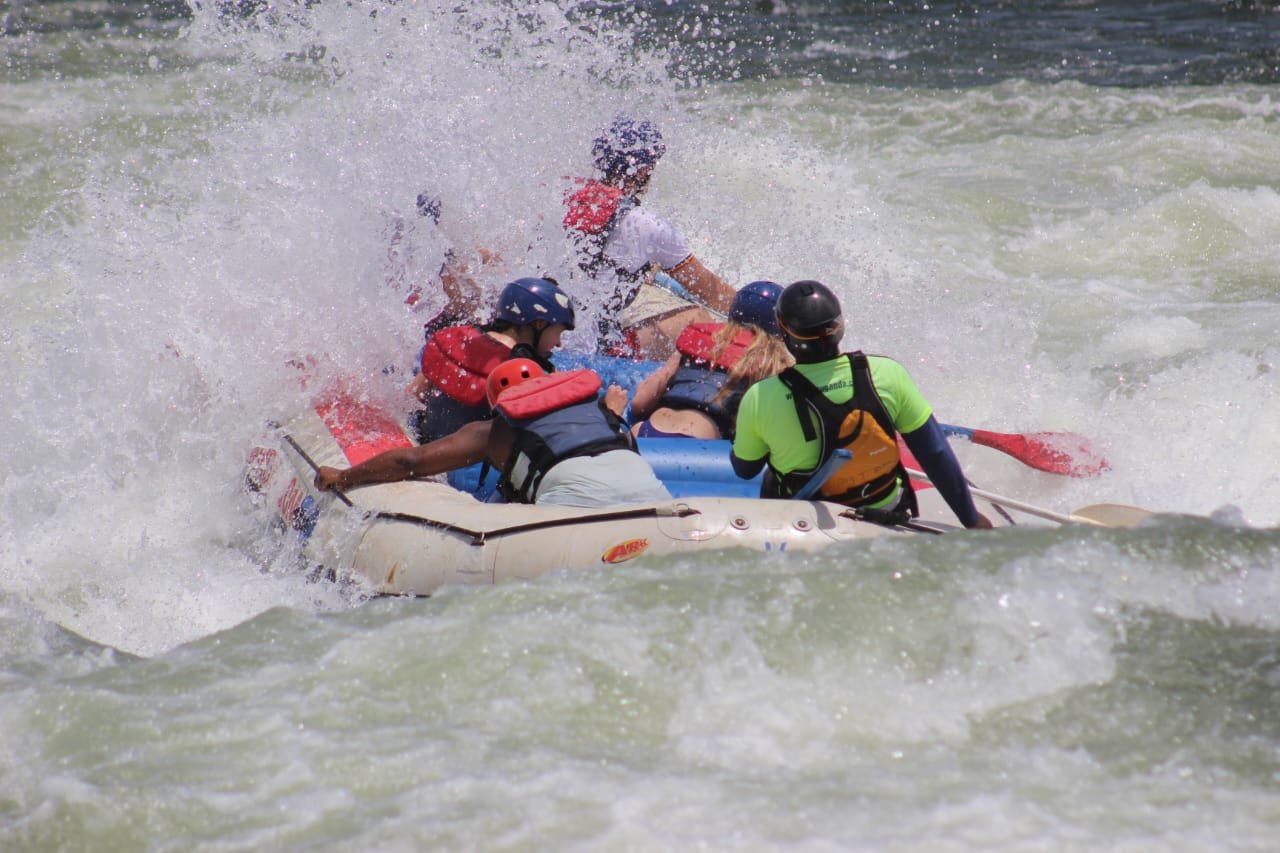
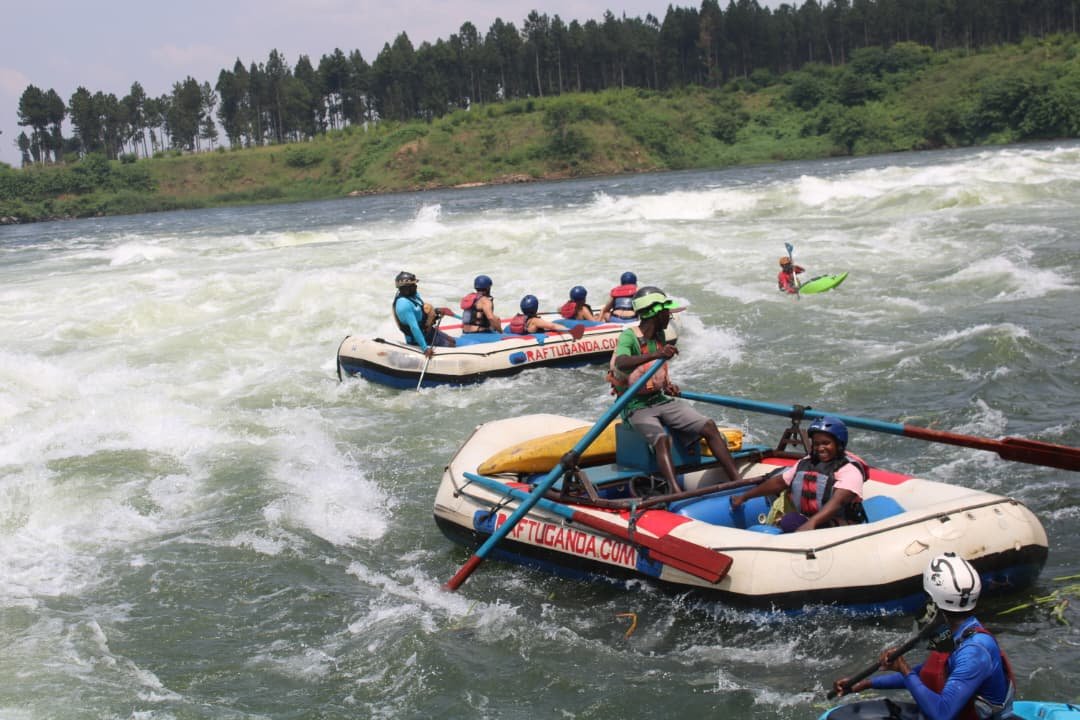
Jinja is internationally recognized for its white-water rafting experiences. The Nile offers exciting rapids for adventure enthusiasts, with professional operators providing guided rafting experiences.
3. Try Kayaking on the Nile
Kayaking provides another exciting way to explore the river. Visitors can experience the water at a closer level while enjoying the surrounding natural scenery.
4. Enjoy Bungee Jumping
For visitors seeking an adrenaline-filled experience, Jinja offers bungee jumping opportunities overlooking the Nile. It is an unforgettable activity for adventure lovers.
5. Explore the Local Culture
A visit to Jinja also provides opportunities to interact with local communities, discover traditional food and learn about the history and culture of the Busoga region.
6. Visit Itanda Falls
Itanda Falls is another beautiful attraction along the Nile near Jinja. The area is known for its powerful rapids, scenic landscapes, birdlife and opportunities for sightseeing.
When Is the Best Time to Visit the Source of the Nile?
The Source of the Nile in Jinja can be visited throughout the year. Uganda’s tropical climate makes it possible to enjoy sightseeing and several outdoor activities in different seasons.
The drier periods, generally from June to August and December to February, are popular for outdoor adventures and road travel.
The wetter periods can also offer beautiful green landscapes and excellent photography opportunities. However, rainfall and river conditions may affect particular adventure activities.
Visitors planning white-water rafting, kayaking or other water-based experiences should always check conditions with their chosen activity operator before travelling.
Frequently Asked Questions About Where the Nile River Starts
1. Where does the Nile River start?
The commonly recognized source of the Nile is at Lake Victoria in Jinja, Uganda. Water flows out of the lake and becomes the Victoria Nile, travelling northwards through Uganda.
2. Is the Nile River in Uganda?
Yes. The Nile flows through Uganda, beginning its journey from Lake Victoria at Jinja. It continues through Lake Kyoga, Murchison Falls and Lake Albert before flowing towards South Sudan.
3. Does the Nile River start in Lake Victoria?
Yes. Lake Victoria is the recognized source of the White Nile’s main outlet at Jinja. However, some of its most distant headwaters originate in tributaries in Burundi and Rwanda.
4. Which country has the original source of the Nile?
Uganda hosts the famous Source of the Nile at Jinja. Burundi contains some of the most distant headwaters, particularly the Ruvyironza-Ruvubu-Kagera river system.
5. Where does the White Nile meet the Blue Nile?
The White Nile and Blue Nile meet in Khartoum, Sudan, where they combine to form the main Nile River.
6. Does the Nile River flow into the Mediterranean Sea?
Yes. After travelling through Sudan and Egypt, the Nile empties into the Mediterranean Sea through its delta in northern Egypt.
7. Who discovered the source of the Nile?
John Hanning Speke identified Lake Victoria as the source of the Nile in 1862 during his expedition in East Africa. However, the geographical exploration of the Nile’s distant headwaters continued long afterwards.
8. Can tourists visit the Source of the Nile?
Yes. Visitors can travel to Jinja in eastern Uganda to explore the Source of the Nile, take boat cruises, enjoy sightseeing and experience several adventure activities.
Inconclusion therefre : Discover Where the Nile River Begins
So, where does the Nile River start? Its famous geographical source is at Lake Victoria in Jinja, Uganda, where the Victoria Nile begins its journey northwards. However, the river’s most distant headwaters extend through the Kagera River system into the highlands of Burundi and Rwanda.
From the beautiful shores of Lake Victoria to the dramatic Murchison Falls, the Nile showcases some of Uganda’s most remarkable natural landscapes.
For travellers exploring East Africa, visiting the Source of the Nile in Jinja is an opportunity to experience a remarkable geographical landmark and discover the natural beauty of Uganda.
Come and discover the Source of the Nile in Uganda, where one of the world’s greatest rivers begins its incredible journey across Africa.