Rwanda Gorilla Permit – Gorilla Trekking in Rwanda
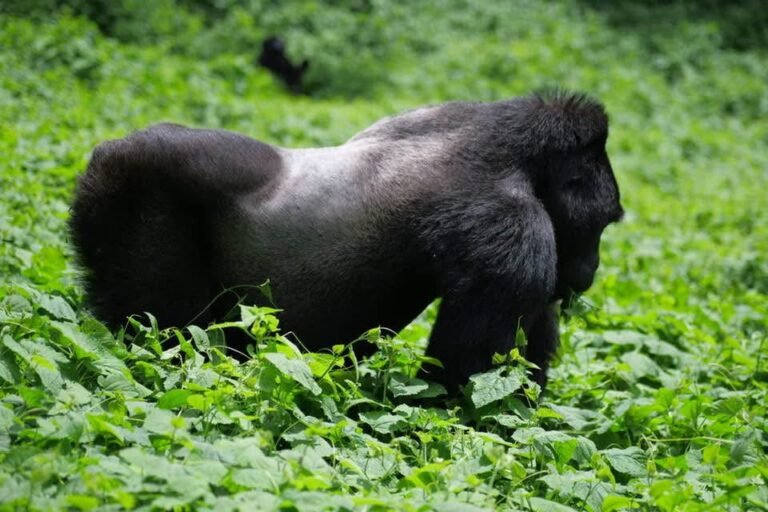
Rwanda gorilla permit is required for anyone planning to experience gorilla trekking in Rwanda. When travelers book a Rwanda gorilla permit, they are granted access to observe mountain gorillas in their natural habitat.
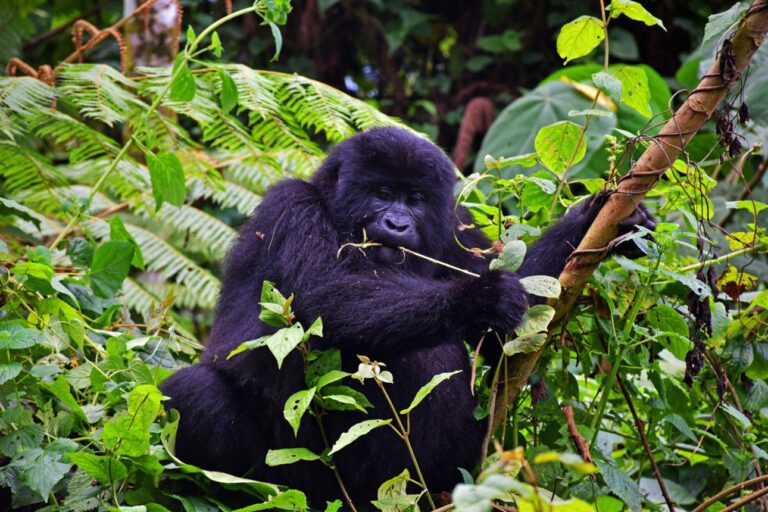
It should be noted that gorilla trekking is conducted in Volcanoes National Park, which is home to several habituated gorilla families. Because these gorillas are endangered, strict regulations are followed to ensure their protection.
As a result, the Rwanda gorilla permit is not only an entry ticket but also a contribution to conservation and community development.
What Is a Rwandan Gorilla Permit
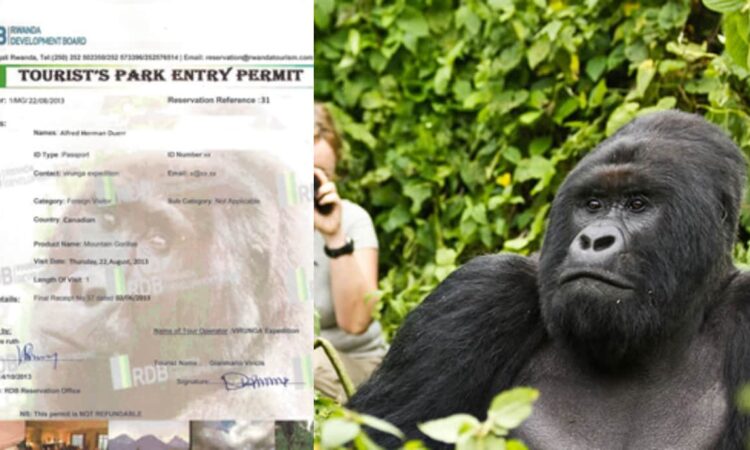
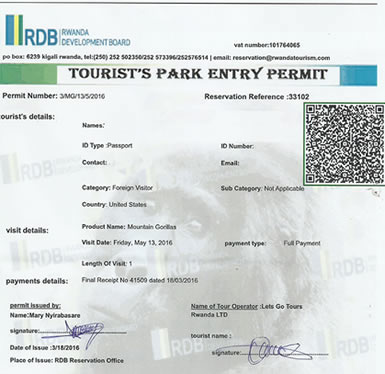
A Rwanda gorilla permit is an official authorization issued by the Rwanda Development Board. It allows visitors to participate in a guided gorilla trekking experience.
The permit includes park entry fees, ranger guidance, and one hour with a gorilla family.
Because access to gorillas is limited, only a small number of permits are issued each day. Therefore, early booking is essential for anyone planning a Rwanda safari.
Cost of a Rwanda Gorilla Permit
The cost of a Rwanda gorilla permit is currently set at $1,500 per person.
It should be understood that this cost reflects the premium conservation experience offered in Rwanda. The price includes professional guides, security, and conservation support.
A portion of the revenue is used to protect mountain gorillas and support local communities around Volcanoes National Park.
Because of these benefits, the Rwanda gorilla permit is considered an investment in sustainable tourism.
How to Book a Rwanda Gorilla Permit
Booking a Rwanda gorilla permit can be done through licensed tour operators or directly with the Rwanda Development Board.
Travelers are required to provide passport details and preferred trekking dates. Once payment is made, the permit is secured.
Because permits are limited and demand is high, it is strongly advised that bookings are made several months in advance.
Tour operators often include permits in safari packages. Therefore, booking through a professional company simplifies the process.
What Happens During Gorilla Trekking
On the day of trekking, visitors report to the park headquarters in Volcanoes National Park early in the morning.
A briefing is conducted by park rangers, where rules and guidelines are explained.
Groups are then assigned to specific gorilla families. The trek begins through forests, bamboo zones, and volcanic terrain.
Trekking duration varies depending on the location of the gorillas. In some cases, they are found within a few hours.
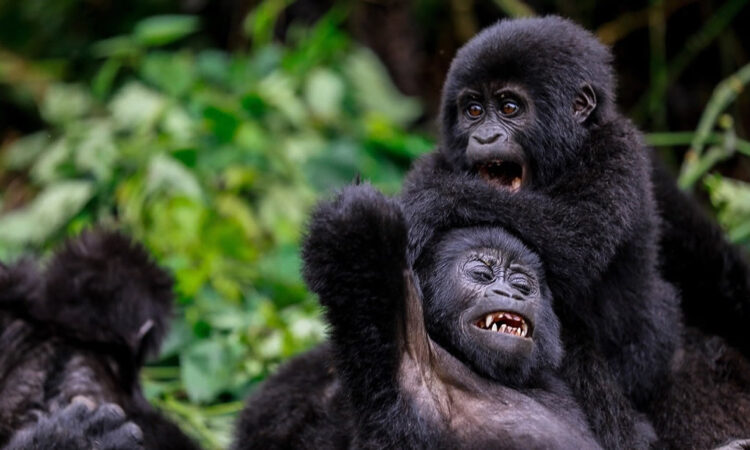
Once located, visitors spend one hour observing the gorillas. Behaviors such as feeding, playing, and social interaction are witnessed closely.
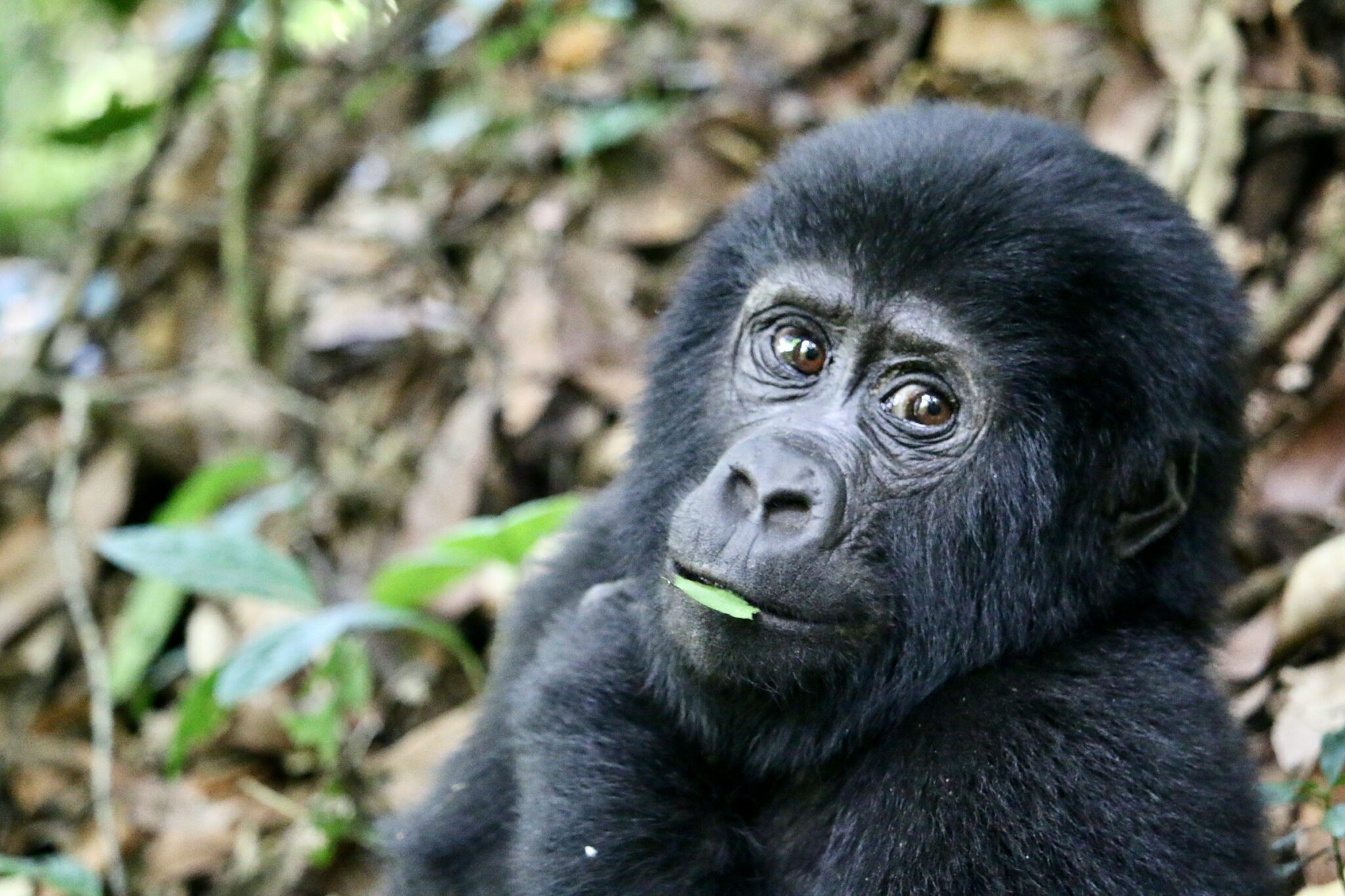
As a result, the experience becomes both emotional and unforgettable.
Rules and Regulations for Rwanda Gorilla Permit
Strict rules are followed during gorilla trekking to ensure safety and conservation.
Visitors must maintain a distance of at least seven meters from the gorillas. Flash photography is not allowed.
Eating, drinking, or smoking near the gorillas is prohibited. Additionally, visitors who are sick are not allowed to trek.
It should be noted that only individuals aged 15 and above are permitted to participate.
Because these rules are enforced, the Rwanda gorilla permit ensures a safe and responsible experience.
Best Time to Use a Rwanda Gorilla Permit
The best time to use a Rwanda gorilla permit is during the dry seasons. These occur from June to September and December to February.
During this period, trekking trails are less slippery, and visibility is improved.
However, gorilla trekking is conducted all year round. During the rainy season, forests become greener and more scenic.
Because gorillas live in dense forests, they can be tracked in any season.
Therefore, a Rwanda gorilla permit can be used at any time depending on traveler preference.
Why Rwanda Gorilla Permits Are Expensive
The Rwanda gorilla permit is often considered expensive compared to other destinations. However, this pricing supports conservation and premium tourism.
Rwanda focuses on low-volume, high-value tourism. This reduces environmental impact while maintaining high-quality experiences.
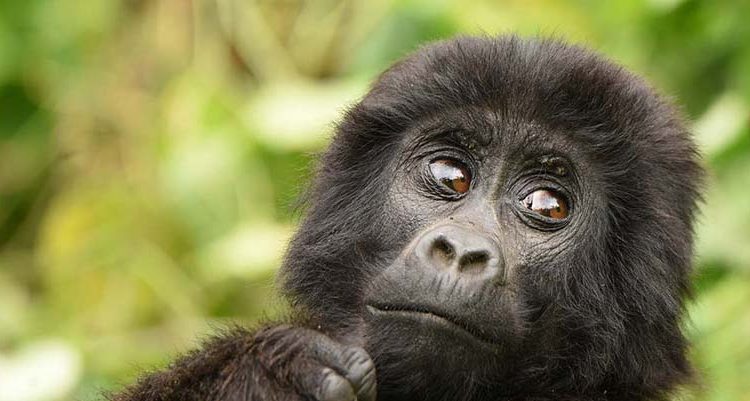
Funds generated from permits are used for wildlife protection, park management, and community development.
As a result, the Rwanda gorilla permit contributes directly to the survival of mountain gorillas.
Gorilla Habituation and Conservation Impact
Gorilla families in Volcanoes National Park undergo a process called habituation. This allows them to become comfortable with human presence.
The Rwanda gorilla permit supports this process by funding research and conservation programs.
Additionally, local communities benefit from tourism revenue. This reduces human-wildlife conflict and promotes conservation awareness.
Therefore, every permit purchased plays a role in protecting endangered species.
Tips for Using Your Rwanda Gorilla Permit
Travelers are advised to prepare properly before their trekking day. Comfortable hiking boots and long-sleeved clothing are recommended.
It should also be noted that hiring a porter is beneficial. Porters assist with carrying bags and provide support during the trek.
Because trekking conditions can be challenging, physical preparation is encouraged.
Therefore, proper planning ensures a smooth and enjoyable experience when using a Rwanda gorilla permit.
Why Choose Rwanda for Gorilla Trekking
Rwanda is one of the best destinations for gorilla trekking in Africa. The proximity of Volcanoes National Park to Kigali makes travel convenient.
Additionally, Rwanda offers high-end lodges and well-organized tourism services.
Because of their focus on conservation and quality experiences, Rwanda gorilla permits are highly valued.
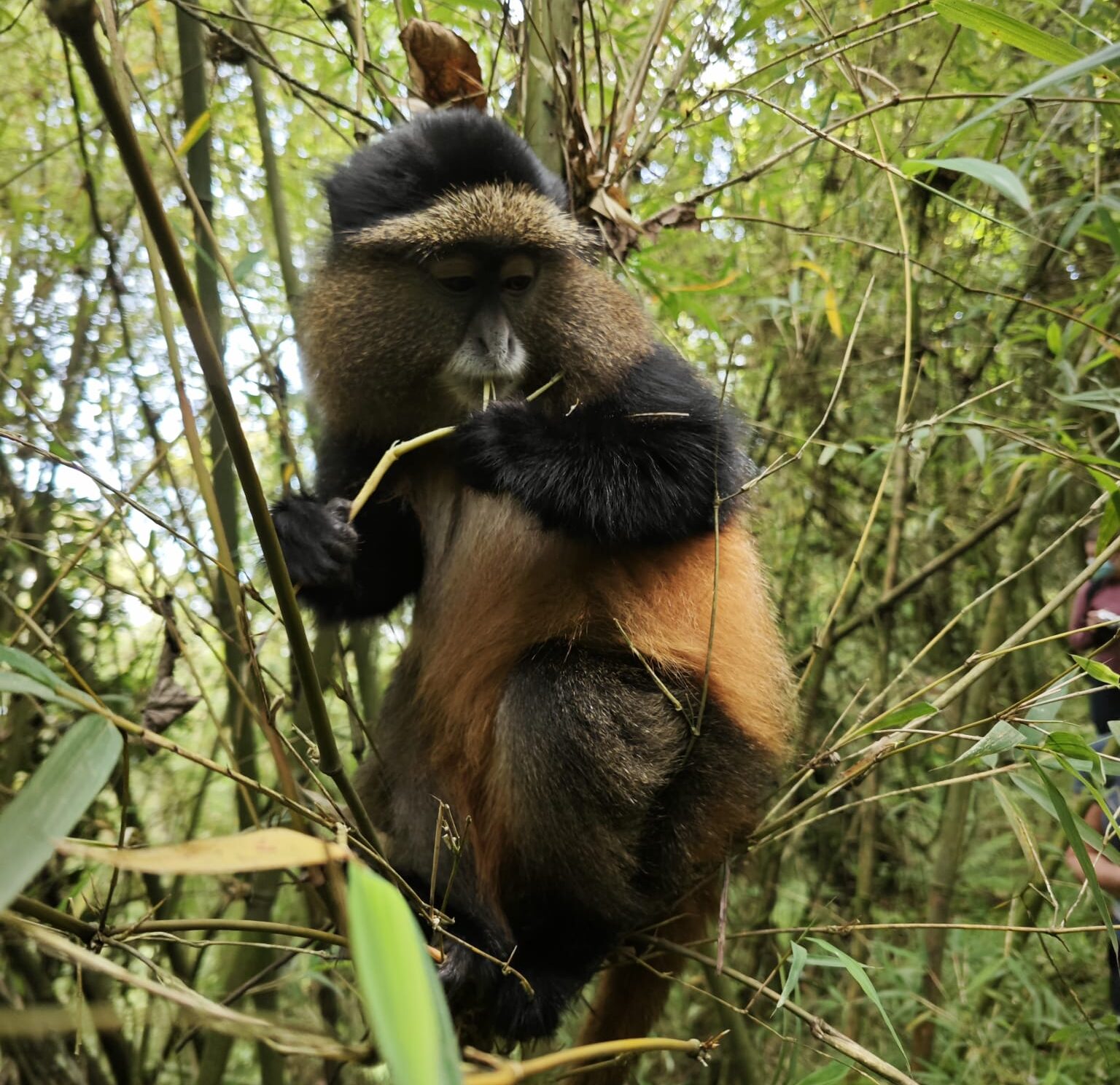
As a result, travelers enjoy a premium and well-managed safari experience.
Book Your Rwanda Gorilla Permit Today
A Rwandan gorilla permit offers a rare opportunity to connect with one of the world’s most endangered species. From trekking through forests to observing gorillas up close, every moment is unforgettable.
In Volcanoes National Park, carefully guided experiences are provided to ensure safety and conservation.
Book your Rwanda gorilla permit today and experience one of Africa’s most extraordinary wildlife adventures.