Rwanda Safari – The Ultimate Guide to Exploring the Land of a Thousand Hills
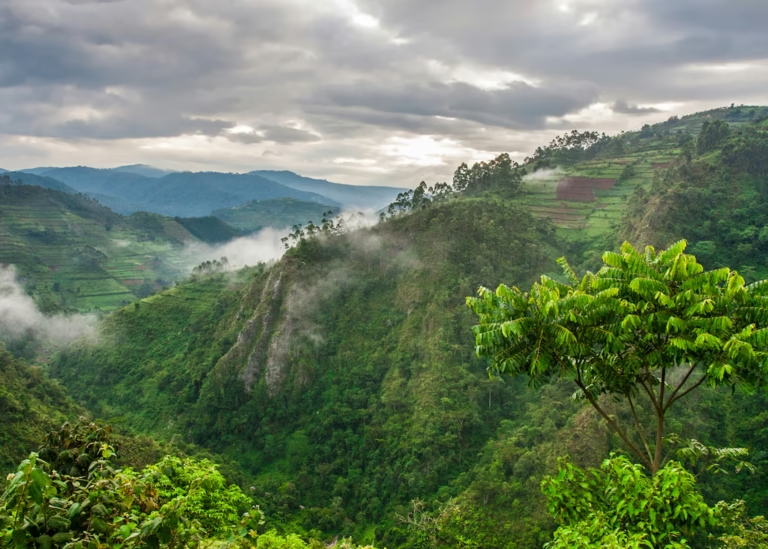
Rwanda safari is often described as one of Africa’s most refined and rewarding travel experiences. When travelers choose a Rwanda safari, they are introduced to breathtaking landscapes, rare wildlife, and well-organized tourism systems.
It should be noted that Rwanda has positioned itself as a premium safari destination. Therefore, every Rwanda safari is carefully managed to ensure comfort, safety, and sustainability.
From mountain gorilla trekking to scenic lakes and savannah wildlife, a Rwanda safari offers a complete and unforgettable journey.
Why Choose a Rwanda Safari
When planning a Rwanda safari, it should be understood that the country offers a unique combination of luxury, conservation, and accessibility. Distances between destinations are short, which allows travelers to explore more within a limited time.
Furthermore, tourism infrastructure has been highly developed. Roads are well maintained, lodges are world-class, and guiding standards are exceptional.
As a result, this safari is often preferred by travelers seeking both comfort and exclusive wildlife experiences.
Gorilla Trekking in Volcanoes National Park
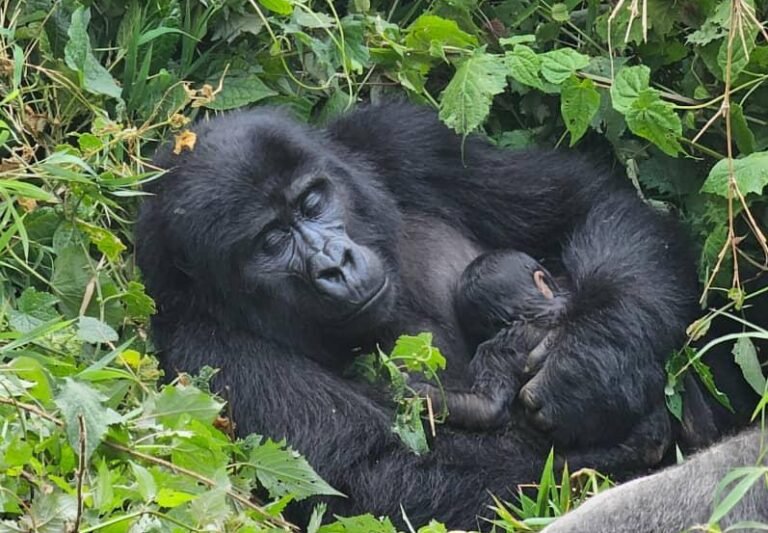
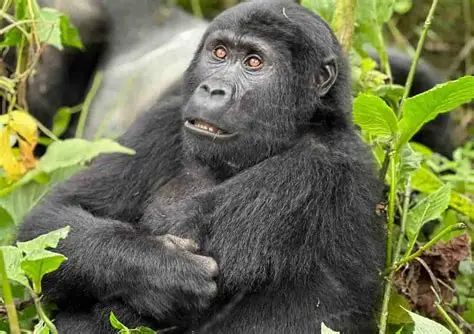
A major highlight of any safari is gorilla trekking in Volcanoes National Park. This park is home to several habituated mountain gorilla families.
Trekking experiences are conducted under strict conservation guidelines. Visitors are guided by trained rangers through bamboo forests and volcanic slopes.
Once gorillas are located, one hour is spent observing their behavior. Activities such as feeding, grooming, and social interaction are witnessed closely.
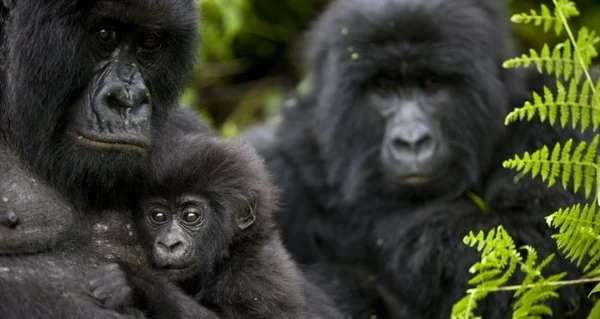
Because permits are limited, early booking is required. Consequently, planning ahead is essential for a successful Rwanda safari.
Wildlife Safaris in Akagera National Park
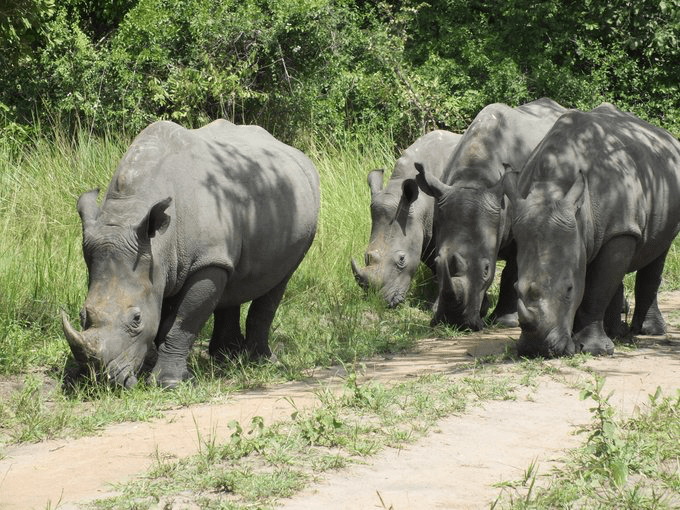
A Rwanda safari is not limited to gorilla trekking. Wildlife safaris are also enjoyed in Akagera National Park.
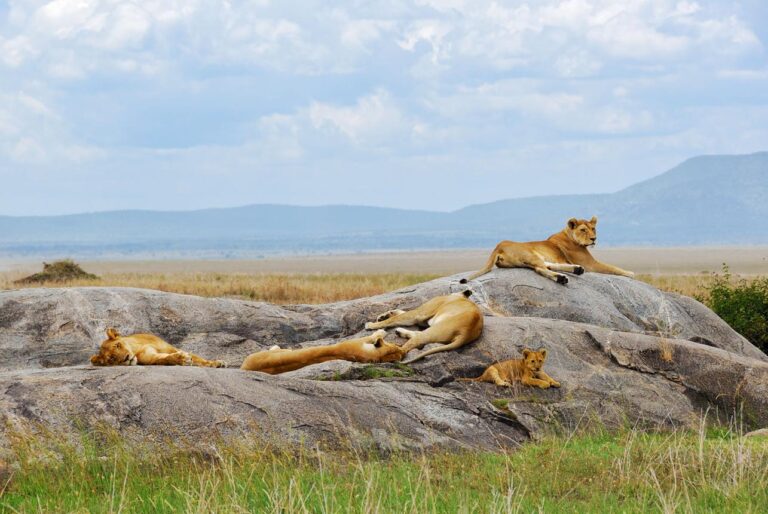
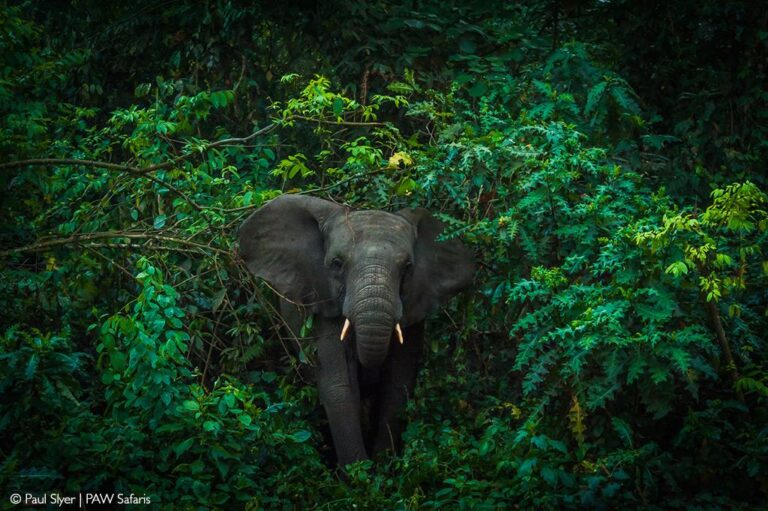
This park offers classic savannah landscapes where animals such as lions, elephants, giraffes, and zebras are observed.
Game drives are conducted across open plains, while boat safaris on Lake Ihema allow sightings of hippos and crocodiles.
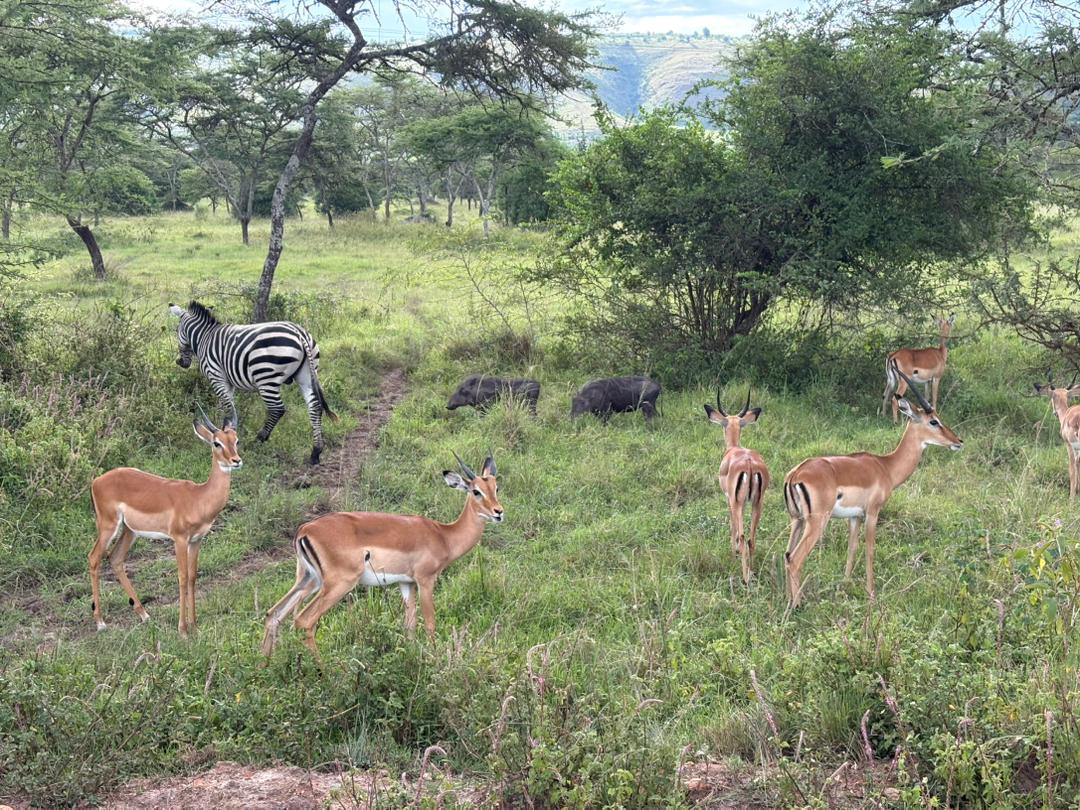
As a result, travelers enjoy both land and water-based wildlife experiences during their safaris.
Chimpanzee Tracking in Nyungwe Forest
Another important part of a Rwanda safari is chimpanzee tracking in Nyungwe Forest National Park.
This ancient rainforest is home to large populations of chimpanzees and other primates. Guided treks are conducted early in the morning.
In addition, canopy walks are offered, allowing visitors to experience the forest from above.
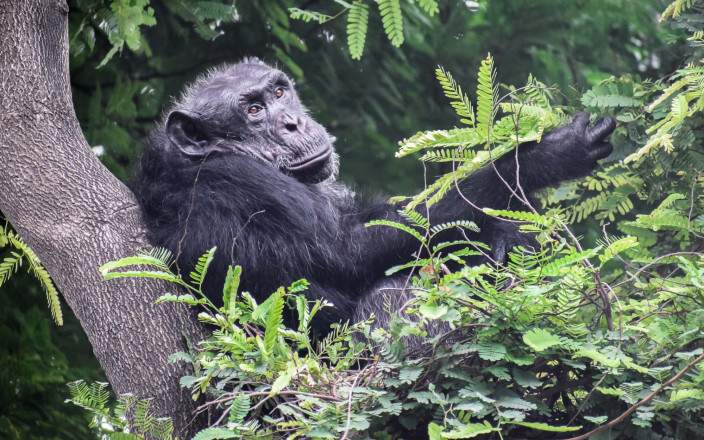
Therefore, this safari provides diverse primate experiences beyond gorilla trekking.
Lake Kivu – Relaxation During Your Rwanda Safari
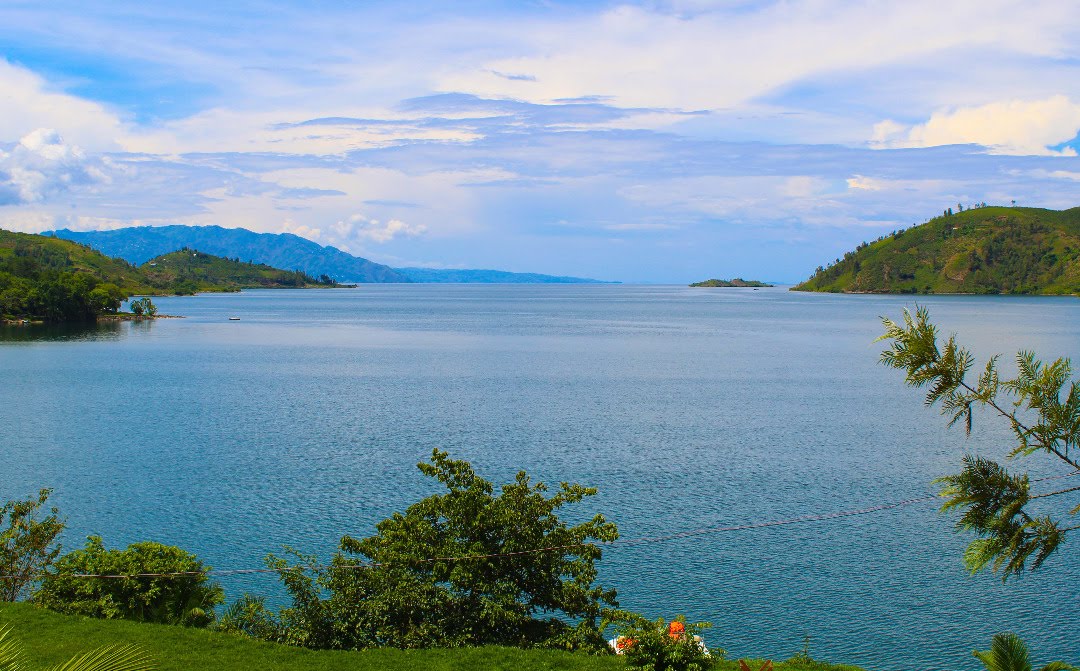
A Rwanda safari is often combined with relaxation at Lake Kivu. This scenic lake offers calm waters and beautiful views.
Activities such as boat rides, swimming, and lakeside relaxation are enjoyed by visitors.
After trekking and wildlife experiences, Lake Kivu provides a peaceful environment to unwind.
As a result, these safaris are balanced with both adventure and relaxation.
Best Time for a Rwanda Safari
The best time for a Rwanda safari is during the dry seasons. These occur from June to September and from December to February.
During this time, trekking trails are easier to navigate, and wildlife viewing conditions are improved.
However, Rwanda can be visited throughout the year. During rainy seasons, landscapes become greener and more scenic.
Therefore, this safari can be planned based on traveler preferences and availability.
Luxury and Accommodation in Rwanda Safari
Rwanda is known for its luxury safari lodges. High-end accommodations are located near major parks and scenic areas.
Lodges near Volcanoes National Park offer premium services, including private guides and exclusive experiences.
Mid-range and budget options are also available across the country.
As a result, this safari can be tailored to different budgets while maintaining quality experiences.
Sustainable Tourism in Rwanda Safari
Sustainability is a key focus in every Rwanda safari. Conservation programs are supported through tourism revenue.
Gorilla trekking permits contribute directly to wildlife protection and community development.
Local communities are involved in tourism activities, which ensures economic benefits are shared.
Therefore, this safari supports both conservation and local livelihoods.
What Makes a Rwanda Safari Unique
A Rwanda safari stands out because of its combination of accessibility, conservation, and luxury. Travelers can experience gorilla trekking, wildlife safaris, and cultural tours within a short period.
Additionally, the country is clean, organized, and safe for tourism.
Because of these advantages, these safari experiences are often described as exclusive and unforgettable.
Plan Your Rwanda Safari Today
This safari offers a rare opportunity to explore Africa’s wildlife and landscapes in a well-managed and luxurious environment.
From gorilla trekking in Volcanoes National Park to wildlife safaris in Akagera National Park, every moment is carefully designed.
Book your Rwanda safari today and discover one of Africa’s most remarkable destinations.